









Optimizing Solar Farm Performance with Advanced Solar SCADA Systems
How Solar SCADA Systems Integrate with Photovoltaic Power Plants
Solar SCADA systems are specialized scada systems designed to handle the operational complexities of solar photovoltaic power plants. These systems follow a multi-tiered architecture encompassing field equipment, communication interfaces, and centralized control platforms.
At the field level, controllers and remote terminal units (RTUs) deploy direct interfaces with critical hardware such as inverters, photovoltaic strings, solar trackers, and safety interlocks. These units process real-time data from sensors measuring irradiance (W/m²), module temperature (°C), voltage, and current outputs, facilitating immediate operational control and fault isolation within the farma słoneczna.
Communication protocols are essential to solar SCADA system functionality. The predominant protocols include Modbus RTU/TCP for device integration and IEC 61850 for high-level data modeling and event-driven communication. Modbus remains standard in smaller or medium-sized plants due to its widespread device compatibility, while IEC 61850—originally from the electric utility industry—enables standardized object-oriented data structures and reduced latency reporting, making it preferable for utility-scale solar plants above 5 MW, such as the 10 MW Solar Plus Garden project.
System architecture scales with plant size and complexity. Utility-scale solar power plants exceeding 1 MW typically require hierarchical SCADA architectures with multiple network layers aggregating data from thousands of sensors and controllers. The Solar Plus Garden 10 MW installation anticipates integration of several thousand monitored parcels, necessitating decentralized local controllers feeding into regional data concentrators and ultimately a central SCADA platform for plant-wide oversight.
Smaller installations below 1 MW generally use simplified SCADA architectures with fewer nodes and direct connections to central systems. Designing a scada system architecture for a solar plant demands careful consideration of network topology, device count, latency tolerance, and expected data throughput to optimize reliability and operational control.
Key Components and Technologies in a Solar SCADA System
Typowy scada system deployed in solar power plants integrates specialized hardware, solar-specific scada software, and alarm systems tuned for renewable energy plant operation.
- Controllers and RTUs: Programmable logic controllers (PLCs) or RTUs interface with inverter strings, tracker actuators, and environmental monitoring units. Industry-standard models such as Schneider Electric Modicon or Siemens S7 PLCs are often used, supporting Modbus or IEC 61850 communication.
- Sensors: Sensor arrays measure key parameters including string voltage (typically 600–1000 V DC), current (up to hundreds of amperes), incident irradiance using pyranometers, ambient and module temperature sensors, and anemometers for wind speed. These data points enable accurate performance tracking and fault diagnostics specific to solar photovoltaic arrays.
- Communication Devices: The site topology dictates communication media, commonly including fiber optic links for backbone connectivity in large solar farms, industrial-grade wireless radios (sub-GHz or 5 GHz bands) for remote field nodes, and cellular LTE/5G modems for redundant data paths or remote maintenance access.
On the software front, scada software platforms like GE Digital iFIX, Siemens WinCC OA, and solar-optimized solutions such as SMA’s Sunny Portal provide integrated control, data visualization, alarm management, and historical logging. These systems tailor process monitoring screens to present solar-specific KPIs including inverter efficiency, string performance ratios, and irradiance-normalized power curves.
Alarm systems configured within solar SCADA platforms enable real-time detection of critical events like inverter faults, string failures, shading impacts, and environmental parameter excursions. Proper tuning of alarm thresholds and event prioritization reduces false positives and minimizes downtime. Field performance data from solar plants between 1 MW and 10 MW confirm alarm reaction times under 30 seconds, supporting rapid response and maintenance dispatch.
Data acquisition parameters in solar SCADA require updating at intervals of 1 to 5 seconds to capture fast-changing conditions such as passing cloud cover that affects energia słoneczna output, ensuring that monitoring and control retain high time-resolution details for operational decisions.
Operational Benefits of Implementing SCADA Systems in Solar Power Plants
Deploying solar scada systems yields concrete operational improvements across elektrownia słoneczna availability, energy production, and compliance transparency.
- Performance Monitoring and Fault Detection: Real-time data acquisition and alarm capabilities facilitate early detection of equipment abnormalities or inefficiencies, such as string underperformance or inverter derate conditions, preventing extended downtime. Studies show early fault detection can halve repair times compared to manual monitoring.
- Optimizing Renewable Power Output: Advanced SCADA analytics adjust inverter reactive power setpoints, fine-tune tracker angles (usually in 0.1º increments), and optimize grid interface parameters like ramp rates as per grid code requirements (e.g., ENTSO-E guidelines), enhancing overall renewable power yield by an estimated 5% to 10%, depending on site conditions.
- Grid Interface Control and Compliance: Modern SCADA systems automate compliance with grid codes governing voltage regulation, reactive power control, frequency support, and fault ride-through capabilities. These controls maintain operational stability during grid events, avoiding costly curtailments and penalties.
- Sustainable Plant Management and Reporting: SCADA-generated datasets underpin reporting to investors and regulators, documenting metrics such as cumulative energy production (MWh), system availability percentages (target >98%), and compliance with environmental standards. In community-backed projects like Solar Plus Garden’s 10 MW solar power plant, this transparency substantiates investor confidence and operational accountability.
Together, these factors reduce operational expenses by enabling predictive maintenance and limiting unplanned outages, thus enhancing financial viability for community and institutional investors alike.
SCADA System Architecture Specifics for Solar PV and Hybrid Renewable Energy Plants
Solar SCADA architectures must adapt to different plant formats, including standalone photovoltaic arrays and hybrid systems combining solar with energy storage or agrivoltaic applications.
In standalone solar pv plants, the SCADA network organizes hierarchical data aggregation at three levels:
- Local controllers managing individual inverter strings and trackers;
- Regional concentrators aggregating data from multiple local controllers;
- Centralized SCADA servers handling plant-wide control, logging, and analytics.
Communication redundancies and failover paths support high availability requirements (>99.5% uptime). Data sampling rates range from 1-10 seconds depending on device criticality.
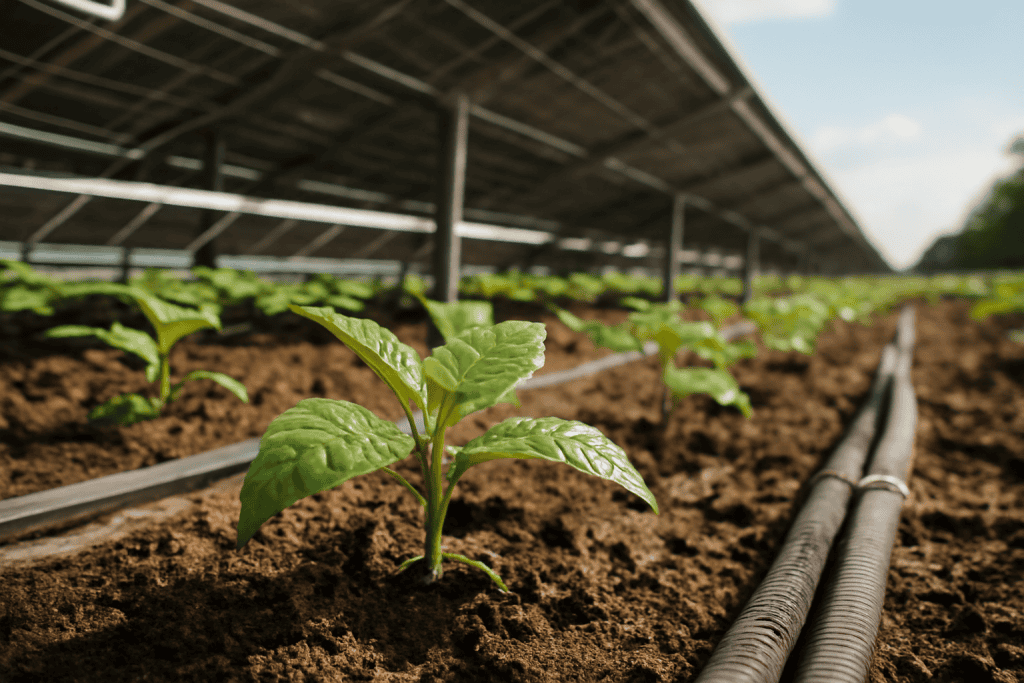
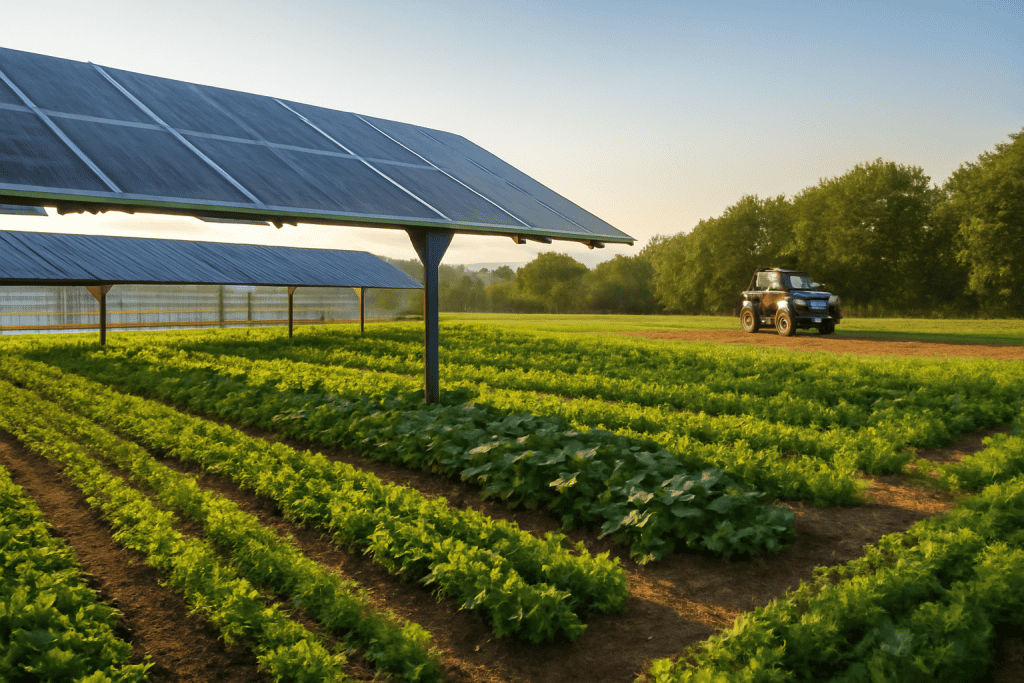
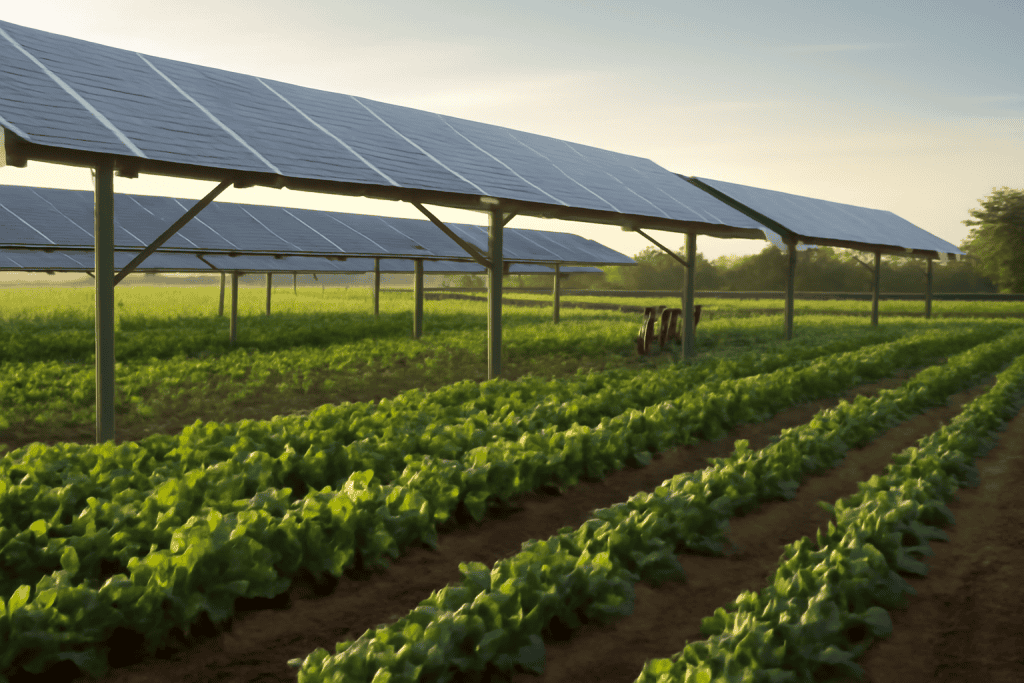
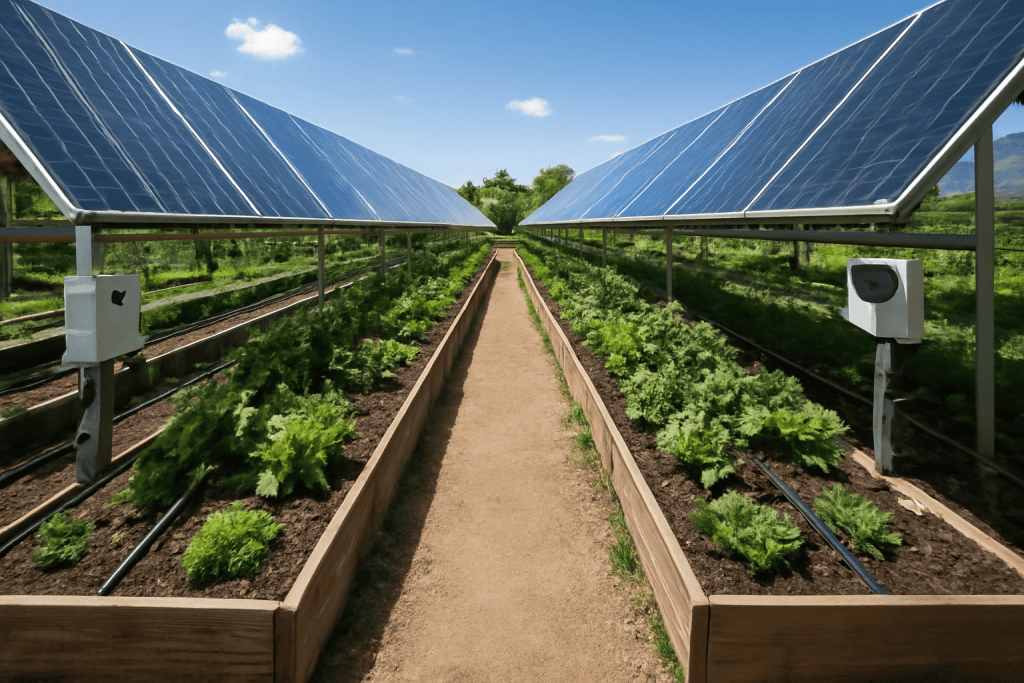
Hybrid renewable installations, such as those integrating battery storage or agrivoltaic cultivation (solar plus agricultural production on the same land), need SCADA solutions that monitor and control additional assets. Hybrid controllers coordinate charging/discharging cycles based on battery state-of-charge (SOC) and grid demand signals while also capturing agronomic sensor data including soil moisture, temperature, and crop growth indicators.
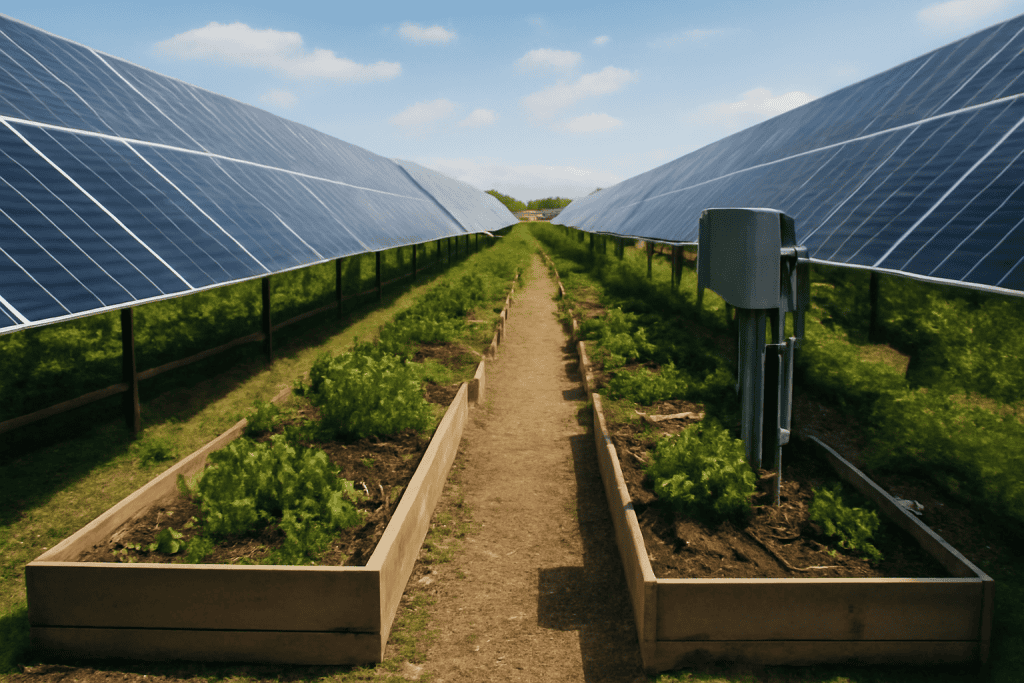
For example, Solar Plus Garden’s integration of up to 3,000 garden parcels layered on solar arrays requires multi-tiered SCADA networks with local controllers communicating aggregated data via fiber optic rings or industrial Ethernet to master SCADA servers. The platform supports parallel monitoring of solar generation and garden environmental conditions, enhancing operational coordination and investor transparency.
The modular and scalable communication backbone employs protocols such as IEC 61850 for power components and MQTT or OPC UA for agrivoltaic sensors, enabling standard integration of heterogeneous devices on a unified scada platform.
Security and Reliability Challenges in Solar SCADA Systems
Operating solar scada systems involves addressing cybersecurity and reliability challenges crucial for uninterrupted solar power plant performance.
- Cybersecurity Risks: SCADA networks for solar plants control essential functions and are susceptible to threats including unauthorized access, ransomware attacks, and data manipulation, which can disrupt plant operations or jeopardize grid stability.
- Mitigation Protocols: Deployment of end-to-end encryption standards such as TLS 1.3 or IPsec secures communications. Multi-factor authentication (MFA) restricts access to control rooms and remote interfaces. Network segmentation isolates SCADA domains from corporate IT networks, reducing attack surfaces. Continuous vulnerability assessments and patch management are institutionalized practices as of 2026.
- Reliability Concerns: Communication interruptions arising from hardware failure, network outages, or environmental interferences lead to control loss and downtime. Redundant communication paths (e.g., dual fiber links or cellular backup) and failover-enabled controllers maintain operational continuity.
- Compliance with Legal and Operational Standards: Solar SCADA platforms adhere to applicable critical infrastructure regulations and sector best practices, including NERC CIP where applicable, and ISO 27001-aligned security frameworks. Regular security audits and incident reporting protocols ensure compliance and operational resilience.
These strategies collectively safeguard plant operations, protect investor assets, and secure grid integration points against emergent risks.
Implementation Steps for Deploying a Solar SCADA System in a Community-Supported Solar Project
Deploying a scada system for solar in a community-backed solar farm requires a phased approach integrating technical and stakeholder considerations.
- Initial Assessment: Detailed evaluation of plant size, configuration, and operational requirements defines SCADA component selection—PLC/RTU models, communication bandwidth, and software capabilities. For a 10 MW solar plant like Solar Plus Garden’s, scalability and modularity guide architectural decisions.
- Phased Installation: SCADA hardware and software systems are installed in stages aligned with plant construction milestones, enabling progressive commissioning of solar array sections. Integration with the Garden membership model occurs concurrently, where membership fees finance operational expenses separated legally from direct investment ownership.
- Testing and Commissioning: Comprehensive functional and integration testing of all devices, communication links, and scada software modules precedes operational handover. End-user training for operators covers alarm management, platform navigation, and emergency procedures.
- Maintenance and Continuous Improvement: Scheduled software updates, hardware inspections, and performance audits enforce ongoing system health. Data-driven insights from SCADA analytics support iterative optimization of plant operations, fault prediction models, and energy yield enhancement strategies.
For a 10 MW solar plant, the complete solar SCADA deployment cycle typically spans 3 to 6 months, balancing operational readiness with thorough system validation and community engagement.
Leveraging SCADA Data Analytics for Community and Investor Engagement
Beyond operational control, solar SCADA systems provide data interfaces essential for transparency and engagement in community-supported models such as Solar Plus Garden.
- Transparent Reporting: SCADA platforms aggregate and process operational data to feed investor and community dashboards with near real-time (updated every 15 to 60 minutes) and historical metrics segmented by plant zones or individual solar parcels.
- Community Access: Through the Garden membership scheme, community members access controlled dashboards displaying energy production, system availability, and sustainability impact data, fostering participatory engagement without requiring direct equity investment.
- Membership Integration: Data from SCADA underpin the financial flow model, where membership fees support solar plant operations and fund associated garden activities. This creates a transparent linkage between renewable power generation and local community benefits.
- Dashboard Features and KPIs: Key performance indicators presented include energy yield per parcel (kWh), system availability percentages (% uptime), inverter performance ratios (% of nominal capacity), and environmental sensor data such as irradiance and temperature, enabling data-driven decisions by investors and community members.
This data-centric approach builds investor confidence, promotes operational transparency, and ensures active community involvement critical to the sustainability of hybrid solar-agri projects.
Często zadawane pytania
What are the essential components required for a Solar SCADA System in a 10 MW plant?
Essential components include PLC or RTU controllers compatible with Modbus or IEC 61850, a robust communication network incorporating fiber optics or industrial wireless links, scada software optimized for solar photovoltaic operations, sensor arrays monitoring electrical and environmental parameters, and alarm systems capable of detecting faults with sub-minute latency. Together, these components enable comprehensive real-time monitoring and control of the solar power plant.
How does a Solar SCADA System improve the operational efficiency of a solar farm?
Solar SCADA systems enable continuous performance tracking and prompt fault detection, resulting in rapid intervention that decreases unplanned downtime. They support optimization of inverter setpoints, tracker alignment, and grid interface parameters to maximize renewable power output. Additionally, they facilitate predictive maintenance scheduling and ensure regulatory compliance, collectively enhancing operational efficiency.
What cybersecurity measures are recommended for protecting solar SCADA Systems?
Recommended cybersecurity practices include implementing encrypted communication protocols such as TLS 1.3 or IPsec, enforcing multi-factor authentication for operator access, segregating SCADA networks from corporate IT systems through firewalls and VLANs, conducting regular vulnerability assessments and penetration testing, and complying with critical infrastructure security frameworks like ISO 27001 and relevant national regulations.
Can non-investor community members access SCADA system data within Solar Plus Garden’s model?
Community members pay a Członkostwo w ogrodzie fee granting controlled access to operational insights generated by the solar SCADA system. This structure allows participation in monitoring plant performance and sustainability impacts without direct solar power plant investment, fostering inclusivity within the community backing model.
Wniosek
Implementing a well-structured Solar SCADA System is critical for operators and investors in solar photovoltaic plants, especially within community-backed projects such as Solar Plus Garden’s 10 MW solar power plant. These systems enable enhanced solar power generation, reduce operational risks including downtime and cybersecurity threats, and deliver granular operational transparency that supports investor confidence and community engagement. Future developments in scalable, secure, and integrated SCADA architectures will further refine efficient management and sustainable scaling of solar farms. Continued alignment with evolving technology standards and regulatory requirements remains essential for long-term success.