









Comprehensive Strategies for Managing Solar Waste Responsibly and Sustainably
Current Landscape and Challenges of Solar Waste Management
Solar waste is projected to increase significantly as solar panel installations expand worldwide. The International Energy Agency (IEA) estimates that by 2030, solar panel waste will reach approximately 3 million metric tons annually, driven mainly by panels installed between 2010 and 2015 approaching their 25-30 year operational lifespan. This volume will accelerate further by 2050, with emerging markets in Asia and Africa contributing a growing share due to rapid deployment of fotowoltaiczny (PV) systems.
Solar panels contain hazardous components that require careful disposal. Cadmium telluride (CdTe), present in many thin-film modules, is classified as toxic and carcinogenic. Lead, typically used in solder joints and certain glass layers, poses risks of soil and groundwater contamination if panels degrade or are improperly discarded. Damaged or broken panels can release toxic leachate, which bioaccumulates in local flora and fauna, impacting environmental health.
Regulatory frameworks have been implemented to address these risks. The European Union’s Waste Electrical and Electronic Equipment (WEEE) Directive (Directive 2012/19/EU) mandates that producers and distributors finance and organize the collection, treatment, and recycling of solar panel waste. Compliance requires registered producers to ensure end-of-life panel management meets designated environmental and safety standards. Similar regulations exist or are developing in jurisdictions such as the United States under the Resource Conservation and Recovery Act (RCRA) and in Japan under the Home Appliance Recycling Law, each establishing hazardous waste handling and reporting requirements specific to solar waste.
Solar Panel Recycling Technologies and Their Effectiveness
Solar panel recycling utilizes mechanical, thermal, and chemical processes designed to recover valuable materials while managing hazardous waste components.
- Mechanical recycling involves disassembling panels using cutting, crushing, and sieving to separate glass (approximately 75% of panel weight), aluminum frames, and silicon wafers. Advanced mechanical facilities can recover over 90% of glass and 85% of aluminum with energy consumption under 100 kWh per ton of solar waste.
- Thermal recycling heats panels to temperatures between 500 °C and 600 °C to remove polymer encapsulants and adhesives, facilitating silicon cell extraction. Thermal processes may emit volatile organic compounds (VOCs) that require filtration systems compliant with local air quality regulations.
- Chemical recycling uses acidic or solvent baths (e.g., hydrofluoric acid or organic solvents) to dissolve glass and separate silicon wafers and precious metals. This method achieves silicon purity levels above 99.9% and recovers silver at rates exceeding 85%. However, chemical recycling must adhere to hazardous waste disposal rules under standards like the EU’s CLP Regulation (Regulation (EC) No 1272/2008) and requires closed-loop containment to prevent environmental release of solvents and heavy metals.
Emerging full-service solar panel recycling facilities integrate automated sorting technologies such as near-infrared (NIR) spectroscopy to identify panel types and hazardous content prior to processing. These facilities implement decontamination steps to capture cadmium vapors from CdTe panels and use recovered silicon and metals in new PV manufacturing, thereby closing material loops and reducing resource extraction. Key operational components include certified hazardous waste collection and transport compliant with the Basel Convention on the Control of Transboundary Movements of Hazardous Wastes.
Community-Based Solar Waste Collection and Management Programs
Community solar waste pickup and management services offer scalable and practical solutions to collect and recycle solar panels, particularly benefiting residential and small commercial solar system owners. These programs coordinate with licensed hazardous waste carriers and recycling partners to streamline collection.
Typical models involve enrolling members via a one-time członkostwo w społeczności fee, for example €200, granting access to scheduled solar waste pickup services. An optional recurring fee, such as €20 per month, may cover operational costs including transportation, processing fees, and community engagement activities funded through solar energy revenues. These systems ensure collected fees are placed into escrow accounts dedicated exclusively to solar waste management to maintain financial transparency and prevent resource diversion.
Community programs select partners rigorously based on compliance certifications such as ISO 14001 for environmental management, local hazardous waste permits, and documented experience handling solar panel waste streams. Partner audits verify adherence to regulatory protocols and technical capacity to manage toxic substances like cadmium and lead safely.
The approach reduces improper disposal into municipal landfills, decreases environmental contamination, and fosters public awareness of sustainable solar waste handling practices. By integrating solar waste pickup into existing municipal or private waste infrastructure, logistical efficiencies are achieved, lowering the per-unit cost of solar waste management services.
Hazardous Waste Handling and Compliance in Solar Waste Disposal
Solar panel waste is classified as hazardous under numerous jurisdictional frameworks due to toxic components such as cadmium, lead, and selenium. Compliance with waste management laws—such as the EU WEEE Directive and the U.S. RCRA—is mandatory for all solar waste producers, transporters, and recyclers.
Authorized hazardous waste facilities must employ containment systems including lined storage cells and leachate collection to prevent soil and groundwater contamination. Treatment processes typically involve chemical neutralization, encapsulation, or thermal destruction of toxic elements. Where recycling is unavailable, disposal in secure landfills compliant with standards like the Landfill Directive (1999/31/EC) or state-specific landfill regulations is required.
Non-compliance can result in regulatory penalties including fines up to several hundred thousand euros or dollars, suspension of operational licenses, and mandatory corrective environmental remediation, leading to substantial business liabilities and reputational loss.
Protocols for safe hazardous waste handling include certified personnel training, secure packaging of solar panels prior to transport, mandatory documentation of waste origin and chain of custody, and regular reporting to environmental authorities. Homeowners must use licensed solar waste pickup services rather than discarding solar panels into residential trash, as improper disposal risks human and ecological exposure to toxic substances.
Integrating Solar Waste Management into Investment Models and Community Projects
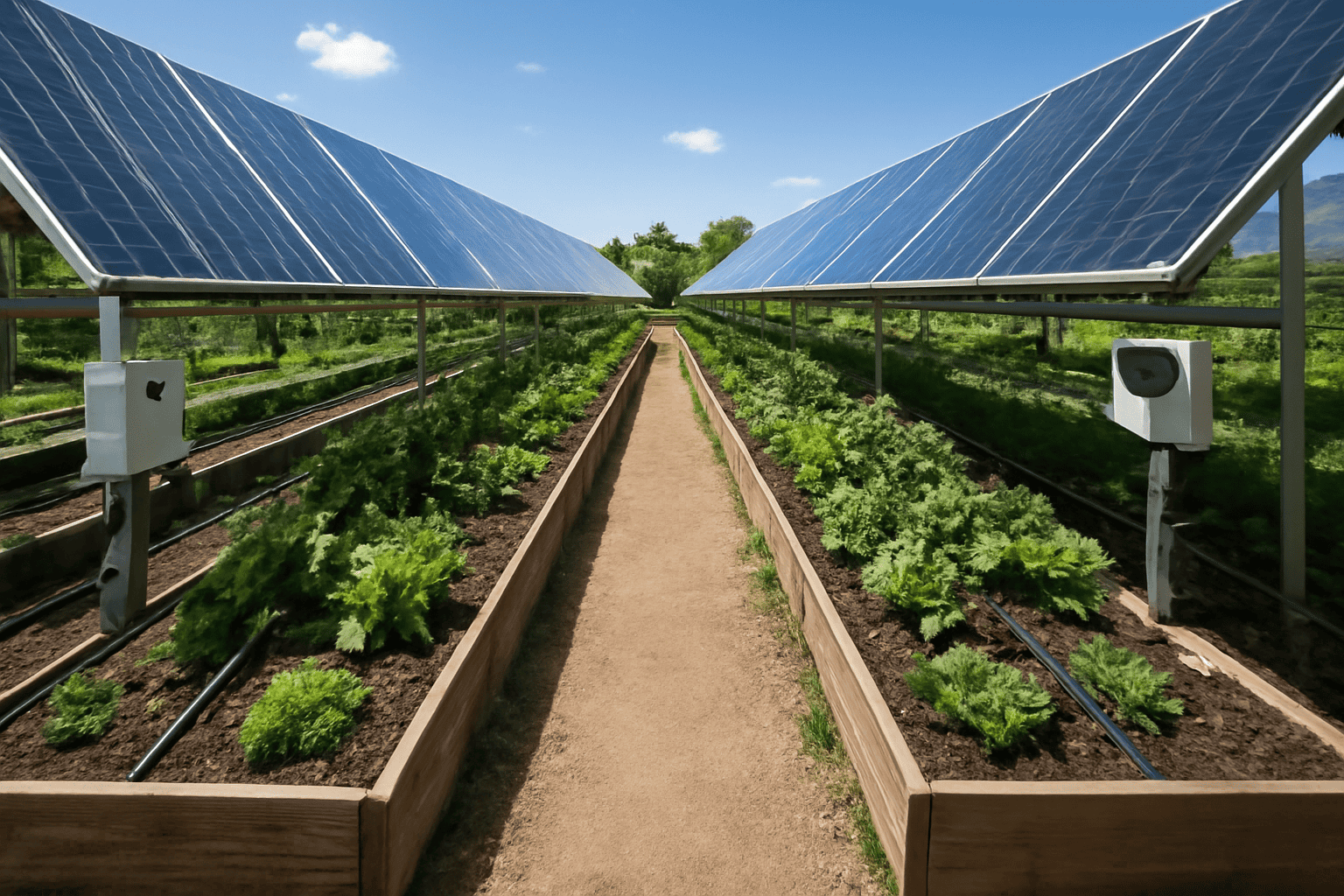
Solar Plus Garden combines a 10 MW solar plant investment with a community membership model to finance sustainable solar waste services alongside ancillary community activities such as local food gardens. The project’s legal structure separates the Estonian-based solar plant owner (Solar Plus Garden OÜ) from a distinct entity managing membership and community engagement, ensuring clear governance and fund allocation.
Solar revenue streams finance both operational costs of the PV plant and community solar waste management initiatives. Membership fees for the “Garden” community access, starting with a €200 one-time payment plus optional monthly contributions of €20 for garden boxes, are held in escrow accounts monitored independently to ensure strict financial compliance and transparency.
The model’s design supports phased scalability. Initial community sizes and solar capacity serve as proofs of concept, optimizing operational protocols before expansion to larger regional projects integrating a broader investor base and increased solar waste volumes. This approach appeals to investors prioritizing combined financial returns and verified environmental and social impact, aligning with industry best practices for sustainable renewable energy investment.
Environmental and Economic Benefits of Responsible Solar Waste Management
Comprehensive solar waste recycling diverts up to 95% of panel materials from landfills, substantially reducing pressures on municipal waste infrastructure and extending landfill site lifespans. For example, recovering approximately 75% of glass and 85% of aluminum parts from panels reduces construction and mining impacts associated with virgin raw material extraction.
Responsible disposal protocols limit emissions of toxic substances, with containment strategies preventing cadmium and lead from leaching into soil or water sources. This curbs bioaccumulation risks in local ecosystems, contributing to cleaner environments and enhanced public health protection.
Economically, recycled materials such as high-purity silicon and recovered silver reduce demand for raw resource extraction industries, lowering upstream carbon footprints. Avoiding regulatory fines and ensuring compliance contributes to stable business operations and investor confidence.
Maintaining recognized sustainability standards through responsible solar waste handling helps facilitate regulatory permitting for new projects, supports community acceptance, and enhances brand reputation for businesses operating in renewable energy sectors.
Frequently Asked Questions About Solar Waste Management
What are the main hazardous materials found in solar panel waste and how are they safely handled?
Key hazardous substances include cadmium telluride (CdTe) in thin-film panels and lead solder in crystalline silicon modules. Safe handling involves transportation to licensed recycling facilities with hazardous waste permits, use of sealed containment during processing, and adherence to environmental regulations such as the EU WEEE Directive or U.S. RCRA standards.
Can homeowners use regular residential trash collection services for disposing solar panels?
No. Due to hazardous components and valuable materials, solar panels require collection through specialized solar waste pickup services partnered with licensed hazardous waste handlers. Residential trash disposal is illegal and environmentally unsafe.
How does solar panel recycling contribute to environmental sustainability?
Recycling recovers materials including silicon, silver, glass, and aluminum, reducing landfill volume and preventing toxic leachate generation. It decreases reliance on virgin resource extraction and supports closed-loop manufacturing of renewable energy technologies.
What role do investment platforms like Solar Plus Garden play in solar waste management?
Solar Plus Garden integrates solar energy investment with community membership fees to fund full-service solar waste collection, recycling, and community engagement. This model ensures transparent allocation of funds and scalable service provision.
Wniosek
Effective solar waste management relies on adherence to hazardous waste regulations, engagement with certified full-service recycling partners, and structured financial models that transparently fund collection and disposal operations. Community-based frameworks such as Solar Plus Garden illustrate scalable models embedding solar waste management within renewable energy investment and social engagement. Property owners, investors, and businesses should prioritize selecting compliant partners, maintain thorough waste documentation, and avoid residential trash disposal to mitigate toxic environmental impacts. Monitoring evolving regulatory standards and leveraging advancing recycling technologies will remain essential to managing solar waste sustainably over the coming decades, ensuring both environmental protection and economic viability within the renewable energy sector.