










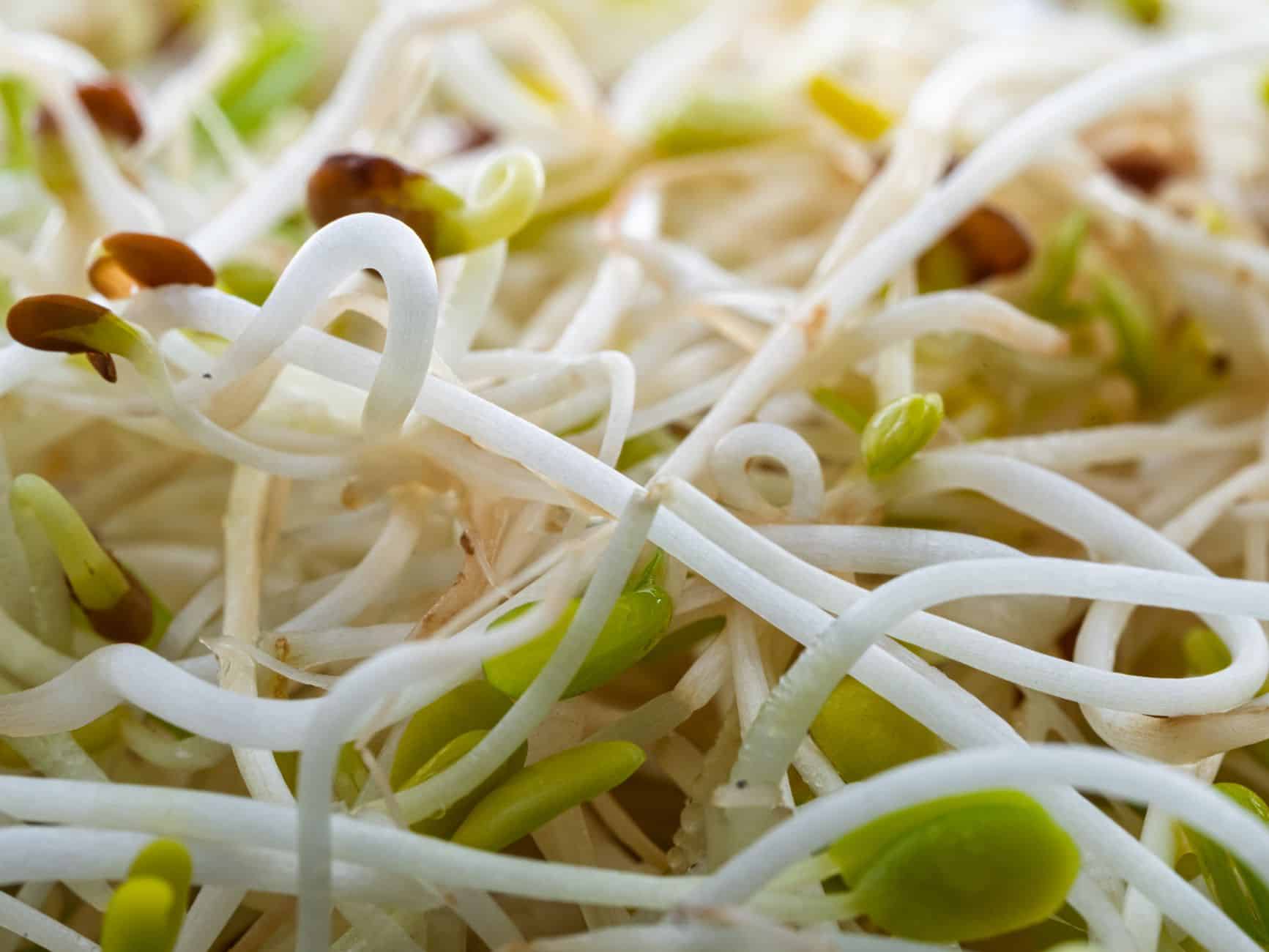
How to Grow and Enjoy Organic Mung Bean Sprouts Safely and Sustainably
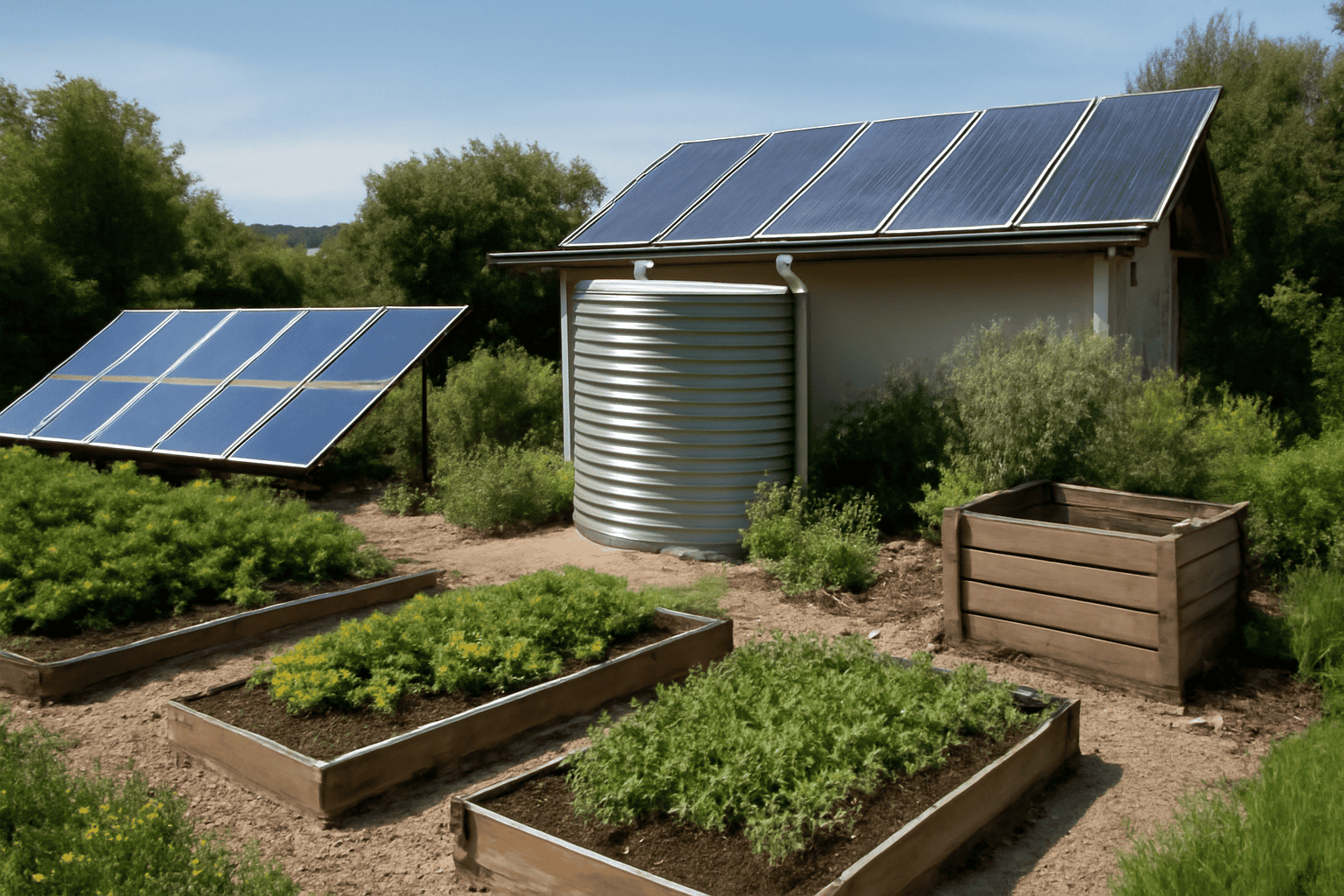
Understanding Organic Mung Bean Sprouts and Their Nutritional Profile
Organic mung bean sprouts are the early shoots produced by sprouting organically cultivated mung beans, a legume originating in South and Southeast Asia. These sprouts develop through a controlled process where mung beans, certified as organic under regulations like EU Organic Regulation 2018/848, are hydrated and germinated to produce a fresh, crisp vegetable consumed raw or cooked globally. Organic mung beans are grown without synthetic pesticides, herbicides, or chemical fertilizers, adhering to standards that exclude harmful agrochemicals and genetically modified organisms (GMOs).
In terms of nutrition, organic mung bean sprouts provide approximately 3.0 to 3.5 grams of plant-based protein per 100 grams, contributing to muscle repair and enzymatic functions. Vitamin C content ranges between 30 and 40 milligrams per 100 grams, supporting antioxidant defenses and immune health. These sprouts further supply dietary fiber, approximately 1.5 to 2 grams per 100 grams, B-complex vitamins including folate and niacin, and essential minerals like iron (0.9–1.2 mg/100 g) and potassium (160–200 mg/100 g), necessary for red blood cell formation and electrolyte balance respectively.
The organic mung bean sprouting process benefits from the absence of residual agrochemicals, which can inhibit sprout germination or introduce contaminants affecting food safety. Certification schemes mandate traceability throughout the supply chain, ensuring the seeds for sprouted mung are free from prohibited substances. This reduces risks of microbiological and toxicological hazards in sprouted mung while enhancing germination uniformity and sprout vitality.
Selecting Quality Organic Mung Bean Sprouting Seeds for Optimal Yield
The success of organic mung bean sprouting depends heavily on sourcing high-quality organic mung bean sprouting seeds certified under rigorous standards such as the EU Organic Regulation 2018/848 or USDA Organic when relevant. These seeds undergo production and handling controls to prevent contamination by prohibited substances and genetically modified material.
When selecting organic mung bean sprouting seeds, the following seed characteristics are critical for optimizing sprout yield and uniformity:
- Seed Moisture Content: Seeds should have moisture levels below 13%, measured using standard gravimetric moisture analyzers, to inhibit fungal growth during storage and support high germination rates.
- Seed Viability and Freshness: Germination rates above 90% are preferred, with seed batches tested using the ISTA (International Seed Testing Association) protocols to ensure performance. Seeds older than 12 months may display reduced vigor and uneven sprouting.
- Seed Uniformity: Particle size analysis should confirm consistent seed dimensions, typically ranging between 3.5 to 5 mm in diameter, to facilitate even soaking kinetics and sprout development.
Seed certification and lab testing minimize microbial contamination and chemical residues, essential for ready-to-eat sprouted mung beans. Verification by accredited laboratories and compliance with organic sprout production guidelines contribute to food safety and product integrity.
Step-by-Step Process to Grow Organic Mung Bean Sprouts at Home or Commercially
The process to grow organic mung bean sprouts systematically spans 4 to 6 days and requires controlled environmental conditions and hygiene standards. The initial step involves soaking organic mung bean sprouting seeds in potable water for 8 to 12 hours at temperatures between 18°C and 22°C to initiate imbibition and enzymatic activation.
Recommended Equipment by Scale:
- Home scale: Glass jars fitted with breathable mesh lids that allow oxygen exchange but prevent contamination.
- Medium scale: Sprouting trays equipped with drainage holes and stacked racks to maximize airflow and hygiene.
- Commercial scale: Automated sprouting systems featuring programmable irrigations cycles (e.g., timed misting every 4 hours), environment-controlled chambers maintaining 20–25°C, and UV-C sanitation modules to reduce microbial loads.
Detailed Sprouting Procedure:
- Soaking: Suspend the organic sprouting seed in clean potable water for 8–12 hours to break dormancy.
- Drain and Rinse: Drain the soak water completely. Rinse the seeds with fresh potable water 2 to 3 times daily, ensuring excess water is removed to prevent anaerobic conditions that favor pathogen growth.
- Environmental Control: Maintain darkness or low-light exposure and ambient temperature strictly between 20°C and 25°C, ensuring relative humidity between 60% and 70% to promote optimum sprout elongation without fungal development.
- Harvesting: Monitor sprout length daily; harvest when sprouts reach 4 to 6 cm after approximately 4 to 6 days. Post-harvest, rinse thoroughly in potable water and dry using approved food-grade centrifugal dryers or mesh conveyors to reduce surface moisture.
Consistent adherence to soak times, rinse schedules, and environmental parameters ensures reproducible growth of healthy, ready-to-eat organic mung bean sprouts suitable for fresh consumption or commercial packaging.
Food Safety Practices to Prevent Contamination in Organic Mung Bean Sprouting
Food safety in organic mung bean sprouting is essential because sprouts grown in moist, warm environments can facilitate growth of pathogens such as Salmonella enterica I Escherichia coli O157:H7. These bacteria pose significant risks if sprouts are consumed raw without prior cooking.
Key food safety controls implemented in organic mung bean sprouting include:
- Sanitization Protocols: All sprouting materials (jars, trays, sprouters) must be sanitized before use with hot water exceeding 80°C and organic-approved sanitizers such as peracetic acid at concentrations below 80 ppm, in compliance with organic standards.
- Use of Potable Water: Water quality for soaking and rinsing should meet microbiological standards including less than 100 colony-forming units (CFU) per milliliter total aerobic bacteria and absence of E. coli and Salmonella, verified by accredited testing laboratories.
- Temperature Monitoring: Maintain sprouting temperatures within 20°C to 25°C with calibrated thermometers. Avoid temperatures above 25°C to prevent proliferation of foodborne pathogens.
- Rinse Frequency: Conduct 2 to 3 rinses per 24-hour period, using fresh potable water, to physically remove biofilms, metabolic waste, and microbial contaminants.
- Chemical Restrictions: Organic mung bean sprouting excludes synthetic chemical sanitizers and fungicides; microbiological safety relies on rigorous physical hygiene, environmental controls, and seed quality.
Following these protocols reduces the risk of contamination during organic mung bean sprouting, ensuring that sprouted mung remains safe for raw food applications.
Packaging and Storage Guidelines for Maintaining the Freshness of Organic Mung Bean Sprouts
Proper post-harvest handling is crucial to preserve the quality and safety of organic mung bean sprouts. Packaging and storage conditions directly influence the shelf life, texture, and microbial stability of the product.
Recommended storage parameters include:
- Temperature: Store organic mung bean sprouts refrigerated between 1°C and 4°C, conditions that limit microbial growth and enzymatic degradation, extending usable shelf life to approximately 7 days.
- Packaging Materials: Use breathable packaging such as perforated polyethylene film or food-grade mesh bags that enable gas exchange, preventing accumulation of moisture that would otherwise promote spoilage and mold.
- Moisture Control: Ensure sprouts are thoroughly rinsed and drained prior to packaging. Use moisture-absorbing inserts where appropriate to maintain relative humidity around 90%, avoiding condensation inside packages.
Adhering to these packaging and storage guidelines supports delivery of high-quality, ready-to-eat organic mung bean sprouts to consumers while minimizing product losses and maintaining nutritional integrity.
Benefits of Organic Mung Bean Sprouts for Sustainable and Regenerative Food Systems
Organic mung bean sprouts advance sustainable nutrition by providing protein-rich, low environmental-impact food. The water footprint associated with mung bean production is approximately 250 to 300 liters per kilogram of dry seed, significantly below the average for legumes such as soybeans or chickpeas, which typically exceed 1000 liters per kilogram.
Solar Plus Garden enhances sustainability via agrivoltaic integration that co-locates organic agriculture with solar fotowoltaiczny generation, optimizing land use. This model reduces carbon emissions associated with food transport by facilitating local production and distribution of organic mung bean sprouts and other vegetables, thereby strengthening regional food sovereignty.
Organic mung cultivation promotes soil health through nitrogen fixation facilitated by Rhizobium bacteria, increasing soil organic matter and supporting biodiversity. Eliminating synthetic fertilizers and pesticides prevents soil and water contamination, contributing to ecosystem resilience aligned with regenerative agricultural principles.
How Solar Plus Garden Supports Organic Mung Bean Sprout Community Members
Solar Plus Garden's Członkostwo w ogrodzie model offers structured community access to organically grown mung bean sprouts and complementary produce through a transparent, legally defined framework. Membership requires a one-time fee of €200, which is invested in a 10 MW solar energy project operated by the associated Estonian OÜ entity.
Community operations are financed by solar project revenues, enabling subsidization of garden activities and sustainability initiatives. Members may add an optional Skrzynia ogrodowa subscription at €20 per month, delivering 18 seasonal shipments of fresh organic products that regularly include organically sprouted mung bean sprouts.
This approach integrates renewable energy investment with local agrivoltaic food production, providing members with dual benefits: participation in a regulated clean energy asset and receipt of high-quality organic produce cultivated within a community-supported agricultural system.
Często zadawane pytania
Can I use regular mung beans instead of organic for sprouting?
Regular mung beans generally lack certification for organic sprouting seed use and may contain pesticide residues or higher microbial loads, increasing food safety risks when consumed raw. Certified organic mung bean sprouting seeds ensure compliance with organic standards and safer ready-to-eat sprouts.
How long does it take for organic mung bean sprouts to be ready to eat?
Under controlled conditions—soaking for 8 to 12 hours followed by 4 to 6 days of sprouting at 20°C to 25°C—organic mung bean sprouts reach a harvestable size between 4 and 6 cm, making them ready to eat within this timeframe.
What are the best storage practices to keep mung bean sprouts fresh after harvesting?
Store sprouts in breathable packaging at refrigeration temperatures between 1°C and 4°C with controlled humidity to maintain freshness and prevent spoilage for up to 7 days.
How does Solar Plus Garden integrate organic mung bean sprouting into its community model?
Solar Plus Garden leverages revenues from its solar installations to fund organic garden operations, allowing community members access to locally produced organic mung bean sprouts through paid membership and optional subscription Garden boxes, combining renewable energy investment with fresh food access.
Wniosek
Organic mung bean sprouts present a nutritionally balanced, low-impact food suited for both home cultivation and commercial production within organized community frameworks such as Solar Plus Garden. Starting with certified organic mung bean sprouting seeds and complying with documented food safety protocols minimizes contamination risks and optimizes sprout quality. The integration of renewable energy investment with local organic food production fosters resilience, sustainability, and access to fresh, ready-to-eat organic produce. Ongoing adjustments to certification criteria and food safety regulations may further refine best practices in coming years, but current methods align effectively with nutritional, ecological, and safety objectives.