










Complete Guide to Growing and Using Organic Alfalfa Sprouts Safely and Effectively
Understanding Organic Alfalfa Seeds and Their Quality Standards
Organic alfalfa sprouting seeds are sourced and cultivated under controlled conditions that exclude synthetic pesticides, herbicides, chemical fertilizers, and genetically modified organisms (GMOs). Certification under the EU Organic Regulation 2018/848 requires compliance with protocols governing every stage: from seed origin verification, production site inspections, to post-harvest handling and storage. This regulation sets limits for pesticide residues on seeds to below detectable thresholds, mandates traceability from farm to market, and prohibits chemical seed treatments.
The hull of each alfalfa seed protects the internal embryo from physical damage and microbial contamination but must remain permeable to water and oxygen to support sprouting. Integrity of the hull is verified during quality control processes, with seeds exhibiting cracks or discoloration rejected to prevent poor germination and contamination risks. Germination testing, performed according to ISTA (International Seed Testing Association) protocols, quantifies embryo viability by calculating the percentage of seeds producing normal sprouts under standardized conditions—high-quality organic alfalfa sprouting seed typically achieves germination rates above 85%.
In Serbia, organic certification aligns with EU standards and is monitored by accredited certifying bodies, which perform annual audits and sampling to maintain compliance. Organic alfalfa sprouting seeds meeting these standards enable growers to produce sprouts that satisfy consumer safety expectations and legal requirements for organic food labeling.
Step-by-Step Process for Sprouting Organic Alfalfa Seeds at Home
The alfalfa sprouting sequence involves controlled hydration and aeration phases to optimize nutrient activation and minimize pathogen growth:
- Soak: Measure approximately 20 grams (about 2 tablespoons) of organic alfalfa sprouting seeds and place them in a sterile jar or sprouter. Cover seeds with at least three times their volume of filtered, chlorinated-free water. Soak for 6 to 8 hours at room temperature (18–22°C). This phase activates seed metabolism and hydrates the hull to allow sprout emergence.
- Drain and Rinse: After soaking, drain the water completely using a mesh lid or fine sieve. Rinse seeds with fresh filtered water, agitating gently to remove seed coat debris and reduce microbial load. Repeat rinsing and draining at least twice daily, morning and evening, for 4 to 6 days. Maintain the jar in indirect natural light or low artificial light to stimulate chlorophyll development, resulting in green alfalfa sprouts.
- Temperature and Airflow: Keep the sprouting environment between 18 and 22°C with sufficient airflow to prevent condensation that promotes bacterial growth. Avoid direct sunlight which can overheat the sprouts or promote uneven drying.
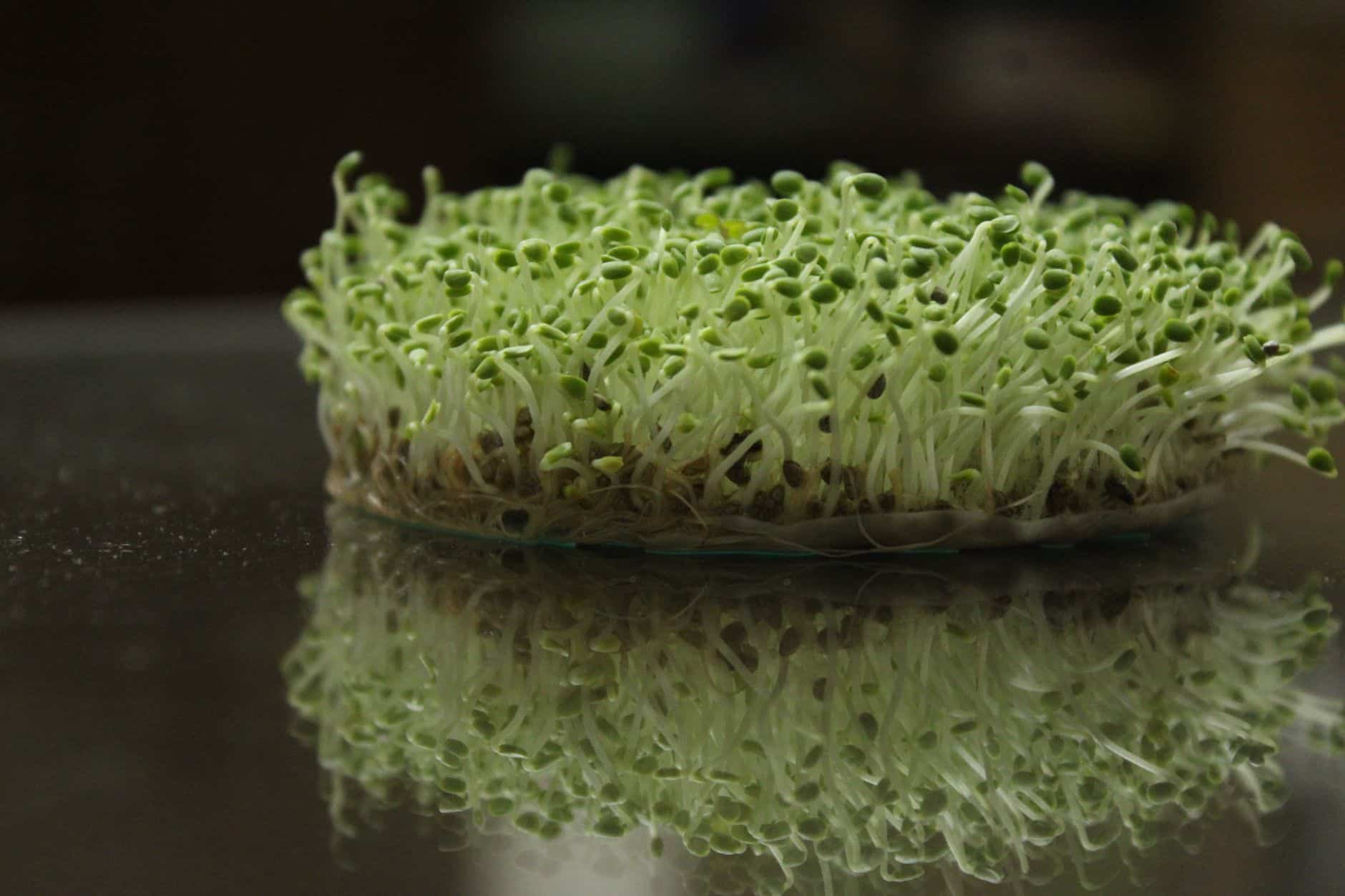
- Harvest: When sprouts reach 2 to 3 centimeters with fully opened green cotyledons and slender stems (usually days 4 to 6), harvest by transferring sprouts directly into a colander. Rinse thoroughly to remove seed hulls, which naturally detach. Avoid longer sprouting periods as it can lead to lignification and bitterness.
- Dry and Store: Spread harvested sprouts on paper towels or in a salad spinner to remove excess moisture. Store refrigerated at 4–5°C in breathable containers with perforations for airflow and consume within 3 to 5 days to preserve crispness, green coloration, and maximum nutrient retention.
Nutritional Profile and Health Benefits of Organic Alfalfa Sprouts
Organic alfalfa sprouts offer a nutrient-dense profile relative to their fresh weight. A 100-gram serving typically contains:
- Vitamin C: 8–10 mg (10–12% of daily value), supporting immune function
- Vitamin K1: 30–40 µg (25–35% of daily value), essential for blood clotting
- Vitamin A (as beta-carotene): 200–300 IU (5–7% of daily value)
- Minerals: Calcium 20–25 mg, Iron 0.6–1.0 mg, Magnesium 27 mg, contributing to bone health and oxygen transport
- Dietary fiber: Approximately 1.9 g, aiding digestion and regulating bowel movements
Sprouting reduces phytic acid content by enzymatic breakdown, which improves the bioavailability of minerals like iron and zinc. Additionally, antioxidant compounds such as flavonoids and phenolics increase concentration by 20–30% during sprouting, measurable by ORAC (Oxygen Radical Absorbance Capacity) assays. These antioxidants help mitigate cellular oxidative stress, a factor linked to chronic diseases.
Despite these nutritional benefits, alfalfa sprouts should complement a balanced diet. Their contribution to macronutrients is minimal and they should not substitute whole food groups.
Best Practices to Ensure Food Safety When Sprouting Organic Alfalfa Seeds
Pathogen contamination in alfalfa sprouting seed production, including Salmonella spp. and Escherichia coli O157:H7, poses a documented health risk. These bacteria can persist on seed surfaces or thrive in warm moist environments typical for sprouting. To mitigate this, follow these standards:
- Use potable, sterilized filtered water for soaking and rinsing, confirmed by maintaining heterotrophic plate count (HPC) below 500 CFU/ml.
- Employ sprouters, jars, or other containers made from food-grade glass or BPA-free plastics, designed for disassembly and sterilization by boiling or dishwasher cleaning cycles at ≥70°C.
- Implement a rinse frequency of at least twice daily, ideally every 12 hours, to reduce microbial biofilms and aerobic pathogen proliferation.
- Discard any batch showing visible mold growth, discoloration (brown or black spots), slime formation, or sour/off-odor development immediately.
- Store finished sprouts at refrigeration temperatures (~4°C) limiting bacterial growth, and consume within 3 to 5 days.
The EU’s Rapid Alert System for Food and Feed (RASFF) publishes sprouted seed alerts for infection outbreaks, emphasizing the need for strict on-site hygiene and traceability in production and handling. Following Good Manufacturing Practices (GMP) and Hazard Analysis and Critical Control Points (HACCP) frameworks aligns with these safety priorities.
Choosing the Right Equipment: Sprouters, Jars, and Storage for Alfalfa Sprouts
The choice of sprouting equipment depends on batch size and user preference:
- Glass Sprouting Jars: Commonly 500 ml to 1-liter capacity, these jars accommodate seed volumes of 10 to 20 grams per batch, suitable for personal use. Mesh or perforated lids with 2–3 mm aperture size enable drainage and air exchange while retaining seeds during rinsing.
- Commercial Multi-Tier Sprouting Trays: Made from food-grade polypropylene or stainless steel, these trays provide layered airflow and enable larger yields (over 100 grams per cycle) though require thorough cleaning and drying between batches to avoid contamination.
Cleaning procedures recommend heat sterilization (boiling water immersion for 5 minutes) or use of food-safe sanitizers with dwell times as per manufacturer instructions. Dishwashers with ≥70°C cycles can also sanitize components. Proper drying of equipment before use reduces cross-contamination risk.
For storage, sealed plastic or glass containers with perforations maintained at 4–5°C and relative humidity near 85% preserve green coloration and crisp texture, preventing moisture accumulation that accelerates spoilage within 3 to 5 days post-harvest.
Environmental Impact and Sustainability of Growing Organic Alfalfa Sprouts
Growing organic alfalfa sprouts has a substantially lower environmental footprint compared to traditional leafy vegetable cultivation. Lifecycle water footprint analyses estimate that producing one kilogram of fresh alfalfa sprouts requires approximately 200 to 300 liters of water, assuming reuse and recycling of rinsing water in controlled systems. This contrasts with 500–700 liters consumed per kilogram of field-grown leafy greens due to irrigation and evapotranspiration losses over extended growth periods.
Organic certification removes the use of synthetic inputs, eliminating chemical runoff contaminants such as nitrates and phosphates that degrade aquifers and surface waters. Furthermore, alfalfa’s nitrogen-fixing root nodules contribute to soil fertility in field applications, though sprouting systems utilize inert media or no soil, enabling urban or peri-urban production with minimal land use.
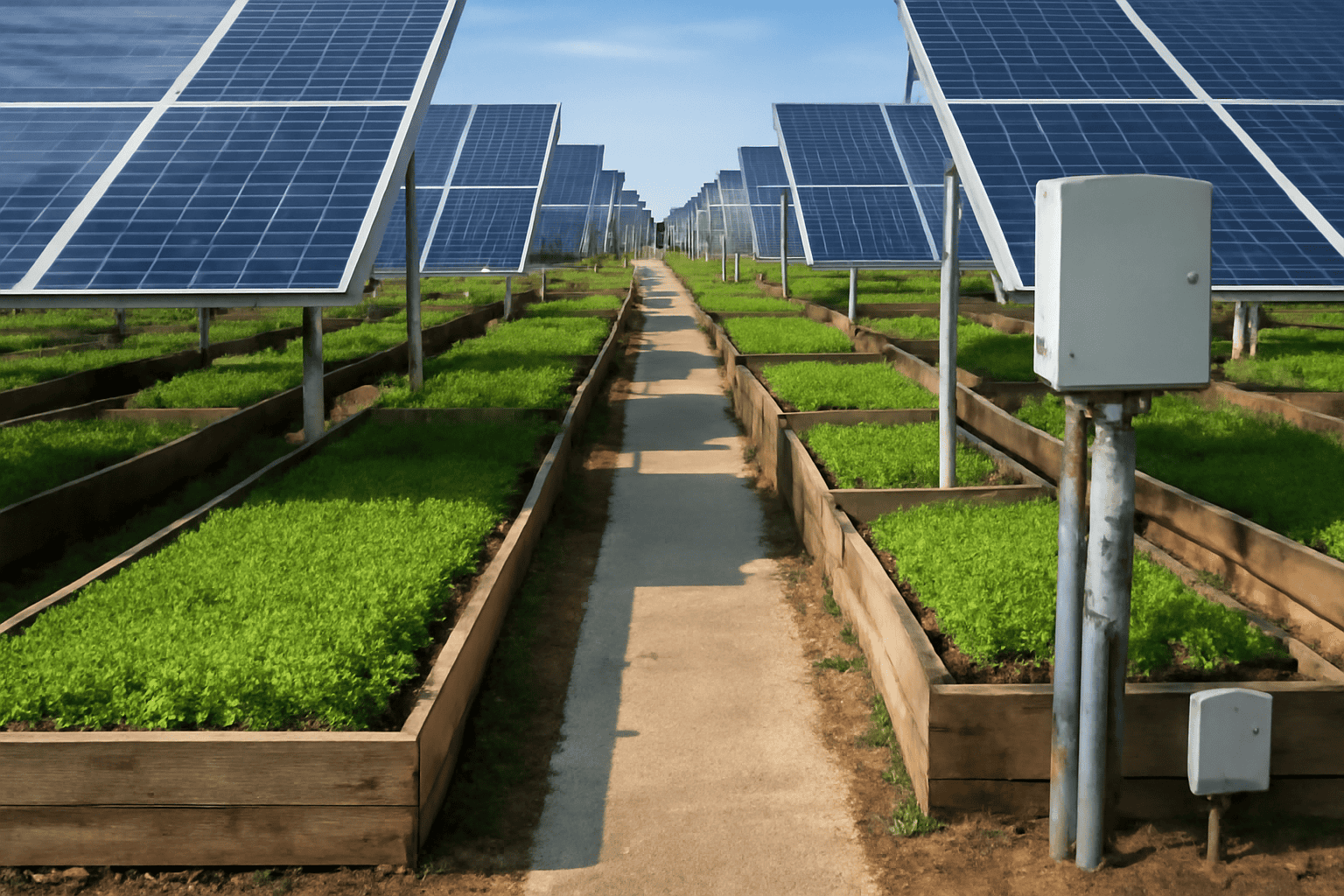
Integration of organic alfalfa sprouting within solar-powered agrivoltaic community projects—such as those pioneered by Solar Plus Garden—enhances sustainability by coupling clean energy generation with food production. Solar-powered water pumps and climate control systems reduce fossil fuel dependency, lowering carbon emissions per product unit.
After sprouting, discarded seed hulls and remnant biomass can be composted or processed for bioenergy feedstock, supporting circular economy principles by closing organic matter loops and reducing landfill contribution.
Selecting and Storing Organic Alfalfa Sprouting Seeds for Optimal Results
Optimal selection criteria for organic alfalfa sprouting seeds include uniformity in size and color—light green to beige hues with intact, undamaged hulls. Visually inspect for absence of cracked hulls, dark spots, or fungal growth indicating compromised seed health. Certified organic status must be verified via documentation referencing certification under EU Regulation 2018/848 or equivalent national standards.
Typical germination viability ranges between 85% and 95% for seeds less than 6 months old. Seed viability decreases gradually with age due to oxidative damage and moisture ingress. Store seeds in airtight containers at stable temperatures near 15°C and relative humidity below 50% to retard premature metabolization and fungal contamination. Under these conditions, shelf life ranges from 6 to 12 months before germination rates decline below acceptable thresholds.
Purchasing from reputable suppliers offering batch-specific germination test results and seed treatment disclosures substantiates quality assurance. Organic alfalfa sprouting seeds must not be pre-treated with fungicides, insecticides, or coated with synthetic polymers, as such treatments contravene organic standards and compromise sprouts’ safety.
Często zadawane pytania
- Can I sprout organic alfalfa seeds without special equipment?
- Yes. Using a standard glass jar fitted with a fine mesh lid (typically 2–3 mm hole diameter), you can effectively soak, rinse, and drain organic alfalfa sprouting seeds by following strict hygiene practices and the recommended soak and rinse schedule. Specialized sprouters ease airflow and draining but are not required.
- How do I know if my organic alfalfa sprouts are safe to eat?
- Safe alfalfa sprouts exhibit a bright green hue with healthy cotyledons, have no visible mold or brown discoloration, smell fresh or neutral without sour or musty odors, and have undergone twice-daily rinses with filtered water. Discard any batch with signs of sliminess, off-odor, or discoloration to avoid foodborne illness.
- What is the best way to store alfalfa sprouting seeds before use?
- Store organic alfalfa sprouting seeds in sealed, opaque containers to limit light exposure, at cool temperatures near 15°C with humidity below 50% to maintain seed viability. Avoid temperature fluctuations or exposure to moisture to prevent mold growth and early germination. Use seeds within 6 to 12 months for consistent sprout yields.
- Are organic alfalfa sprouts more nutritious than mature alfalfa plants?
- Organic alfalfa sprouts contain higher concentrations of vitamins and antioxidants per gram compared to mature plants, due to biochemical changes occurring during germination. Sprouting increases bioavailability of some nutrients by reducing anti-nutritional factors. Mature alfalfa, however, provides dietary fiber and phytonutrients absent or lower in sprouts, so both forms contribute uniquely to nutrition.
In summary, growing and using organic alfalfa sprouts effectively requires certified organic alfalfa sprouting seeds verified under EU Organic Regulation 2018/848, a controlled soak-rinse-drain cycle over 4 to 6 days at 18–22°C, and adherence to food safety protocols to mitigate microbial risk. Appropriate equipment such as glass jars with mesh lids or multi-tier sprouters, combined with proper drying and refrigerated storage at 4–5°C, maintain sprout quality post-harvest. Environmental benefits are enhanced when integrated with solar-powered agrivoltaic systems as seen in community projects like Solar Plus Garden. Regular seed viability monitoring, batch traceability, and compliance with hygiene standards ensure consistent nutrition and consumer safety in organic alfalfa sprouting.