







How Solar Data Loggers Optimize Solar PV Performance and Monitoring
How Solar Data Loggers Capture and Record Solar PV Data
Solar data loggers are devices engineered for continuous data collection and recording of key performance parameters in solar fotovoltaïsch (PV) systems. They measure electrical metrics such as DC current (typically up to 60 A or more depending on system size), voltage (ranging from 12 V for small arrays to 1500 V in utility-scale systems), and power output, alongside environmental inputs like solar irradiance (measured in W/m² using pyranometers or reference solar cells) and module temperature (using PT100 or thermocouple sensors), which are crucial factors influencing system efficiency.
Data acquisition is achieved by interfacing the data logger with a combination of sensors and meters installed at strategic points: DC string inputs, inverter outputs, weather stations, and ambient conditions. For instance, irradiance sensors mounted at plane-of-array capture incident solar radiation, enabling normalization of power output relative to solar input. Temperature sensors monitor panel temperature variations due to thermal effects, which typically cause power derating by approximately 0.4-0.5% per °C above 25°C.
Interfaces include standard wired protocols such as RS-485 compliant with Modbus RTU or TCP/IP, which are industry benchmarks for reliable, noise-resistant communication over distances exceeding 1000 meters—critical in large solar farms. Wireless interfaces like Zigbee, LoRaWAN, or Wi-Fi are also adopted to simplify installation but require site-specific evaluation due to signal attenuation in dense vegetation or metal structures commonly found in agrivoltaïcs.
Logging intervals are configurable, typically ranging from 1 second (suitable to capture transient events such as inverter start-up or shading) to 15 minutes for regular performance trending. High-frequency logging (1 s to 10 s) is beneficial during commissioning or fault investigation phases, whereas intervals of 5 to 15 minutes reduce data storage requirements and network load for routine monitoring.
A solar data logger supporting multiple interfaces (Modbus via RS-485 and Ethernet with TCP/IP) and configurable intervals between 1 s and 15 minutes offers essential flexibility. This ensures adaptability to diverse monitoring goals from granular system diagnostics to aggregated energy yield reporting required by operators and investors.
Key Specifications to Evaluate When Selecting a Solar Data Logger
Choosing the best data logger for solar PV monitoring hinges on evaluating detailed technical specifications aligned with system requirements and environmental conditions.
- Measurement parameters: A comprehensive solar data logger supports inputs from DC current sensors (e.g., Hall effect or shunt-based with accuracy ±0.5%), voltage sensors compatible with system voltage levels, and environmental sensors including Class A pyranometers for irradiance and PT100 probes for temperature with ±0.1°C precision.
- Data storage and communication: Onboard storage must accommodate at least 30 days of data at the highest logging resolution without reliance on continuous network connectivity. Typical storage capacities exceed 4 GB. Cloud connectivity via secure VPN or TLS-encrypted channels (e.g., HTTPS or MQTT protocols) enables remote data access and advanced analytics integration, crucial for real-time performance monitoring.
- Durability and weatherproofing: Minimum ingress protection rating of IP65 is necessary, with UV-stabilized enclosures rated for a temperature range from –40°C to +85°C to endure outdoor exposure. IP67 or IP68 ratings might be required in high-humidity or wash-down environments such as agrivoltaic sites.
- Compatibility: Data loggers must support prevalent communication protocols such as Modbus RTU/TCP, CAN bus, and in some cases DNP3 or proprietary protocols specific to inverter manufacturers like SMA, Huawei, or Fronius. Firmware configurability to handle protocol variations and the ability to employ protocol converters or middleware enhances system integration.
- Power supply options: Data loggers are powered via mechanisms including auxiliary DC solar power (12 V or 24 V), rechargeable Li-ion or NiMH battery packs with capacities supporting at least 7 days of autonomous operation, or direct AC mains supply where available. Off-grid monitoring setups commonly incorporate solar-powered charging circuits with MPPT controllers to ensure energy autonomy.
Combining robust IP65+ enclosure ratings with multi-protocol interface support and ample onboard storage ensures that selected solar data loggers can deliver precise, continuous monitoring essential for both operational assurance and investment protection in solar PV projects.
How Monitoring Systems Use Data Loggers to Enhance Solar PV Plant Management
Solar data loggers form the backbone of monitoring systems that enable advanced management of solar PV plants through detailed data collection and analysis.
- Early detection of faults and underperformance: By capturing near real-time data with logging intervals under 1 minute, anomalies such as string-level shading, soiling losses, or inverter malfunctions can be identified within hours to days. This rapid detection reduces energy loss by enabling swift corrective action.
- Voorspellend onderhoud: Data trends analyzed over rolling periods of 30 to 90 days highlight gradual performance degradation indicative of component aging, enabling maintenance scheduling before catastrophic failure. For example, inverter efficiency drops of 3-5% over a month signal imminent repair needs.
- Warranty support: Data logs, typically stored with timestamp precision better than ±1 second and backed up for minimum 5 years, provide documented evidence of system performance aligned with contractual guarantees, easing claims against manufacturers or installers.
- Naleving van wet- en regelgeving: Accurate energy production records collected in compliance with thresholds set by local grid operators or subsidy programs (such as feed-in tariff audits) require documented meter readings at minimum 15-minute intervals, as often regulated by national authorities.
- Investment transparency: Detailed data from solar data loggers supports community investment models like Solar Plus Garden by providing members and investors with secure, verifiable reports on energy generation and associated financial flows, fulfilling transparency and accountability standards expected by regulators and financial stakeholders.
Effective solar PV plant management leverages routine data collection and analysis facilitated by data loggers to reduce unplanned downtime and extend asset lifecycle.
Data Logger Compatibility with Solar PV Equipment and Industry Protocols
Compatibility of solar data loggers with installed solar PV equipment and communication standards is critical for seamless integration into monitoring systems.
- Communication protocols: Modbus RTU (RS-485) and Modbus TCP/IP remain dominant open protocols for data exchange between inverters, meters, and data loggers. CAN bus is commonly implemented by manufacturers such as SMA for inverter cluster communication, requiring support for the ISO 11898 standard.
- Integration challenges: Proprietary communication protocols (e.g., Huawei’s Sun2000 protocol) may necessitate custom firmware or use of protocol converters to map data into the standard monitoring framework. Interoperability depends on firmware agility and the availability of updated device-specific drivers.
- Firmware updates: Data loggers with OTA (over-the-air) firmware update capability simplify deployment of security patches and protocol enhancements. Manufacturers typically release updates biannually or in response to critical vulnerabilities.
- Data export formats: Export must support CSV and XML file formats with standard timestamp and parameter labeling to facilitate third-party system integration, reporting, and compliance documentation.
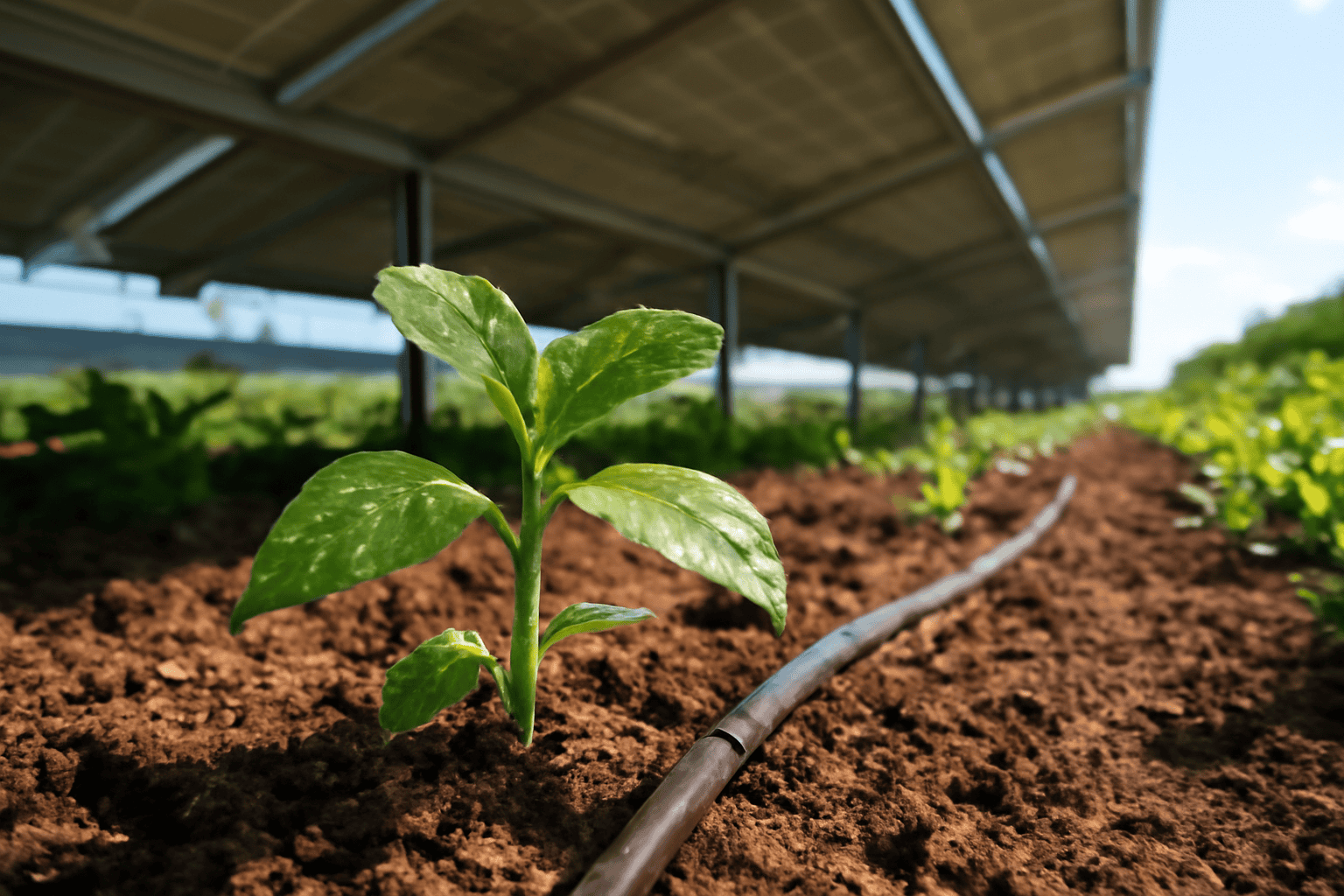
- Agrivoltaic systems: Agrivoltaic projects integrate solar PV data with agricultural monitoring such as soil moisture sensors (using sensors like capacitance probes), leaf wetness sensors, and microclimate stations. Data loggers must have multi-channel analog/digital inputs and modbus compatibility for these sensors to enable holistic environmental and energy monitoring.
The adherence to Modbus RTU and TCP/IP protocols ensures interoperability and data integrity across diverse solar PV equipment and agrivoltaic multi-sensor arrays.
Choosing the Best Solar Data Logger for Different Project Scales
Selection criteria for solar data loggers vary depending on project scale, system complexity, and monitoring objectives.
- Small residential systems: Require affordable, plug-and-play data loggers with standard communication interfaces (Wi-Fi or RS-485), supporting single-string current measurement and inverter data acquisition. Logging intervals of 1 to 5 minutes balance sufficient resolution with manageable data volume, suitable for end-users and installers.
- Large commercial plants: Typically utilize multi-channel data loggers capable of capturing data from hundreds of strings and multiple inverter units. These devices support logging intervals of 1 to 10 seconds, robust Ethernet or fiber optic connectivity for reliable data transport, and integration with SCADA systems following IEC 61850 or DNP3 standards for supervisory control.
- Community-based solar models: Platforms like Solar Plus Garden prioritize data loggers with multi-user access control, API support for third-party dashboards, and data encryption to facilitate transparent reporting and secure member interactions. These systems connect generation data with community garden activities and financial flows.
- Schaalbaarheid: Data loggers compatible with cloud management platforms supporting tens to hundreds of nodes help aggregate data from distributed assets, simplifying investor reporting and operational oversight.
- Cost-performance balance: Devices priced between €200 and €1000 generally offer accuracy within 1%, support multiple input types, and provide network connectivity options. Lower-cost data loggers may lack comprehensive protocol support or durability, while higher-end models include advanced analytics, edge computing, and cybersecurity features.
Assessment of data logger capabilities must consider system size, desired accuracy, data granularity, and integration requirements to ensure optimal monitoring outcomes.
Implementing and Maintaining Solar Data Logger Systems in Agrivoltaics Projects
Deployment of solar data loggers in agrivoltaic systems involves specialized installation and maintenance practices to safeguard data quality and system reliability.
- Installation considerations: Sensors should be mounted to avoid shading by solar panels or vegetation, typically positioning pyranometers at the same tilt angle as panels with a minimum 5 m clearance from obstructions. Protective shielding or anti-soiling coatings reduce dust accumulation, maintaining measurement accuracy.
- Calibration schedules: Routine recalibration every 6 to 12 months following standards such as ISO 9060 for irradiance sensors ensures stable sensor sensitivity and measurement accuracy within ±2%. Temperature sensors should also be inspected and recalibrated accordingly.
- Power management: Off-grid loggers generally include 12 V or 24 V battery packs recharged via auxiliary solar panels sized for at least 120% of daily power consumption, monitored using low-voltage disconnect circuits to prevent deep discharge. Monthly battery health checks and replacement cycles every 3-5 years are recommended.
- Firmware and software updates: Scheduled firmware updates at least biannually maintain compatibility with evolving communication protocols and enhance security against cyber threats.
- Data validation and backups: Protocols such as checksum verification during data transmission and redundant data storage both locally and in cloud repositories protect against accidental data corruption or loss due to hardware failures or network outages.
Adherence to these practices ensures long-term operational integrity of solar data logger systems integrated within agrivoltaic environments, facilitating combined energy and agricultural productivity monitoring.
The Role of Solar Data Loggers in Driving Community Solar and Investment Transparency
Solar data loggers underpin transparent operation and accountability in community solar frameworks such as Solar Plus Garden.
- Transparent reporting: Near real-time data accessible through secure web portals allow members to verify solar PV output against their investment shares, with data encrypted using TLS 1.3 protocols and tamper-evident logging.
- Funding community activities: Solar income, quantified through verified energy yields logged at 15-minute intervals, funds community programming and operational costs, ensuring solar revenue reinvestment beyond direct investor payouts.
- Secure membership interfaces: Role-based access control and two-factor authentication protect member data views, enabling broad participation without requiring direct solar asset ownership while maintaining data security.
- Data integrity and escrow models: Integration with regulated escrow accounts ensures that solar-generated revenue flows are traceable, with data logger outputs feeding automated reconciliation and audit systems, preventing fund misallocation.
- Linking solar data with garden productivity: Data integration platforms aggregate solar generation metrics with outputs from up to 3,000 garden plots monitored with soil moisture and temperature sensors, facilitating cross-sector sustainability performance assessment.
These capabilities highlight how solar data loggers contribute to scalable community engagement and transparent investment models facilitated by platforms like Solar Plus Garden.
Veelgestelde vragen (FAQ)
What criteria should I use to choose a solar data logger for a residential PV system?
Ensure compatibility with your inverter and inverter communication protocols (Modbus RTU or proprietary), sufficient onboard storage for at least 30 days of data at 1-minute intervals, IP65-rated weatherproof housing to withstand outdoor conditions, and support for standard interfaces such as RS-485 and Wi-Fi for ease of integration with monitoring platforms.
How often should solar data loggers be calibrated and maintained?
Calibration every 6 to 12 months is recommended for irradiance and temperature sensors, adhering to ISO 9060 standards. Firmware should be updated biannually or as manufacturer updates are released. Off-grid data loggers require routine battery health checks every 3 months with replacement every 3 to 5 years.
Can solar data loggers contribute to community investment platforms like Solar Plus Garden?
Yes, they provide transparent, timestamped solar generation data that validate energy production figures underpinning returns to community members, fund community activities, and uphold investment transparency through secure monitored reporting.
What logging interval is optimal for solar PV monitoring?
Intervals range from 1 second for diagnostic detail to 15 minutes for performance trending and regulatory reporting. A typical monitoring system balances 1-5 minute intervals for operational monitoring with sub-minute logging reserved for fault analysis.
Conclusie
Effective solar PV monitoring depends on selecting solar data loggers with standardized interfaces such as Modbus RTU and RS-485, appropriate environmental ratings of IP65 or higher, and compatibility with diverse inverters and meters. These devices enable precise data collection essential for early fault detection, predictive maintenance, regulatory compliance, and investment transparency, particularly within community models like Solar Plus Garden.
As communication protocols evolve and sensor technology advances, periodic reassessment of data logger specifications and deployment strategies is necessary to maintain alignment with operational requirements and investor expectations in 2026 and beyond.