

Comprehensive Solar Risk Management: Mitigating Installation and Operational Challenges in Solar Projects
Identifying Key Installation Risks in Solar PV Projects
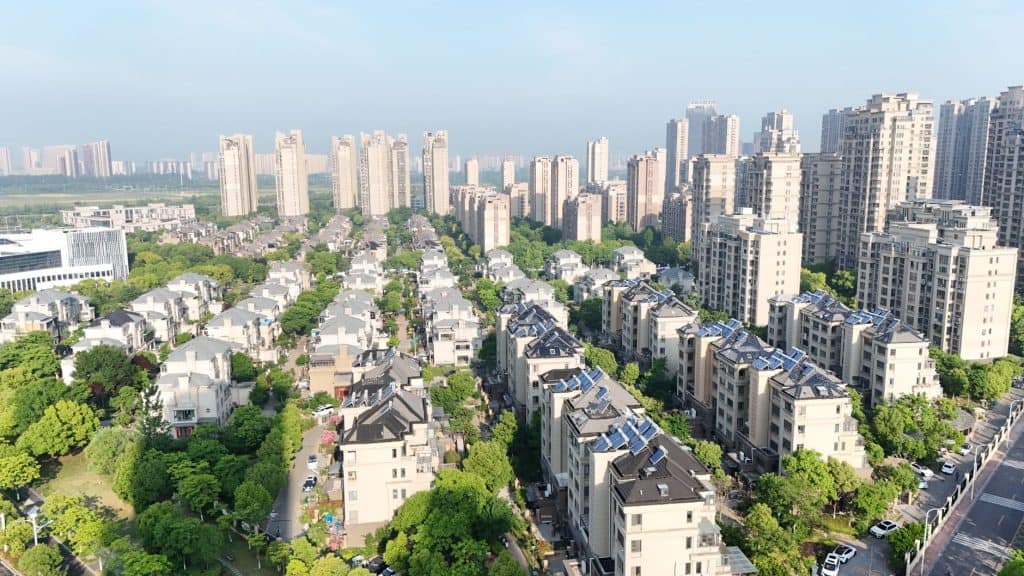
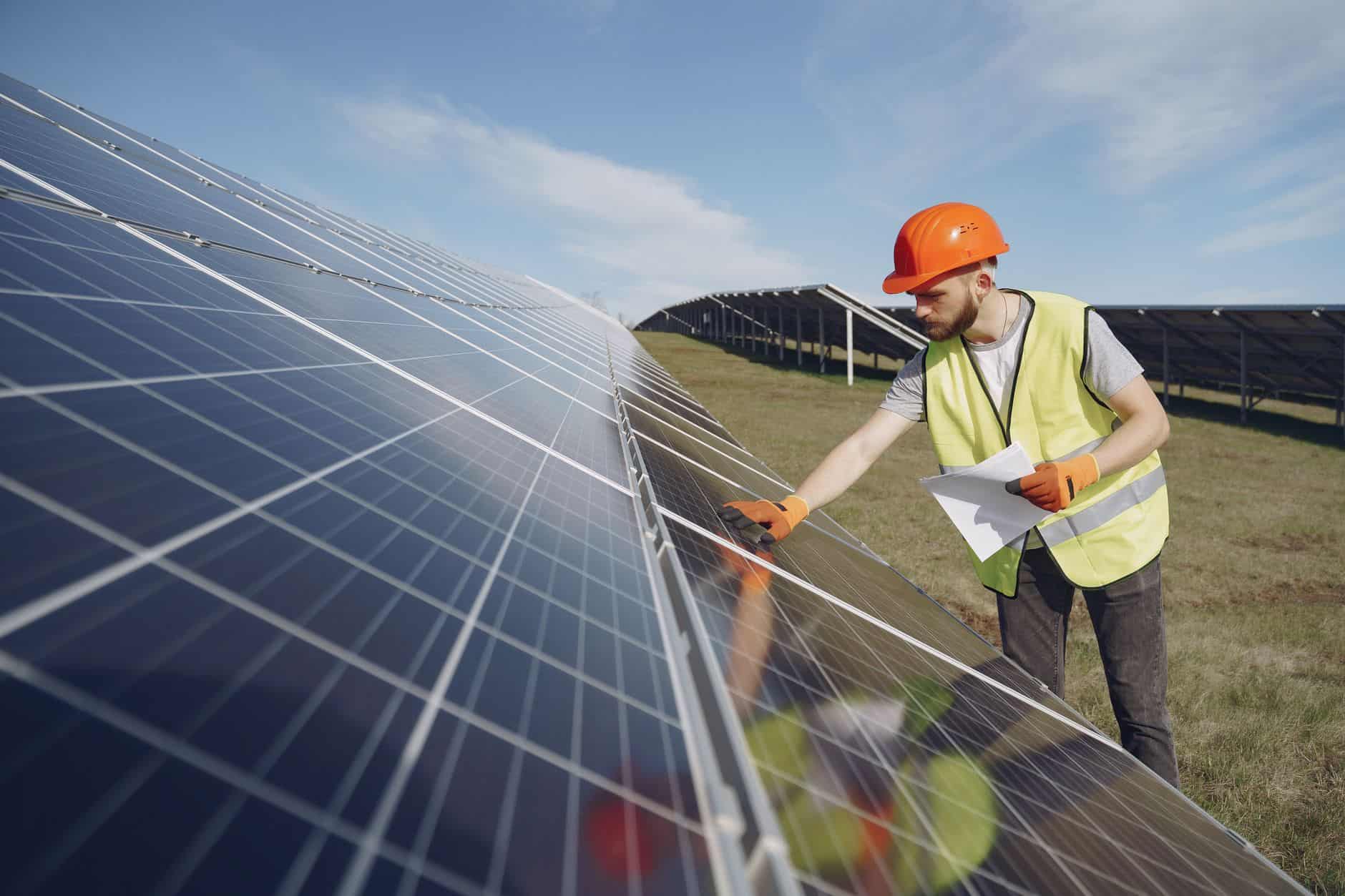
Installation risks in solar projects directly affect system performance, safety, and regulatory compliance. In solar PV systems, particularly rooftop installations, these risks must be systematically identified and managed to avoid costly failures and ensure longevity. For rooftop solar PV, installation risks focus heavily on mechanical, electrical, and environmental interactions.
The primary installation risks include:
- Mechanical failures: Inadequate structural support or improper fastening of solar panels can lead to panel detachment or damage, especially under wind loads exceeding 30 m/s, common in regions of northern Serbia. Structural design must apply Eurocode EN 1991-1-4 for wind actions on structures, integrating local wind profile data and a safety factor of 1.5 for dynamic loads.
- Electrical connection faults: Faults such as loose wiring, improper crimping, or substandard connectors can cause voltage drops beyond the IEEE 1547 recommended limits, arcing, or fire initiation. Proper use of MC4 connectors, UV-resistant cabling rated for at least 1,000 V DC, and shielding against moisture ingress according to IEC 62548 mitigate these issues.
- Fire risks: Electrical faults combined with combustible rooftop materials increase risk. Mitigating fire risks entails specifying Class A or B fire-rated panel backsheets per UL 1703 standards and installing arc-fault circuit interrupters (AFCIs) compliant with NEC 690.11 requirements, reducing ignition sources.
- Weather-related threats: Rooftop installation designs must consider local environmental stressors. Wind and solar loading effects require wind load calculations based on at least five years of local meteorological data to inform mounting system resilience. Panels should employ tempered glass rated to IEC 61730-2 standards to resist hail impact forces up to 30 mm diameter ice balls at 23 m/s velocity, common in continental climates.
Mitigation strategies focus on adherence to local and international installation codes such as IEC 60364 for electrical installations and enforcing robust quality control protocols during installation phases to identify defects before system energizing.
Solar Risk Assessment Frameworks for Investment and Operational Stability
Comprehensive risk assessment is foundational for solar risk management, particularly in solar energy investments and operations. A solar risk assessment framework must address technical, financial, environmental, and regulatory factors with quantifiable metrics and continuous monitoring.
- Identification: Detailed mapping of risks including module degradation, financial exposure, regulatory uncertainty, and environmental events such as shading or soiling.
- Measurement: Quantification involves metrics such as annual PV degradation rates (typically 0.5–1% for monocrystalline silicon), performance ratio (PR) benchmarks maintained within 75%-85%, and probabilistic risk models for weather impacts.
- Monitoring: Ongoing data collection via real-time SCADA with failure mode analytics ensures deviations from expected output prompt responsive maintenance.
Both qualitative and quantitative inputs feed into insurability assessments by providers who evaluate project risk profiles against underwriting criteria that include tariff stability, equipment warranties, and contractor track records. Insurability directly influences project bankability and investor confidence.
In sum, effective risk management in solar entails integrating structured risk assessment to quantify and mitigate key solar risks with active controls suitable for varying project scales.
Regulatory and Legal Risk Management in Solar Installation Projects
Solar projects, particularly those at utility scale such as Solar Plus Garden’s 10 MW plant, demand rigorous adherence to multi-jurisdictional regulations governing installation and operation.
Critical regulatory factors include:
- Electrical safety standards: Compliance with Estonian electrical safety regulations per EVS 809 and Serbian standards (SSR EN 60364 series) is required. These standards dictate grounding protocols, protective device coordination, and electrical isolation to prevent shock and fire risks.
- Permitting and environmental approvals: Obtaining construction permits and environmental impact assessments (EIA) according to national requirements involves multi-stage reviews, often requiring 3–6 months for approval. Documentation must include site-specific risk assessments considering soil stability, shading analysis, and biodiversity preservation.
- Grid connection and operation: Adherence to grid operator technical requirements—such as symmetric fault ride-through per IEC 61727 and frequency regulation mandates—ensures system integration. Contracts stipulate telemetry reporting intervals, often hourly, to maintain grid stability.
- Legal structuring and risk containment: Clear contractual frameworks distinguish ownership, operation, and liability between the Estonian OÜ owner of the solar plant and the Serbian DOO managing community aspects. Escrow payment models limit fund release to achieving milestones verified through third-party audits, enforcing financial discipline.
This regulatory risk management architecture reduces project uncertainty and reinforces cross-border legal compliance vital for investor protection.
Community and Agrivoltaic Model as a Strategic Risk Diversification Tool
Solar Plus Garden’s governance model exemplifies risk diversification by integrating community-driven agrivoltaiku alongside the solar project, which mitigates investment risk beyond conventional equity exposure in solar installations.
- Membership and fee structure: Access to the community does not require direct solar investment. A €200 one-time Garden membership fee grants entry, while an optional €20 per month Garden box subscription funds operational costs. These revenues are invested in solar assets generating stable returns to support community programs.
- Investor risk segregation: The model decouples community engagement financial flows from equity investment, allowing members to participate with limited exposure, expanding inclusivity and smoothing revenue predictability.
- Capacity and entity separation: Garden membership is capped at 3,000 parcels to maintain operational manageability and community engagement quality. The legal separation of the Estonian OÜ owning the solar plant and the Serbian DOO operating the Garden ensures defined liability boundaries and asset protection.
By synergizing solar energy production with regenerative agriculture, this hybrid model provides stabilizing diversification aligned with sustainability goals, reinforcing financial and social risk redistribution.
Technical Risk Mitigation Through Design and Maintenance Best Practices
Technical risk management for solar PV projects necessitates designing systems enduring to site-specific stressors and implementing maintenance programs that sustain performance across the expected 25+ year lifespan.
- Design compliance: PV modules must satisfy IEC 61215 certification confirming durability under mechanical stress, thermal cycling, and damp heat exposure exceeding 1,000 hours. Mounting systems adhere to IEC 62548 for balance-of-system robustness, ensuring resistance to corrosion and mechanical fatigue.
- Planirano održavanje: Preventive maintenance protocols schedule inspections every three to six months, including visual checks for module delamination, inverter electrical testing per IEC 62109-1, and cleaning to maintain transmittance above 90% for polycrystalline glass.
- Monitoring technology: Real-time SCADA platforms using IIS standards facilitate continuous operational data capture, immediate fault detection, and enable predictive analytics to pre-empt failure modes such as string inverter degradation or hot-spot formation.
Collectively, these practices mitigate the risk of costly unplanned outages, maximizing solar energy yield within defined technical risk parameters.
Financial Risk Management and Investor Protection Mechanisms
Within Solar Plus Garden’s investment framework, financial risk management integrates transparency, structured investment options, and legal safeguards designed to protect capital and align investor expectations.
- Transparent fund management: Membership fees and solar revenue are accounted for through regulated escrow accounts with third-party auditing to ensure accurate deployment aligned with project milestones and community operational costs.
- Defined return pathways: Investors may opt for long-term equity participation spanning Project Phases 1 and 2 or choose guaranteed payout schemes in Phase 2, matching diverse risk tolerances and investment horizons.
- Investor entry conditions: Minimum investments of €500 require completion of KYC/KYB procedures. Investment acceptance only commences following finalization of corporate structuring, evidenced by the Estonian OÜ’s registration on 20.02.2026, enforcing a legal foundation prior to capital exposure.
These mechanisms collectively serve to limit financial exposure, boost investor confidence, and sustain financial viability under evolving market conditions.
Često postavljana pitanja (FAQ)
- What are the primary safety risks during solar panel installation on rooftops?
- Key safety risks include fire hazards from improper wiring or installation of incompatible materials, mechanical failures due to insufficient mounting capable of withstanding wind loads per EN 1991-1-4, and electrical shock risks mitigated by compliance with IEC 60364 standards.
- How does Solar Plus Garden’s garden membership model reduce investment risk?
- By separating članstvo u zajednici from direct solar equity investments, financial risk is diversified. Membership fees generate stable funding streams supporting community and project operations without exposing members to the volatility of direct hardware investment.
- What regulatory compliances are critical for a 10 MW solar plant project in this context?
- Compliance includes Estonian EVS 809 and Serbian SSR EN 60364 electrical codes, obtaining environmental permits including EIAs, fulfilling grid-connection criteria such as IEC 61727 fault ride-through, and establishing legal ownership structures with escrow fund release mechanisms.
- How does maintenance factor into managing solar risk over the lifespan of a solar PV system?
- Scheduled maintenance—typically quarterly or biannual—along with real-time SCADA monitoring (aligned with IEC 61850 standards) identifies early degradation signs such as soiling, inverter faults, or potential hot-spots, thereby enabling timely interventions that preserve long-term system reliability and yield.
Zaključak
Comprehensive solar risk management necessitates a multi-faceted approach integrating technical, financial, regulatory, and community strategies. Quantitative risk assessment metrics such as module degradation rates (0.5–1% annually) and performance ratios (75%-85%) provide objective benchmarks, while qualitative factors such as contractor reliability and regulatory compliance ensure practical viability.
Regulatory adherence per Estonian and Serbian standards, combined with escrow-based legal structures, safeguards investment legitimacy in cross-border solar projects like Solar Plus Garden’s 10 MW installation. Design and maintenance protocols based on IEC standards reduce technical risk exposure, extending asset operational life.
The innovative Solar Plus Garden community and agrivoltaic model diversifies financial risk by distinguishing community participation from direct solar investment, employing a transparent fee structure capped at 3,000 members to sustain scalability and governance.
Ongoing monitoring of evolving regulatory requirements, technological standards, and operational factors remains essential to managing solar risk amidst the energy transition, ensuring enduring project stability and investor protection.