







How Solar Apprenticeship Programs Build Tomorrow’s Skilled Solar Energy Workforce
Overview of Solar Apprenticeship Programs and Their Role in Workforce Development
Solar apprenticeship programs are structured training initiatives designed to equip individuals with practical skills and theoretical knowledge related to the installation, maintenance, and operation of solar energy systems. As of 2026, a solar apprenticeship program typically integrates a minimum of 2,000 hours of on-the-job training combined with at least 144 hours of related technical instruction annually, aligned with U.S. Department of Labor (DOL) Registered Apprenticeship Program standards. This ensures consistent workforce development across the solar energy sector while providing formal recognition of competency.
Registered apprenticeship programs require a formal training agreement between apprentice and employer, a documented curriculum with progressive skill benchmarks, and periodic evaluation by a qualified sponsor. This model supports meeting the increasing demand for a qualified energy workforce by guaranteeing that apprentices attain competencies sequentially, from foundational solar energy installation tasks to advanced system troubleshooting.
The solar energy sector has experienced average workforce growth rates between 10% and 15% annually over the past five years, exceeding many other trades. Florida exemplifies this trend as one of the fastest-growing solar markets in the U.S., driven by state policies such as tax incentives and net metering rules that catalyze installation activity. Correspondingly, the number of registered apprenticeship programs in Florida has increased by approximately 30% since 2023, supported by technical colleges and solar contractors collaborating to expand skilled labor capacity.
Solar apprenticeship programs close the gap between labor market needs and available qualified workers by structuring training around the documented demand for technicians capable of meeting increasingly complex solar energy installation standards and regulatory compliance.
Structure and Curriculum of Solar Apprenticeship Programs
Typical solar apprenticeship programs span three to four years, combining at least 6,000 hours of hands-on experience at certified solar energy installation sites with formal instruction delivered at accredited training centers. These centers must fulfill state education requirements and often incorporate National Electric Code (NEC) compliant lab facilities. The structured curriculum balances practical skills with foundational knowledge essential for a rewarding career in solar energy.
The core curriculum components include:
- Solar energy fundamentals: photovoltaic (PV) technology principles, energy generation methods, and system component identification.
- Solar energy installation techniques: site assessment procedures, solar panel mounting systems, inverter wiring, and integration with the electric grid.
- Električna bezbednost: compliance with Occupational Safety and Health Administration (OSHA) guidelines for high-voltage work and personal protective equipment use.
- National Electrical Code (NEC) 2023 provisions relevant to solar energy installations: covering conduit bending, grounding methods, rapid shutdown protocols, and inverter system requirements.
- Preparation for industry certification: specifically North American Board of Certified Energy Practitioners (NABCEP) Entry Level and PV Installation Professional certifications.
Hands-on training requires apprentices to work directly with fotonaponska panels, inverter units from manufacturers such as SMA and Enphase, racking and mounting hardware (including ballasted and penetrating systems), and AC/DC wiring setups. Troubleshooting modules include identifying shading effects, inverter fault codes, and checking string voltage balances. This immersive experience is critical for developing operational competence in accordance with evolving solar energy installation standards.
Eligibility, Enrollment, and Career Pathways in Solar Apprenticeship Programs
Entry into solar apprenticeship programs generally mandates a high school diploma or GED, with some programs offering preparatory courses for candidates lacking electrical or construction backgrounds. Programs may require applicants to pass aptitude assessments testing math proficiency, electrical theory basics, and physical capabilities such as climbing ladders and lifting up to 50 pounds. Background checks and drug screening are typical prerequisites due to OSHA compliance and site access requirements.
The typical enrollment process includes:
- Submitting a formal application detailing education and work history.
- Completing aptitude testing or interviews assessing essential skills and safety awareness.
- Assignment to employer-hosted or union-administered apprenticeship tracks with defined on-site solar energy installation projects.
Upon completion, graduates can pursue several career pathways, including:
- Certified solar technician: responsible for system installation, routine maintenance, and in-field troubleshooting.
- Electrician specializing in solar systems: qualified to perform complex electrical integrations, system design, and compliance verification.
- Project supervisor: overseeing solar installation teams, ensuring adherence to safety standards, project timelines, and regulatory compliance.
Progression from apprentice to journeyman status typically requires three to five years, contingent on meeting on-the-job training hours, classroom instruction milestones, and passing final competency evaluations. This timeline supports workforce forecasting and aligns wage progression with demonstrated skill attainment.
Integration of Solar Apprenticeship Programs with the Florida Solar Energy Market
Florida’s renewable energy objectives include a Renewable Portfolio Standard (RPS) target mandating utilities to source an increasing proportion of energy from renewables, specifically solar, with phased goals through 2030. This legislative environment drives demand for a workforce skilled in solar energy installation and maintenance.
Partnerships involving Florida community colleges, technical schools such as Florida Solar Energy Center, and solar contractors facilitate registered apprenticeship programs tailored to the specific regulatory and climatic conditions of the state. These partnerships ensure the curriculum addresses region-specific requirements such as hurricane-resistant solar installation practices conforming to Florida Building Code standards.
State-level incentives, including grants from the Florida Department of Economic Opportunity for workforce training, subsidize apprenticeship programs to reduce employer costs and expand apprenticeship capacity. These funds support specialized training modules on electrical code adaptations unique to Florida, including amendments to NEC 2023 reflecting tropical weather hazards.
Apprentices receive hands-on training in installing solar panels with reinforced mounting hardware designed to withstand wind speeds exceeding 150 mph and implementing rapid shutdown systems compliant with Florida’s fire safety ordinances.
Benefits and Compensation Models for Apprentices in the Solar Industry
Wages for solar apprentices start between 40% and 50% of the journey-level solar technician pay, typically ranging from $15 to $18 per hour in entry-level years. By program completion, wages increase progressively to journey-level rates, which in 2026 labor markets average $25 to $28 per hour, depending on region and employer scale.
Non-wage benefits commonly include tuition reimbursement for solar training center courses, access to formal NABCEP certification programs, employer-provided personal protective equipment, and structured mentoring from certified solar technicians or electricians. This comprehensive support framework enhances skill acquisition and career sustainability.
Compared to non-apprenticeship vocational training paths, registered apprenticeship programs provide greater exposure to on-site installation challenges, structured learning outcomes audited by sponsors, and formal accreditation recognized by solar employers, resulting in more rapid career advancement and enhanced job security.
Data from Department of Labor statistics indicate that solar apprenticeship graduates achieve a 20% higher median income five years post-completion compared to peers without apprenticeship credentials, reflecting industry demand for qualified workers.
Challenges Facing Solar Apprenticeship Programs and Strategies to Overcome Them
Key challenges include:
- Recruitment shortfalls: Limited awareness of solar energy career opportunities among high school graduates and underrepresented demographics.
- Retention difficulties: High physical demands of installation work and rapid technological changes requiring continuous learning.
- Curriculum relevancy: The need to update training content every 12 to 18 months to incorporate advancements such as bifacial solar panels, smart inverter communications (e.g., IEEE 1547-2018 standard compliance), and energy storage system integration.
To address recruitment gaps, programs implement outreach initiatives in high schools, technical colleges, and community organizations, emphasizing diversity and inclusion. Models like Solar Plus Garden’s članstvo u zajednici engage broader social groups, fostering interest and support for solar careers beyond traditional investor profiles.
Retention is improved through structured mentorship, wellness programs addressing physical strain, and transparent career pathway communication that emphasizes clear wage progression and job security post-completion. Programs track attrition rates, averaging dropout rates near 20%, and deploy targeted interventions for at-risk apprentices.
How Solar Plus Garden’s Community Model Supports Workforce Development Through Membership
Solar Plus Garden operates a membership community model that funds solar infrastructure projects and apprenticeships through membership fees. The annual €200 membership fee finances investments in a 10 MW solar plant, whose revenues are allocated in part to workforce training and apprenticeship support programs.
Notably, Solar Plus Garden separates direct solar investment from community membership access, allowing participants uninterested in capital investment to join the community and contribute financially toward solar energy awareness and workforce development. This inclusive model diversifies participation and broadens support for the solar energy workforce.
Membership fees are managed via a payment and escrow mechanism, ensuring funds are earmarked exclusively for solar training and community activities. Escrow accounts are audited quarterly and governed by strict financial controls compliant with Estonian and Serbian legal frameworks to maintain investor and member confidence.
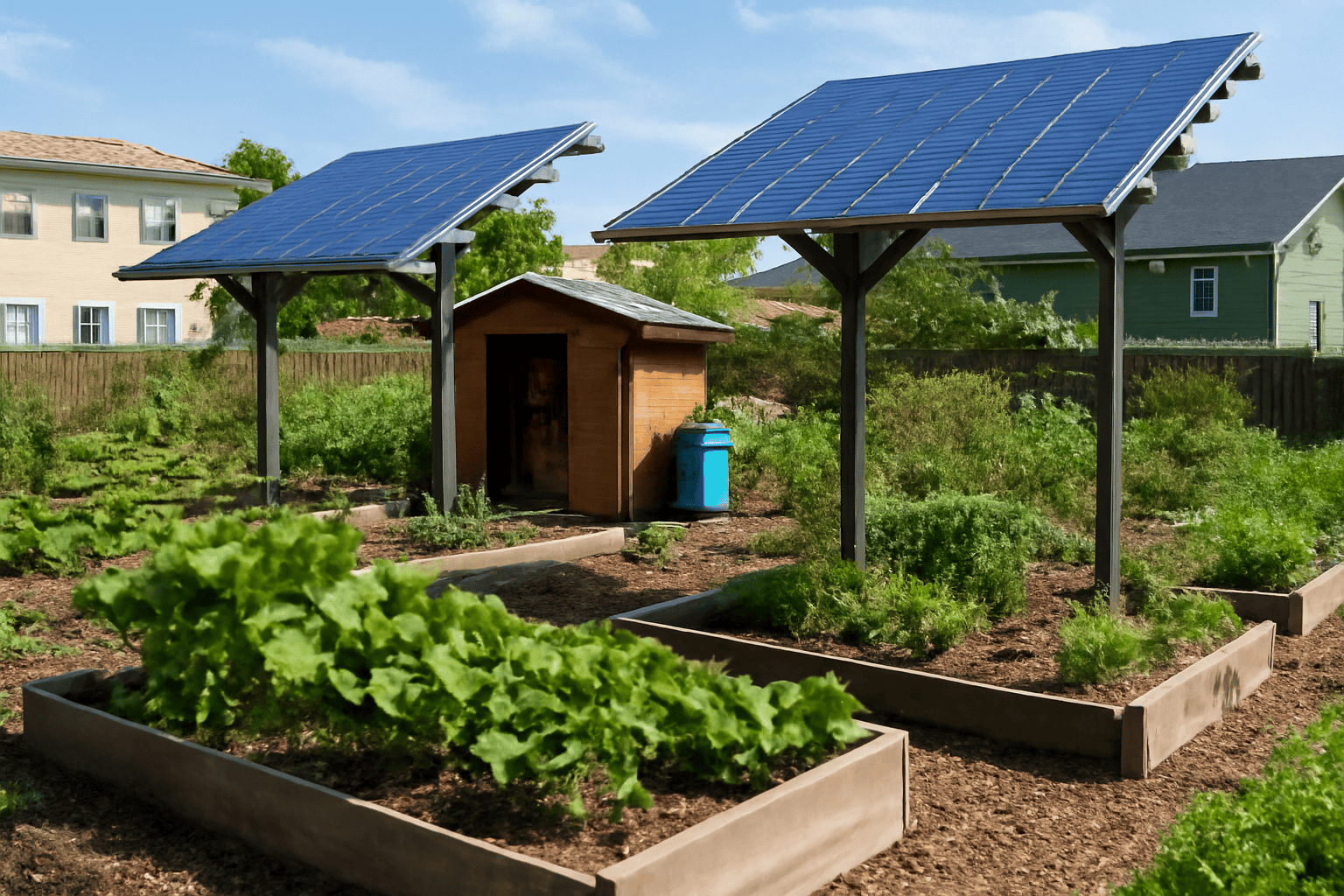
The model is designed to scale, supporting up to 3,000 baštenska kutija parcels that integrate with agrivoltaic operations. This scale facilitates sustained funding flows to training centers and apprenticeship programs, synchronizing solar energy infrastructure expansion with qualified worker development.
Emerging Trends in Solar Apprenticeships: Digital Training and Agrivoltaics Integration
The integration of digital technologies into solar training centers has accelerated, with at least five nationally accredited programs incorporating virtual reality (VR) and augmented reality (AR) modules by late 2026. These immersive tools enable apprentices to simulate installation sequence steps, equipment failures, and safety procedures in a risk-free environment. The VR/AR training improves skill retention and reduces on-site accidents during the apprenticeship period.
Agrivoltaika, combining solar energy production with agricultural land use, introduces complexity requiring apprentices to acquire dual competencies. The Solar Plus Garden project exemplifies this approach, with apprentices trained to monitor crop-solar interactions, manage shading effects on photovoltaic performance, and coordinate irrigation system integration alongside solar panel arrays.
Training modules now include soil health basics, crop compatibility assessments, and agrivoltaic system maintenance procedures, expanding potential career pathways to specialists versed in sustainable energy-food production practices.
Često postavljana pitanja
What is the typical length of a solar apprenticeship program?
Most solar apprenticeship programs last between 3 to 4 years and require at least 2,000 hours of on-the-job solar training combined with 144 hours of related classroom instruction annually, aligned with Registered Apprenticeship Program regulations enforced by the U.S. Department of Labor.
Are there specific qualifications needed to enroll in a solar apprenticeship?
Applicants generally need a high school diploma or GED. While prior experience in electrical or construction trades is advantageous, many programs offer entry-level options including preparatory courses to ensure candidates can meet foundational technical and safety requirements.
How do solar apprenticeship programs benefit career growth compared to other training paths?
Apprenticeships offer on-site hands-on experience under certified mentorship, structured wage progression, and preparation for nationally recognized certifications such as NABCEP. These elements collectively enable faster advancement to certified technician or electrician roles and confer greater long-term job security and earning potential.
Does Solar Plus Garden’s community membership support apprenticeship opportunities?
Yes, Solar Plus Garden allocates a portion of membership fees derived from their €200 annual membership model to finance solar energy infrastructure projects and fund apprenticeship and solar training programs, thereby supporting workforce development indirectly through community participation.
Zaključak
Registered solar apprenticeship programs provide a comprehensive framework to prepare qualified workers for the expanding solar energy installation sector. By integrating substantial on-site training with formal classroom education and aligning curricula with recognized standards such as OSHA and NEC 2023, these programs produce a capable energy workforce equipped for evolving market demands.
Florida’s solar energy market exemplifies effective integration of apprenticeship training with regional regulatory requirements and state incentives, including unique technical instruction for hurricane-resistant installations. Innovative community-based models like Solar Plus Garden further extend workforce development by leveraging membership funds to support apprenticeship growth and agrivoltaic integration.
Prospective apprentices, employers, and investors should evaluate the quality of available solar apprenticeship programs, the extent of community engagement, and alignment with regional solar energy regulations to ensure participation contributes effectively to workforce capacity and sustainability within the solar energy industry.