







Ensuring Excellence: How Solar Quality Assurance Drives Reliable Solar Energy Projects
Defining Solar Quality Assurance: Scope and Standards
Solar quality assurance (QA) encompasses structured and systematic activities aimed at verifying that solar panels and associated components adhere to defined technical specifications and performance benchmarks over the entire project life cycle. QA differs from quality control (QC), which focuses on specific inspections and defect detection at discrete points within the manufacturing or installation process.
Quality assurance in solar energy projects applies at every critical phase:
- Design: Confirming that engineering specifications comply with regulatory requirements such as IEC standards and project performance targets, including system design ratings and site-specific conditions.
- Manufacturing: Implementing process controls and standardized inspections aligned with ISO 9001 quality management principles to guarantee components meet safety and efficiency criteria.
- Инсталација: Performing mechanical and electrical verifications to ensure correct component integration, adherence to project technical drawings, and compliance with local electrical codes such as IEC 60364.
- Operation: Conducting continuous performance monitoring and preventative maintenance to sustain system availability and output over 25+ years.
Key international standards inform solar QA parameters. For crystalline silicon фотонапонска modules, ИЕЦ 61215 outlines comprehensive testing for mechanical durability, thermal cycling, humidity resistance, and electrical characteristics under simulated environmental stresses. Complementarily, IEC 61730 sets module safety requirements addressing electrical insulation, mechanical robustness, and fire resistance.
Certification from accredited independent organizations such as TÜV Rheinland и UL verifies manufacturer compliance with these IEC standards, lending credibility that tested solar panels and critical components—including inverters per UL 1741 and mounting hardware—meet recognized quality benchmarks. These certificates typically require annual renewal through factory audits and periodic retesting.
Critical Quality Assurance Activities in Solar Panel Manufacturing
Manufacturing of solar panels integrates multiple QA steps designed to identify manufacturing defects early and maintain consistent module performance. The typical sequence includes:
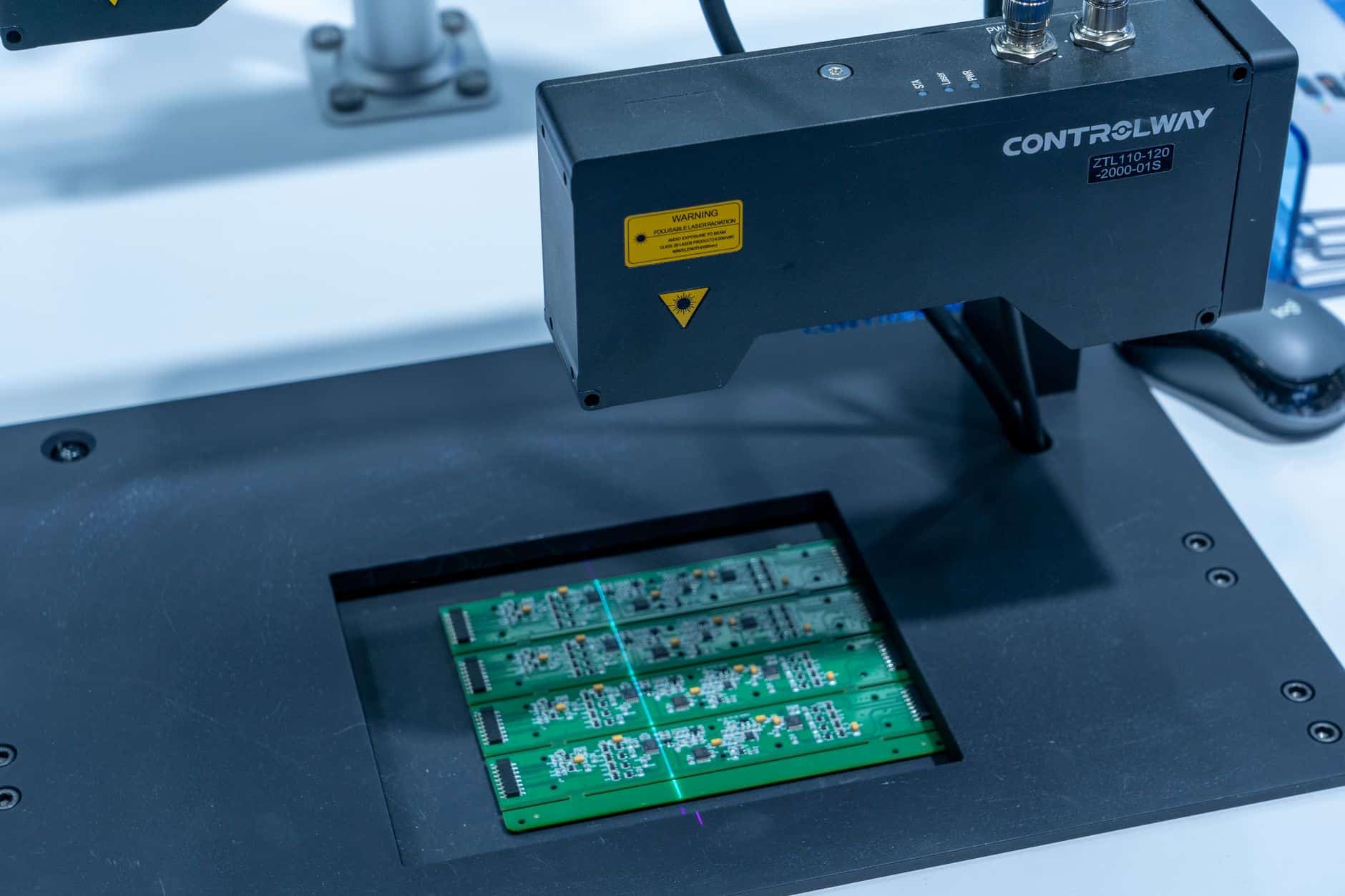
- Raw Materials Inspection: Silicon wafers undergo dimensional and purity verification using techniques such as X-ray fluorescence (XRF) and laser scanning to confirm crystal integrity and contaminant levels below established thresholds.
- Cell Production Testing: Electrical characterization includes IV curve tracing and electroluminescence (EL) imaging to reveal microcracks, inactive cell regions, or shunting defects that reduce efficiency below typical >20% for monocrystalline cells.
- Lamination Control: Encapsulation using ethylene-vinyl acetate (EVA) layers occurs in controlled temperature and pressure environments to eliminate delamination risks and prevent bubble formation, which compromises panel longevity.
- Framing and Assembly: Frames, typically anodized aluminum, are secured with specified torque values and grounding continuity tested per IEC 62548 to ensure mechanical integrity and electrical safety.
- Final Module Testing: Each module undergoes flash testing under simulated standard test conditions (STC: 1000 W/m² irradiance, 25°C) to verify power output within ±5% of rated capacity, and humidity-freeze and mechanical load tests per IEC 61215.
To reduce variability and rework rates exceeding 2%, manufacturers employ Statistical Process Control (SPC) monitoring key variables such as soldering temperature and lamination time. Emerging inline automation with machine vision and AI-driven defect classification further enhances early identification and consistency.
QA Protocols for Large Solar Energy Projects: From Procurement to Commissioning
For solar energy projects with capacity above 10 MW, such as Solar Plus Garden’s project, implementing extensive QA protocols is vital to safeguard asset reliability and investment value. Essential quality assurance activities include:
- Supplier Audits: Conducted before procurement, these audits assess manufacturing quality management systems, including ISO 9001 certification status, IEC compliance, and evidence of recent product testing. Audits typically require on-site visits and documentation reviews of process flows and defect rates.
- Certification Verification: Incoming components undergo documentation checks to confirm valid IEC 61215, IEC 61730, TÜV Rheinland, or UL certifications, ensuring authenticity and adherence to up-to-date standards.
- Receipt Inspection: Visual and dimensional checks at delivery identify damages caused during transport, such as frame warping or glass chips, as well as verification against packing lists to avoid specification mismatches.
- Installation QA: On-site inspectors systematically verify module mounting torque values, grounding continuity, string wiring, and inverter settings per design documentation. Nonconformities trigger immediate corrective actions.
- Commissioning Testing: Includes performance ratio (PR) assessments comparing actual output to expected irradiance and temperature-corrected benchmarks. Safety verifications such as insulation resistance tests and earth fault detection confirm electrical integrity before system energization.
Documenting these steps in QA logs and traceability records enables precise tracking of component provenance and quality checkpoints. This documentation is essential for fulfilling warranty conditions and addressing potential disputes in asset performance or failures, ultimately securing long-term project resilience and investor assurance.
Integrating Community Engagement through the Garden Membership Model in Solar QA
Солар Плус Гарденс Чланство у башти model uniquely links solar quality assurance with community involvement, creating a dual-value platform. This model enables members to contribute to solar quality efforts indirectly through membership fees, fostering transparency and sustainable operations.
- Members pay a Једнократна чланарина од 200 евра which funds the quality assurance infrastructure—covering costs for inspection personnel, monitoring technologies, and maintenance activities essential to uphold system performance.
- The 10 MW solar plant operates under a Serbian DOO (Limited Liability Company), responsible for owning and maintaining solar assets, while the Garden community is managed by a separate legal entity holding exclusive rights to the Garden concept, overseeing community content and up to 3,000 individual garden boxes.
- Solar-generated revenue finances both quality solar assurance operations and community programs, ensuring clear accounting separation and preventing fund commingling, which is critical for regulatory compliance and investor trust.
- Transparent QA reporting tied to member contributions enhances credibility by demonstrating a direct link between quality solar operations and community benefits, reinforcing investor confidence in both financial and social returns.
Challenges and Common Quality Issues in Solar Energy Projects and How QA Addresses Them
Solar energy projects confront several recurrent quality issues that impact system efficiency and durability. Primary issues include:
- Microcracks: Sub-millimeter fractures in silicon cells caused during manufacturing or handling can propagate under thermal cycling (-40°C to 85°C range per IEC 61215 testing), leading to power degradation of up to 10% over 10 years.
- Потенцијално индукована деградација (ПИД): Voltage-induced leakage currents, often resulting from high system voltages (>600 V) and environmental humidity, can reduce output by 20–30% if not mitigated through module selection or system grounding designs.
- Improper Installation: Failures such as loose mounting, over- or under-torqued bolts, or incorrect cable connections increase risks of mechanical stress or electrical faults, with failure rates documented up to 5% in projects lacking formal installation QA.
Financially, such defects diminish energy yield, shorten module lifespan, and escalate operation and maintenance (O&M) costs. QA protocols counter these risks by implementing multilayered inspections, including EL imaging and power testing during manufacturing to filter defective panels and rigorous installation QA to prevent field failures.
Rework costs—extending to component replacement, reinstallation, or partial system shutdowns—may result in delays and added expenses. Effective QA reduces rework incidence by targeting defect identification early. When rework is necessary, thorough root cause investigations and corrective action plans help prevent recurrent quality issues, preserving project economics and timeline adherence.
Technological Tools and Innovations Enhancing Solar Quality Assurance
Advances in technology are strengthening solar quality assurance by improving defect detection accuracy, process control, and documentation transparency in solar energy projects exceeding 10 MW capacity:
- Drone-Based Aerial Surveys: Drones equipped with high-resolution RGB and multispectral sensors enable large-area inspections to detect module soiling rates, microfractures, and shading effects efficiently. GPS-based geotagging improves anomaly tracking.
- Thermographic Cameras: Infrared imaging identifies hot spots arising from cell damage, interconnection faults, or inverter malfunctions. Hot spot detection assists in prioritizing targeted maintenance, improving operational uptime.
- AI-Powered Defect Recognition: Deep learning algorithms analyze imaging data from manufacturing line inspections and field surveys to identify subtle or complex defects with higher speed and reliability than manual visual inspections.
- Digital Quality Assurance Platforms: Cloud-based QA management software consolidates inspection data, monitors real-time module parameters like voltage, current, and temperature, and maintains traceability records across supply chains and installation teams.
- Manufacturing Automation: Robotics integrated with inline sensors maintain consistent pressure and temperature during lamination, improving yield by minimizing defects such as delamination or soldering faults.
- Predictive Data Analytics: Analysis of historical QA data enables identification of failure patterns and predictive maintenance scheduling, allowing preemptive interventions to avoid costly unplanned outages.
For large solar projects, reliance on these technologies is critical given the scale and complexity involved, making manual inspection impractical and optimizing QA resource allocation.
Verification and Audit Processes That Cement Solar Quality Assurance Credibility
Verification and audit mechanisms provide objective evidence that solar quality assurance practices conform with industry standards and project-specific requirements. These processes typically include:
- Factory Acceptance Tests (FAT): Performed at the manufacturer’s site by independent third-party inspectors prior to shipment, FATs verify compliance with technical specifications, functional performance, and documentation completeness. Inspections cover module electrical characteristics and mechanical parameter adherence.
- Field Acceptance Tests (FAT): After installation, operational inspections confirm proper functioning under site-specific conditions, including string-level IV curve analysis, insulation resistance measurements, and grounding verification.
- Certification Audits: Regular audits conducted by external certification bodies such as TÜV Rheinland assess ongoing adherence to IEC 61215, IEC 61730, and other applicable standards throughout production and asset life cycles.
- Internal Quality Audits: Project QA teams perform scheduled reviews of protocols, documentation, and practices to identify nonconformities and opportunities for process improvement, typically quarterly or biannually.
- External Quality Audits: Independent audits commissioned by investors or regulators provide unbiased assessments, often required for financing approval or regulatory permitting.
Audit outcomes directly inform continuous improvement and corrective action processes, fostering transparent communication with stakeholders and mitigating quality risks in ongoing operations.
Ensuring Long-term Solar Quality: Maintenance’s Role in QA Frameworks
Maintenance complements quality assurance by preserving solar energy system performance across its operational life, commonly exceeding 25 years. Maintenance activities aligned with QA frameworks include:
- Scheduled Inspections: Regularly timed inspections, generally biannual or quarterly during the first 10 years, use visual checks, electrical testing, and thermographic analysis to detect early defects or performance deterioration.
- Diagnostic Testing: Detailed IV curve tracing and thermography facilitate identification of underperforming modules or inverter faults, enabling timely corrective measures before significant energy losses occur.
- Maintenance Data Integration: Maintenance logs and inspection results are systematically incorporated into QA databases, supporting dynamic risk assessments and refinement of inspection intervals and techniques.
- Warranty Compliance: Strict adherence to maintenance and inspection schedules is essential to retain warranty coverage from manufacturers and component suppliers, which commonly require formal reporting and evidence of adherence.
Implementing these practices reduces unplanned downtime, improves energy yield, and safeguards financial returns for investors, sustaining confidence in large solar energy projects throughout their operational lifespan.
Често постављана питања
- What certifications should I check to confirm solar panel quality?
- Verify compliance with ИЕЦ 61215 covering performance testing and IEC 61730 for safety standards. Confirm certifications from recognized bodies such as TÜV Rheinland или UL which guarantee panels have undergone rigorous durability, safety, and electrical performance testing according to international norms.
- How does Solar Plus Garden’s membership fee relate to solar quality assurance?
- The €200 one-time Garden membership fee contributes directly to funding the solar project’s quality assurance infrastructure, including inspection teams, monitoring technology, and ongoing maintenance. This fee supports transparent and sustainable project management alongside community activities.
- What are the most common quality issues found in solar panels during manufacturing?
- Typical defects include microcracks caused by handling or thermal stress, potential induced degradation (PID) due to voltage leakage, and lamination or framing faults such as delamination or improper grounding. These issues degrade efficiency and durability but are mitigated through EL imaging, flash testing, and other QA inspections during manufacturing.
- How often are quality audits performed on large solar projects?
- Audits occur at critical phases: pre-production, post-production, commissioning, and periodically during operation, typically on an annual or biannual basis. Frequency depends on project size, regulatory requirements, and investor demands, ensuring ongoing compliance and identifying opportunities to improve solar panel manufacturing and system reliability.
Embedding comprehensive solar quality assurance practices across manufacturing, procurement, installation, and maintenance is essential for reliable, large-scale solar energy projects. For investors and developers participating in platforms like Solar Plus Garden’s 10 MW project, active engagement with QA protocols is necessary to protect capital, maintain operational excellence, and support integrated community benefits. Evolving certification standards and technological advances require continuous updates to QA frameworks to address emerging quality risks effectively.