










Understanding Solar Renewable Energy Certificates: A Practical Guide for Investors and Developers
The Role of Solar Renewable Energy Certificates in Supporting Solar Projects
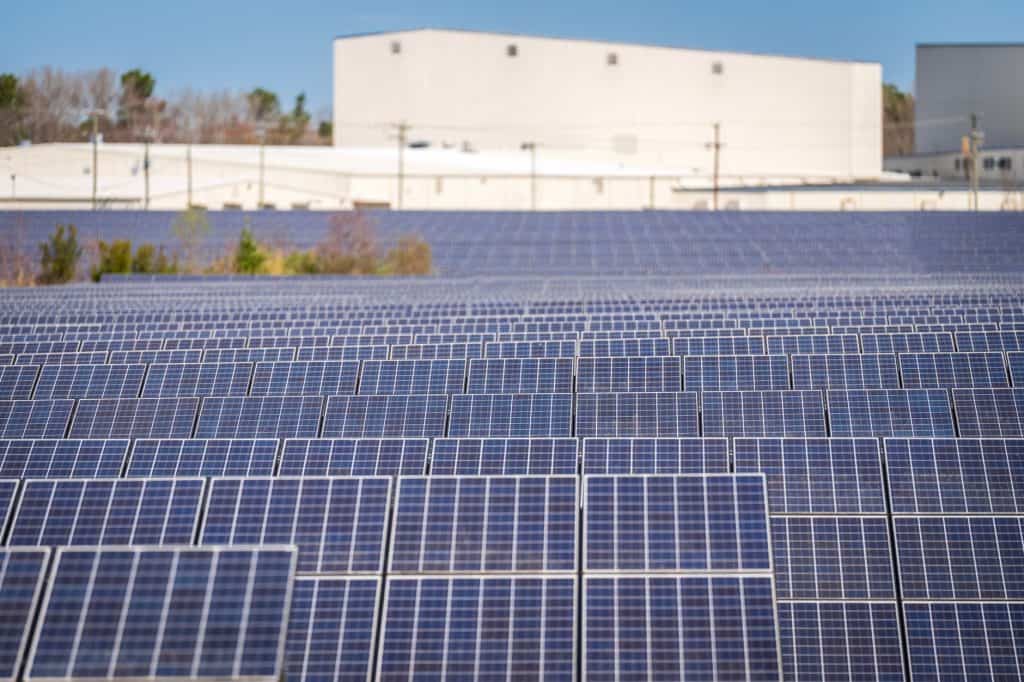
A solar renewable energy certificate (SREC) certifies the production of exactly 1 megawatt-hour (MWh) of electricity generated from solar renewable energy sources. As a subset of renewable energy certificates (RECs), each SREC separates the environmental attributes of solar electricity from the physical electricity delivered to the grid, enabling distinct market valuation of clean energy.
SRECs function within regulated renewable frameworks to track generation, ensuring that every SREC represents verified solar renewable energy injection. This system allows project developers and investors to monetize solar renewable energy beyond traditional electricity sales revenues.
By facilitating compliance with Renewable Portfolio Standards (RPS), SRECs create financial incentives that accelerate solar capacity deployment. Energy suppliers and utilities purchase SRECs to fulfill mandated green power quotas, demonstrating tangible support for renewable energy and ensuring regulatory compliance.
The SREC market comprises solar producers who register and claim certificates, buyers such as utilities, corporations aiming to buy renewable energy attributes, and regulatory bodies that approve, audit, and oversee certificate issuance and trading. This market architecture supports transparency, asset verification, and the growth of solar infrastructure.
How Solar Renewable Energy Certificates Are Created and Traded
The lifecycle of an SREC includes defined steps governed by regional standards and registry procedures:
- Verification of Solar Generation: Solar power systems must be registered with authorized entities such as regional REC registries or government agencies. Meters compliant with standards like IEC 62053-21 or ANSI C12.1 are installed to record net metered solar electricity output. Independent auditors verify generation data typically on a monthly basis to ensure accuracy and prevent double counting.
- Issuance of SRECs: For each validated 1 MWh of solar-generated clean energy delivered to the grid, the registry issues one SREC to the solar system owner. These certificates are uniquely serialized and time-stamped within a secure digital registry to track ownership and transfer history.
- Certification and Listing: SRECs must meet eligibility rules defined by jurisdictional RPS programs or voluntary green power standards. Only certificates from compliant solar assets are approved and listed on market registries, allowing market participants to access verified inventories for buying and selling.
- Trading Mechanisms: SREC transactions occur via multiple channels including state or regional exchanges like PJM-GATS or CAISO WREGIS, bilateral negotiated contracts, or curated marketplaces such as Xpansiv Managed Solutions. These platforms provide transparency, price discovery, and enforce contract compliance in line with market regulations.
SREC trading liquidity and pricing depend on market depth, regulatory demand, and timing. Sellers optimize revenue by balancing between short-term spot sales and longer-term offtake contracts, managing exposure to price volatility and regulatory shifts.
Legal and Regulatory Framework Governing Solar Renewable Energy Certificates
Solar renewable energy certificates operate under stringent regulatory protocols tailored to region-specific renewable energy policies:
- Eligibility and Compliance: Solar generating units must satisfy technical standards such as installation certifications by accredited bodies (e.g., IEC 61730 for module safety) and use certified metering equipment. Systems are usually required to be grid-connected, with generation reported to centralized platforms. These rules ensure certificates represent bona fide renewable generation.
- Renewable Portfolio Standards (RPS): In jurisdictions with RPS mandates—such as 30 U.S. states—electricity suppliers must procure a defined percentage of their electricity from renewables by submitting eligible RECs or SRECs. Non-compliance typically triggers alternative compliance payments, underpinning minimum market prices and providing demand certainty.
- Market Differences: The U.S. employs state-specific SREC programs (e.g., New Jersey’s SREC Trade) often with separate registries, while EU countries merge REC tracking with Guarantees of Origin (GO) systems standardized by Directive 2018/2001/EU, coordinating certificate issuance, transfer, and retirement across member states.
- Estonia and Serbia Specifics: Solar Plus Garden’s Estonian OÜ entity complies with EU tracking standards, including the Association of Issuing Bodies (AIB) system for GO certification, ensuring transparent ownership of solar assets and their certificates. The Serbian DOO legally segregates management of the Garden community from solar asset operations, maintaining compliance with local company law and energy market regulations.
Clear legal structures and adherence to recognized standards provide robust governance to support renewable energy claims, reduce transaction risk, and build confidence among international investors and stakeholders.
Integrating SRECs into Solar Plus Garden’s Investor and Community Model
Solar Plus Garden combines a 10 MW solar power plant with a community garden concept, integrating revenue from SRECs within its dual-entity framework as follows:
- Funding the 10 MW Solar Plant: Proceeds from selling SRECs generated by the plant constitute a material revenue source. These revenues cover operational expenditures and fund distributions to investors participating in the solar equity model outlined on the platform.
- Garden Membership Model: Community access is offered through a €200 one-time membership fee, with an optional subscription to a €20/month garden box delivering 18 fresh local vegetable shipments annually. These membership payments are directly sustained by SREC sale income, decoupling garden participation from direct solar investment yet linking economics through the ecosystem.
- Transparent Payment and Escrow System: SREC sale revenues flow through regulated escrow accounts with formal controls and audit reporting. This structure prevents unauthorized spending, ensures every SREC sale contributes to agreed community or project uses, and provides documented financial transparency for members and investors.
- Legal Separation of Entities: Governance assigns solar asset ownership and certificate trading to the Estonian OÜ, while the Serbian DOO maintains exclusive rights over Garden content and community services. This separation delineates liability, clarifies financial flows, and aligns with both EU and Serbian company law frameworks.
This integrated model demonstrates how solar renewable energy certificates can financially underpin renewable energy investments while simultaneously enabling community-backed, regenerative agriculture initiatives.
Financial Implications of Selling Solar Renewable Energy Certificates
The monetization of SRECs considerably affects project financial models, as detailed below:
- Revenue Composition: SREC income supplements electricity sales, often representing between 10% to 30% of annual gross revenue depending on local SREC market prices and RPS targets. This diversification reduces dependence on volatile electricity tariffs.
- Price Determinants: SREC prices fluctuate in response to factors including annual RPS compliance volume, solar capacity additions, alternative compliance fees (ACFs), and regulatory policy changes. For example, in markets with low ACFs, SREC prices may trend near zero, whereas higher penalties sustain prices above EUR 20/MWh or USD 30/MWh.
- Market Volatility: Historical trading data from regional markets shows price ranges that can span from near-zero to several hundred EUR/USD per SREC in peak scarcity periods. Volatility increases approaching RPS compliance deadlines as demand intensifies.
- Risk Management: Project developers employ instruments like long-term offtake agreements (typically 3–5 years), forward contracts, or financial derivatives to hedge against adverse price swings. These risk mitigation tools support stable cash flow forecasts and investor confidence.
Decision makers must continuously assess regulatory signals, solar capacity growth trends, and market liquidity to construct resilient financial strategies relating to sell SRECs activities.
Navigating the SREC Market: How Investors Can Buy and Sell Certificates
Investors and asset owners navigating the SREC market follow structured procedures to ensure compliant buying and selling:
- Registration: Solar systems or investors register with authorized certificate platforms or registries compliant with local regulations—examples include PJM-GATS, NEPOOL GIS in the U.S., or European GO registries aligned with AIB governance. Platforms like Xpansiv Managed Solutions offer additionally managed services to streamline transactions.
- Verification: Metering data undergoes automated and manual audits to validate solar generation volumes. Verification cycles vary by jurisdiction but commonly occur monthly or quarterly with real-time telemetry increasingly utilized.
- Issuance: Upon successful verification and approval, registries issue SRECs, crediting them within participants’ accounts with unique identifiers, enabling secure separation and transfer control.
- Selling: Certificate holders may sell SRECs through exchange markets, bilateral negotiations, or via managed platforms. Contract evaluation criteria include settlement timing, price floors or ceilings, volume flexibility, and credit risk of counterparties.
Institutional investors often leverage market reports, price indices, and advisory services to time transactions optimally within compliance periods. Retail investors benefit from platform interfaces that lower entry barriers and aggregate certificates for scale efficiency.
Emerging Trends Impacting Solar Renewable Energy Certificate Markets in 2026-2027
Key trends currently reshaping the landscape of SREC markets include:
- Agrivoltaics and Community Solar Expansion: The integration of solar panels with agricultural land use—agrivoltaics—is expanding capacity. This model is projected to increase regional solar generation capacity by up to 25% over the next two years, thereby enlarging SREC volumes available for trade. Community solar projects similarly aggregate distributed solar assets, boosting market participation.
- Technology and Digital Certification: Adoption of blockchain-based registries is improving traceability and fraud prevention in SREC issuance and transfers. Distributed ledger technologies offer immutable logs, reducing administrative bottlenecks and compliance costs, and align with emerging ISO/IEC standards for digital certification.
- Corporate Demand for Green Power: Increasing commitments from multinational corporations to procure 100% renewable power bolster SREC demand. Corporate Power Purchase Agreements (PPAs) often incorporate bundled or unbundled SRECs, contributing to enhanced market liquidity and price stabilization.
- Policy Evolution: The European Union and adjacent regulatory bodies are reviewing frameworks under the Clean Energy Package to harmonize cross-border certificate trading mechanisms. These reforms could introduce novel compliance pathways, enhance market interoperability, and affect SREC issuance criteria and valuation.
Stakeholders should closely monitor these trends, adapting investment and trading strategies to benefit from technological advances, regulatory updates, and market expansions projected through 2027.
FAQ
- What exactly is a Solar Renewable Energy Certificate (SREC) and how is it used?
- An SREC certifies that 1 MWh of electricity was generated from solar energy and delivered to the power grid. It can be sold separately from the physical electricity, allowing producers to generate additional revenue and enabling purchasers to meet regulatory renewable energy mandates.
- How does Solar Plus Garden incorporate SRECs into its investment model?
- Solar Plus Garden monetizes SRECs generated by its 10 MW solar plant, using the proceeds to support investor returns and finance community activities. The Garden membership fee and optional garden box subscription draw financial backing from solar-related revenue streams, managed through a transparent escrow system ensuring funds are allocated according to member agreements.
- What factors affect the price of SRECs, and how can investors manage these risks?
- SREC prices depend on supply and demand, influenced by local RPS mandates, regulatory adjustments, and expansions in solar capacity. Investors manage price risk by securing long-term contracts, diversifying certificates across multiple markets, and employing hedging strategies to mitigate regulatory uncertainty and market volatility.
- Can individuals participate in buying and selling SRECs directly, and what steps are involved?
- Individuals can participate by registering solar systems with recognized registries, ensuring accurate metering, and completing verification requirements. Once certificates are issued, individuals may sell SRECs on exchanges, through bilateral deals, or via managed solutions like Xpansiv, with compliance and transaction security ensured through regulated market frameworks.
Conclusion
Solar Renewable Energy Certificates provide a structured mechanism to assign economic value to solar renewable energy production distinct from electricity alone. Projects like Solar Plus Garden’s 10 MW installation rely on SREC revenues to sustain investor returns and community programs, supported by clear legal structures and transparent fund management. Investors must evaluate integration of SREC revenues, closely monitor regulatory developments, and leverage certified trading platforms for efficient market participation. Evolving policies, increasing corporate demand, and technological advancements in certification systems will shape the SREC market’s dynamics in 2026–2027 and beyond, requiring adaptive strategies to maintain value realization.