

Solar Farm Investment Opportunities 2026: What Property Owners and Investors Need to Know
Overview of Solar Energy and Its Role in the 2026 Energy Transition
By mid-2026, global installed solar capacity is expected to reach approximately 1,200 GW, driven by continuous deployment and supported by regulatory mechanisms such as feed-in tariffs and auction schemes in major markets. In Europe, solar parks contribute an increasing share of renewable energy production, with several countries targeting solar power to account for over 20% of their electricity mix by the end of this decade, aligning with EU climate directives.
Solar farms—large-scale ground-mounted installations composed of multiple solar panels—play a critical role in the energy transition by delivering utility-scale, grid-dispatchable solar power. These projects typically use photovoltaic (PV) technology with modules rated between 350 and 450 Wp, combined with inverter systems compliant with IEC 61727 and grid codes that regulate power quality, enabling integration with transmission networks.
Key factors supporting solar power investment include the continued decline in solar panel costs (approximately 10-15% reduction per year over recent cycles), improving inverter efficiency reaching over 98%, and rising corporate power purchase agreements (PPAs). Solar Plus Garden exemplifies these drivers by combining solar farm development with a community-backed agrivoltaic model, offering investors diversified exposure to both solar power generation and regenerative agriculture.
How Investing in Solar Works in 2026: Mechanisms Behind Solar Farm Investing
2026 presents a diversified landscape of ways to invest in solar, matching investor risk profiles. Equity investments involve purchasing ownership shares in the solar project entity or solar fund, giving entitlement to proportional revenues from the solar farm’s electricity sales. Debt instruments offer fixed-rate returns with defined maturity, collateralized by project cash flow from long-term PPAs or feed-in tariffs.
Solar funds pool capital to spread risk across multiple solar parks or projects, often managed by professional asset managers adhering to ESG criteria. Community solar platforms, such as Solar Plus Garden’s hybrid model, broaden access by allowing smaller investors to participate indirectly through membership or subscription structures, combining solar power investment with community benefits.
The Solar Plus Garden project specifically integrates a 10 MW solar park developed under Serbian DOO ownership, held by an Estonian OÜ for investor oversight. It offers two primary investment paths: equity shares across Phases 1 and 2, providing variable returns linked to solar power production revenue, and a guaranteed payout option available in Phase 2, which mitigates market exposure risk for more conservative investors.
Members of the Garden also pay a €200 one-time fee, which supports solar project financing and community activities. This model embodies a regulated, transparent payment and escrow protocol adhering to best practices in fund stewardship, ensuring investment capital aligns with project construction, operation, and community engagement.
Cost Factors in Solar Farm Investment Opportunities 2026
Investment amounts start at €500, enabling accessibility beyond traditional institutional solar investment. The €200 Garden membership fee sustains community operations and ties membership benefits to solar farm success.
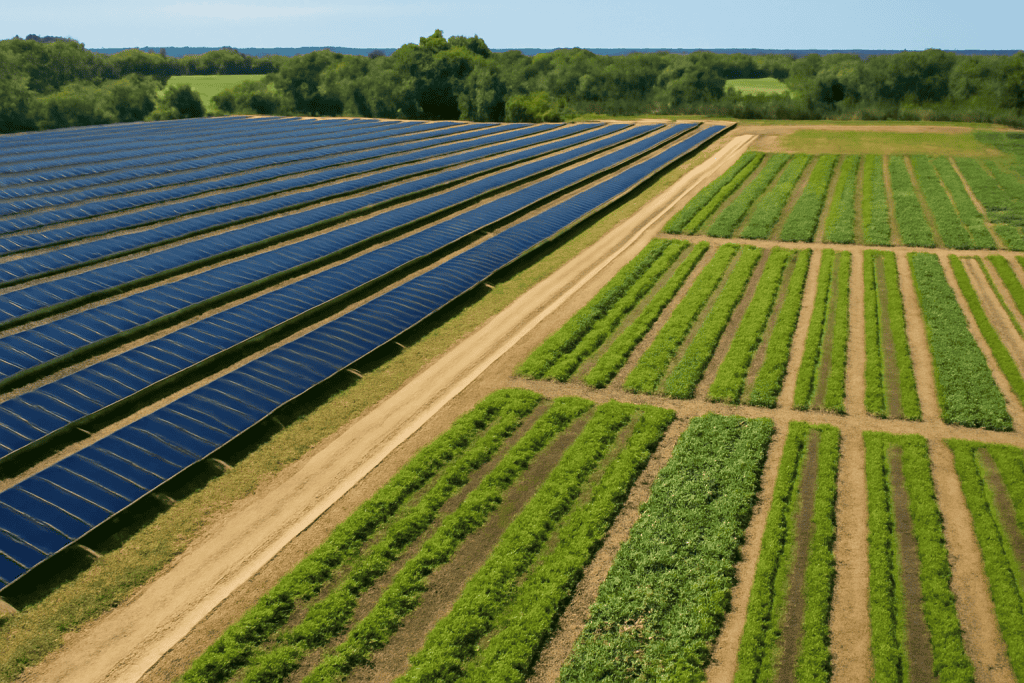
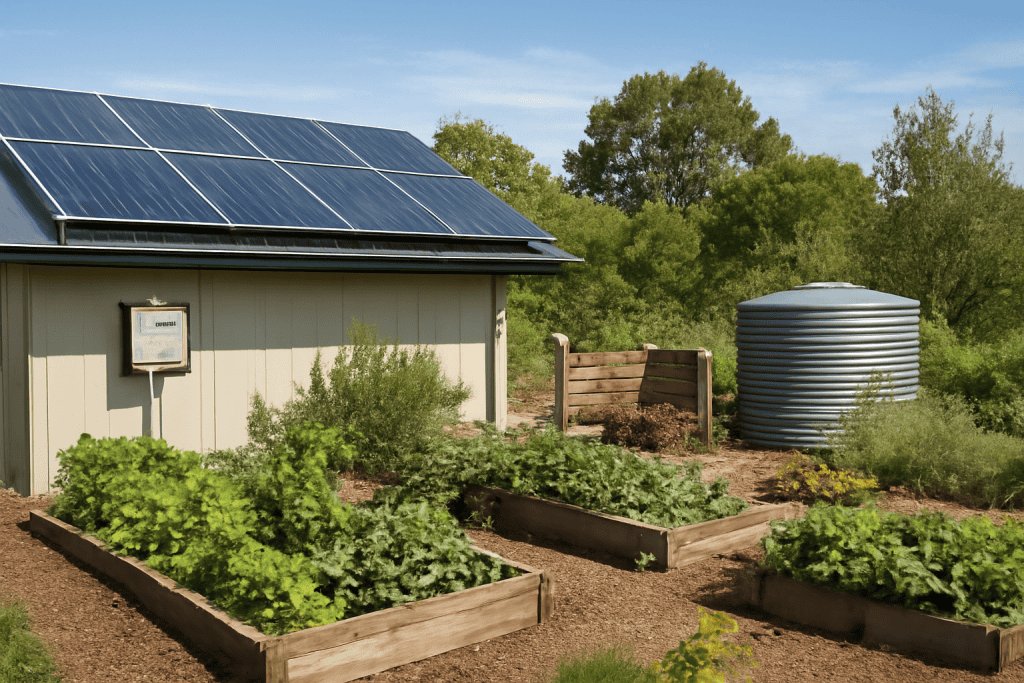
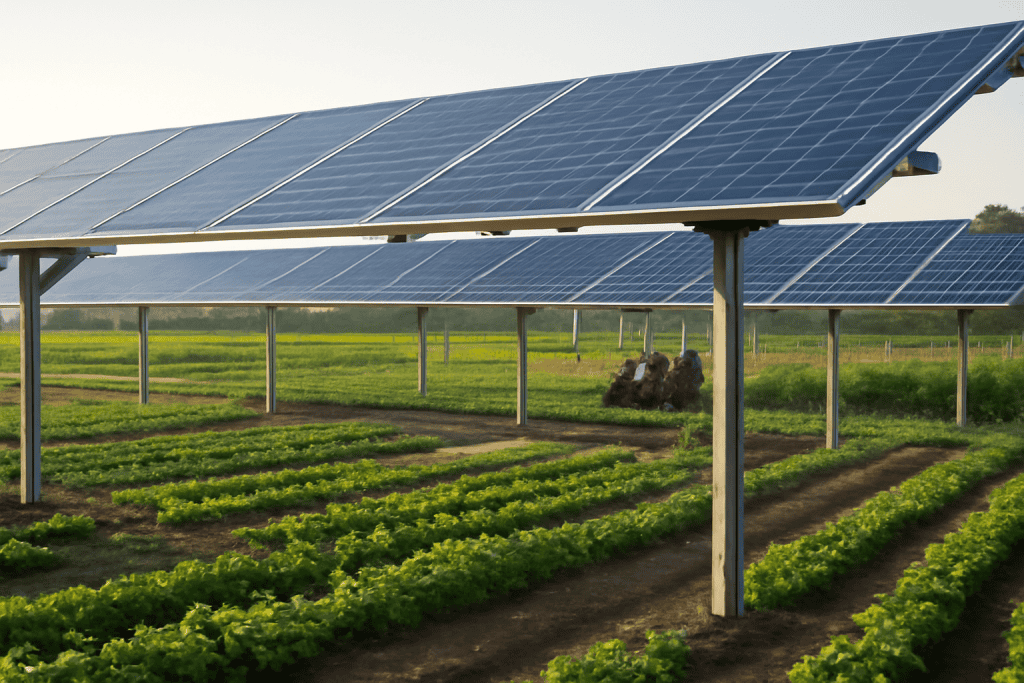
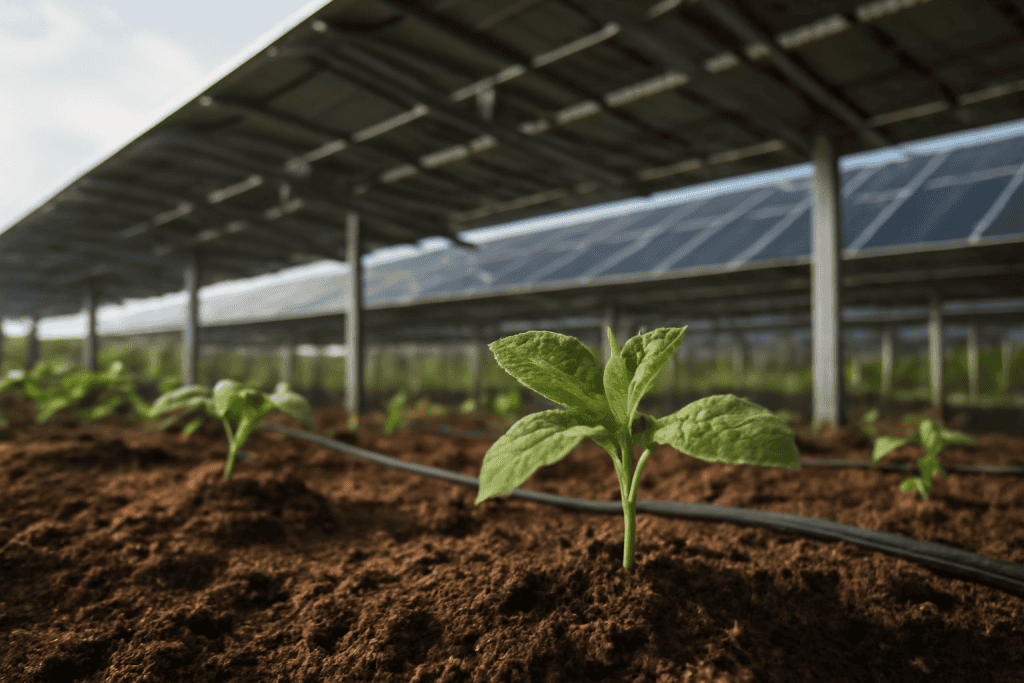
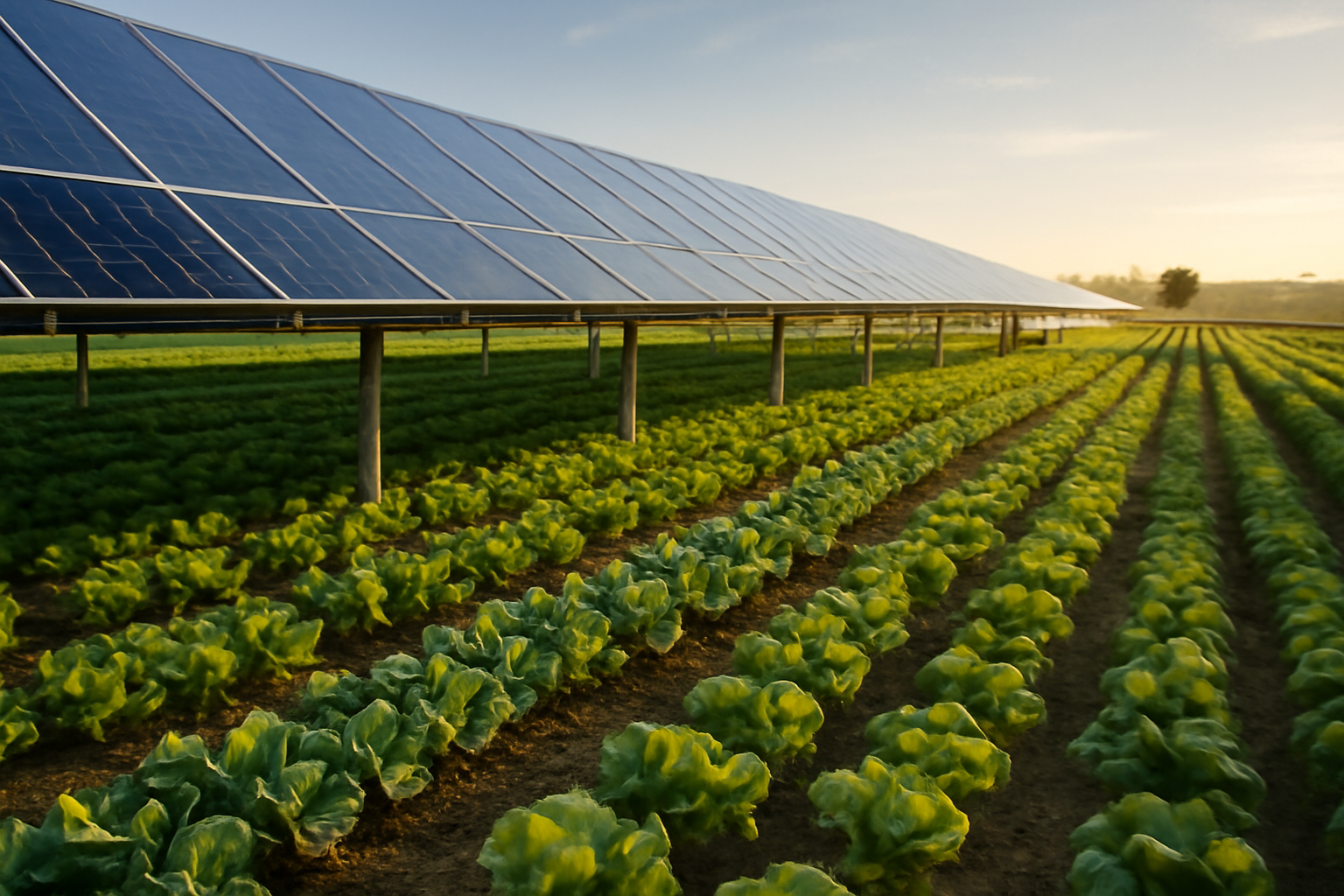
Optional subscriptions to a garden box service provide 18 deliveries annually of locally grown seasonal vegetables, integrating agrivoltaic principles—where solar panels are arranged to allow sufficient sunlight for underlying crops—thus optimizing land use and diversifying benefit streams.
Typical CAPEX for a 10 MW solar farm in Central and Eastern Europe currently ranges between €700,000 and €900,000 per MW, covering photovoltaic modules, string or central inverters, steel mounting structures, civil works, grid connection equipment, and permits. OPEX averages around 1.5-2.5% of CAPEX annually, factoring regular preventive maintenance, inverter replacements over a 15-20 year project life, insurance premiums, and administration. These figures inform Solar Plus Garden’s financial modelling.
Project governance limits the Garden community to 3,000 parcels, maintaining manageable community scale, service responsiveness, and operational quality without compromising agrivoltaic productivity or solar farm output consistency.
Assessing Risks in Solar Farm Investment: Regulatory and Market Considerations
The dual legal structure—Estonian OÜ as holding company and Serbian DOO as operating entity—provides clear ownership, risk partitioning, and regulatory compliance. Estonia’s corporate governance standards ensure transparency and investor protections, while Serbian regulatory frameworks, including grid connection regulations and licensing procedures, govern solar project operations.
Regulatory risk factors include potential adjustment or removal of feed-in tariffs, auction outcomes, or subsidy schemes overseen by Serbian energy authorities and monitored for compliance under EU directives, which could alter project revenues. Market risks entail fluctuations in wholesale electricity prices affecting PPA valuations and shifts in competing renewable technologies’ deployment.
Technical risks focus on solar panel degradation rates—typically 0.5% to 0.8% efficiency loss per year—and inverter failure probabilities mitigated through scheduled maintenance and performance monitoring. Solar Plus Garden employs a payment and escrow model consistent with international best practices to safeguard invested capital against unauthorized diversion, requiring multi-party approvals for fund disbursement.
Step-by-Step Process for Joining Solar Farm Investments in 2026
- Registration: Investors submit applications via the Solar Plus Garden platform, providing verified personal or corporate documents.
- KYC/KYB Compliance: Mandatory identity checks ensure adherence to anti-money laundering regulations and investor eligibility.
- Investor Journey: Participants enter a waiting list or select Garden membership options, registering preference for investment pathways.
- Investment Selection: Investors designate amounts and investment type (equity share or guaranteed payout), aligning with their risk-return objectives.
- Payment Processing: Funds are transferred through secured, verified payment channels integrated with escrow accounts, subject to audit.
- Approval and Onboarding: Affiliate program participants and direct investors receive application decisions within 48 hours, facilitating prompt entry into the investment vehicle.
This process ensures compliance with legal and financial regulations, preserving investor rights and enabling transparent communication throughout investment phases.
Comparing Solar Farm Investing With Other Renewable Energy Options
- Solar funds offer diversification within the solar sector, whereas energy funds may include wind, hydro, or bioenergy assets, each with differing intermittency profiles and regulatory frameworks.
- Agrivoltaic systems, such as those in Solar Plus Garden, use spatial configurations for solar panels that optimize both solar power generation and agricultural yield, improving land-use efficiency by 20-40% compared to mono-use plots.
- Community solar initiatives lower entry barriers, allowing investors or consumers to purchase or lease portions of a solar asset, delivering moderate returns tied to output credits and utility savings, ideal for those seeking exposure with reduced capital.
Solar Plus Garden’s combination of community solar investment and agrivoltaic membership enhances value through both energy revenues and the delivery of 18 seasonal vegetable boxes, demonstrating tangible benefits of solar integration beyond pure electricity generation.
Local Market Influences: Solar Farm Investment Landscape in Estonia and Serbia
Solar Plus Garden’s Estonian OÜ holding company, established in February 2026, benefits from Estonia’s streamlined corporate and reporting requirements, while the Serbian DOO manages solar park construction and operation under Serbian regulatory frameworks.
In Serbia, grid connection is regulated by the Energy Agency of the Republic of Serbia, with licensing aligned to Rulebooks for grid connection permits and technical standards for PV installations. These evolving standards affect project timelines and CAPEX budgets.
Tax regimes differ by jurisdiction, with incentives such as accelerated depreciation and VAT exemptions applicable under specific conditions in Serbia, while Estonia offers an investor-friendly environment with access to EU markets.
Regional demand for renewable energy in the Balkans is driven by EU Green Deal policies and security concerns prompting national strategies targeting at least 30% renewables by 2030. Such market signals support the business case for solar farm investments like Solar Plus Garden.
Outlook: Trends Shaping Solar Farm Investment Opportunities Beyond 2026
- Capacity Growth: Advances in photovoltaic module efficiency are reaching upwards of 23-25% for commercial monocrystalline silicon panels, reducing levelized costs of electricity (LCOE) and improving project IRR metrics in upcoming solar park developments.
- Solar Stock and Energy Funds: Market valuations remain sensitive to policy changes and technology adoption rates; investing in solar-related equities and diversified energy funds offers exposure to sector growth with liquidity advantages over direct project investments.
- Community Solar and Agrivoltaic Expansion: Integrated models like Solar Plus Garden’s planned capacity of 10 MW solar power paired with 3,000 Garden parcels demonstrate scaling feasibility, enhancing ESG outcomes that increasingly influence institutional investor mandates.
Frequently Asked Questions
What is the minimum investment required to participate in Solar Plus Garden’s solar farm project?
The minimum investment starts at €500, supplemented by a one-time €200 Garden community membership fee. Subscribers may also opt for the €20 per month Garden box service providing 18 vegetable deliveries annually.
How does the Garden membership relate to solar investment returns?
Garden membership fees finance both solar project capital expenditures and community activity costs, linking investor returns from solar power revenue streams to funded community engagements and agrivoltaic benefits.
What regulatory protections are in place to safeguard investor funds in 2026?
Funds are held under a controlled escrow mechanism, with disbursements requiring multi-party approval to prevent misuse. The legal structure and compliance with anti-fraud regulations reinforce investor protection.
Can I access the Garden community without direct solar investment?
Yes. Non-investor members may join through payment of the community membership fee, supporting solar funding and community operations while gaining access to agrivoltaic services and social initiatives.
Conclusion
Investing in solar power projects in 2026 requires evaluation of transparent, legally sound structures that integrate financial returns with tangible environmental and community benefits. Solar Plus Garden’s 10 MW solar farm combined with a diversified Garden membership model offers property owners, project developers, and investors a scalable, community-backed solar investment aligned with contemporary market and regulatory dynamics.
Considerations include reviewing ownership governance via the Estonian OÜ and Serbian DOO entities, ensuring rigorous fund management through escrow, and aligning investment pathways with individual risk profiles—whether via direct equity or guaranteed payouts.
Staying current on photovoltaic technology trends, renewable energy market forces, and innovative investment vehicles like community solar and agrivoltaics is essential for maximizing the benefits of solar farm investing and contributing effectively to the energy future.