









How Solar Asset Management Platforms Optimize Renewable Energy Investments
Key Functions of Solar Asset Management Platforms in Monitoring Solar Energy Assets
Solar asset management platforms offer essential operational oversight for solar energy assets by collecting and analyzing data from components such as photovoltaic (PV) panels, inverters, and energy storage systems in real-time. These platforms enable continuous monitoring of solar assets, allowing service providers and asset owners to maintain high visibility into system status and performance.
Data acquisition intervals commonly range from 5 seconds to 15 minutes, enabling detailed tracking of system behavior and prompt detection of anomalies. For instance, inverters deployed often comply with the IEC 61850 communication protocol, a recognized standard that facilitates standardized and interoperable data exchange between monitoring platforms and electrical devices within solar farms.
Core platform features include:
- Data Collection: Direct measurement of PV module output, inverter efficiency, and battery charging parameters form the basis for assessing asset performance and operational health.
- Dashboard Integration: Interactive dashboards aggregate key performance indicators (KPIs) such as current power output (kW), capacity factor, inverter efficiency ratios, and active alarm notifications. These dashboards provide near real-time visibility and historical trends essential for operational transparency.
- Predictive Maintenance: Using trend analysis algorithms based on data series from inverter temperature, string voltage, and irradiance, platforms forecast component degradation or imminent failures. This predictive capability enables scheduling maintenance interventions before faults propagate, reducing unplanned downtime.
- Automation: Automatic alerts trigger when sensor readings deviate beyond predefined thresholds—for example, drop in inverter output exceeding 5% without corresponding change in irradiance—facilitating swift troubleshooting. Additionally, platforms automate routine maintenance scheduling and generate corrective action recommendations.
Together, these functions ensure asset management in solar energy remains proactive, improving operational uptime and maximizing energy yield from solar farms and distributed energy assets.
Measuring and Optimizing Solar Asset Performance Through Analytics and Automation
Data consolidation at intervals typically spanning 30 minutes or finer provides the temporal granularity necessary for analytics modules to deliver actionable insights. These modules analyze aggregated data streams to identify performance irregularities and optimize financial returns on renewable energy assets.
Key analytic features include:
- Underperformance Detection: Analytics compare expected energy output against actual production using performance ratio calculations adjusted for site-specific irradiance and temperature data from on-site pyranometers and meteorological sensors. This enables identification of underperforming PV strings or cells, often pinpointing issues such as soiling, shading, or partial module failure.
- Automated Alert Systems: Alerts based on thresholds in energy output, inverter fault codes, or battery discharge irregularities are generated automatically and can be configured to trigger within 5 minutes of anomaly detection, ensuring rapid operational response.
- Energy Yield Modeling: Platforms incorporate localized solar resource data calibrated against historical production using Machine Learning (ML) techniques to establish baseline expectations. Models adjust predictions for meteorological variances and degradation over time to benchmark asset efficacy.
- Revenue Optimization: Analytics integrate real-time or day-ahead energy market prices and feed-in tariff schedules to inform dispatch decisions. For assets with integrated energy storage, these models optimize charge-discharge cycles to maximize revenue by dispatching energy during peak price windows.
Monthly performance and revenue reports generated by these analytics support strategic planning and identify opportunities to improve operational efficiency and financial returns through targeted maintenance or system upgrades.
Scalability and Integration Challenges in Managing Large Solar Portfolios
Managing solar portfolios exceeding 10 MW and comprising multi-site distributions requires platforms engineered for scalability, capable of integrating data from heterogeneous hardware ecosystems. Portfolios above 50 MW typically involve equipment from over 10 inverter brands, diverse battery manufacturers, and varying communication protocols including Modbus TCP/IP, DNP3, and IEC 61850 extensions.
Comprehensive data normalization processes harmonize disparate measurement units, timestamp formats, and event types across sites to maintain consistent performance metrics and reporting quality.
A cloud-based, scalable architecture featuring flexible Application Programming Interfaces (APIs) and distributed data management frameworks enables centralized operational oversight and unified analytics regardless of site geography. This allows asset managers to process gigabytes of telemetry daily and provide near real-time asset performance visibility.
Integration challenges include:
- Legacy system interoperability requiring interfacing layers or middleware solutions to bridge proprietary protocols and vendor-specific APIs.
- Normalization and standardization of incoming data streams to prevent discrepancies due to heterogeneous data formats.
- Implementation of cybersecurity frameworks compliant with international standards such as ISO/IEC 27001 to safeguard sensitive operational data and ensure regulatory compliance across jurisdictions.
Effective resolution of these challenges is essential to maintain scalability, data integrity, and robust operational workflows within extensive solar asset portfolios.
Regulatory and Compliance Considerations for Solar Asset Management Software
Solar asset management software must align with regulatory regimes governing data privacy, electrical grid integration, and reporting, particularly within the European Union and Serbia. Compliance with the General Data Protection Regulation (GDPR) mandates strict controls for processing, storing, and transmitting personal and operational data associated with investors and project assets.
Grid codes established by transmission system operators (TSOs) often require renewable generation data reporting at intervals ranging from 15 minutes to hourly, which platforms must accommodate. This ensures appropriate grid balancing and facilitates participation in ancillary service markets where applicable.
Technical standards impacting device accuracy and reliability include calibration norms for irradiance sensors and inverters, guided by protocols such as IEC 61724 for performance monitoring of PV systems. Adherence to these standards guarantees data validity for operational control and auditing.
For projects spanning multiple regulatory jurisdictions, compliance may extend to impact and reliability criteria outlined by bodies such as the North American Electric Reliability Corporation (NERC) when applicable, ensuring secure grid integration of renewable assets.
Non-compliance risks include financial penalties, compromised reputations, and operational delays, which asset management platforms mitigate by embedding compliance checks and audit-ready reporting tools within their software suites.
Operational Workflow Enhancements Through Automated Solar Asset Management
Automation capabilities in solar asset management platforms significantly streamline workflows by reducing manual oversight and expediting fault resolution processes. Automated fault detection employs pre-configured threshold logic such as inverter efficiency dips below 90% or rapid temperature increases, triggering alerts typically within 3 to 10 minutes of detection.
Integrated features include remote diagnostics using inverter communication protocols to retrieve fault codes and performance parameters, enabling service providers to remotely troubleshoot and, where possible, rectify issues without dispatching technicians on-site immediately.
Platforms automate dispatch workflows by linking fault detection to maintenance scheduling modules, factoring technician availability, priority ranking based on fault severity, and geographical logistics. Preventive maintenance routines are planned and adjusted dynamically based on continuous performance data trends, ensuring inspections focus on components with early signs of degradation.
Empirical case studies report workflow automation reducing mean time to respond (MTTR) by 20-30%, which translates into enhanced uptime, stabilized system performance, and improved revenue reliability for solar energy investments.
The Role of Asset Management Platforms in Supporting Community-Based Solar Investments
Community solar investment models, exemplified by Solar Plus Garden’s platform, depend on transparent linkage between asset monitoring outputs and investor engagement facilitated by solar asset management software. Platforms here support up to 3,000 parcels or shares, each representing discrete investor stakes correlated to corresponding solar asset outputs.
This granular association enhances investor confidence by providing verifiable, real-time performance reports and enabling automatic calculation and distribution of revenue or community benefits pro rata to ownership shares.
The platforms also incorporate membership fee management functions, aligning community participation payments with ongoing operational expenses funded through solar energy revenue streams. Governance tools integrated within the software support community rules enforcement and communication workflows.
Compliance with transparency and sustainability reporting standards ensures that community projects meet regulatory obligations and provide stakeholders relevant impact metrics, such as CO₂ emissions avoided or kWh generated, reinforcing investor trust and regulatory adherence.
Future Trends: Incorporating Energy Storage and Agrivoltaics into Solar Asset Management
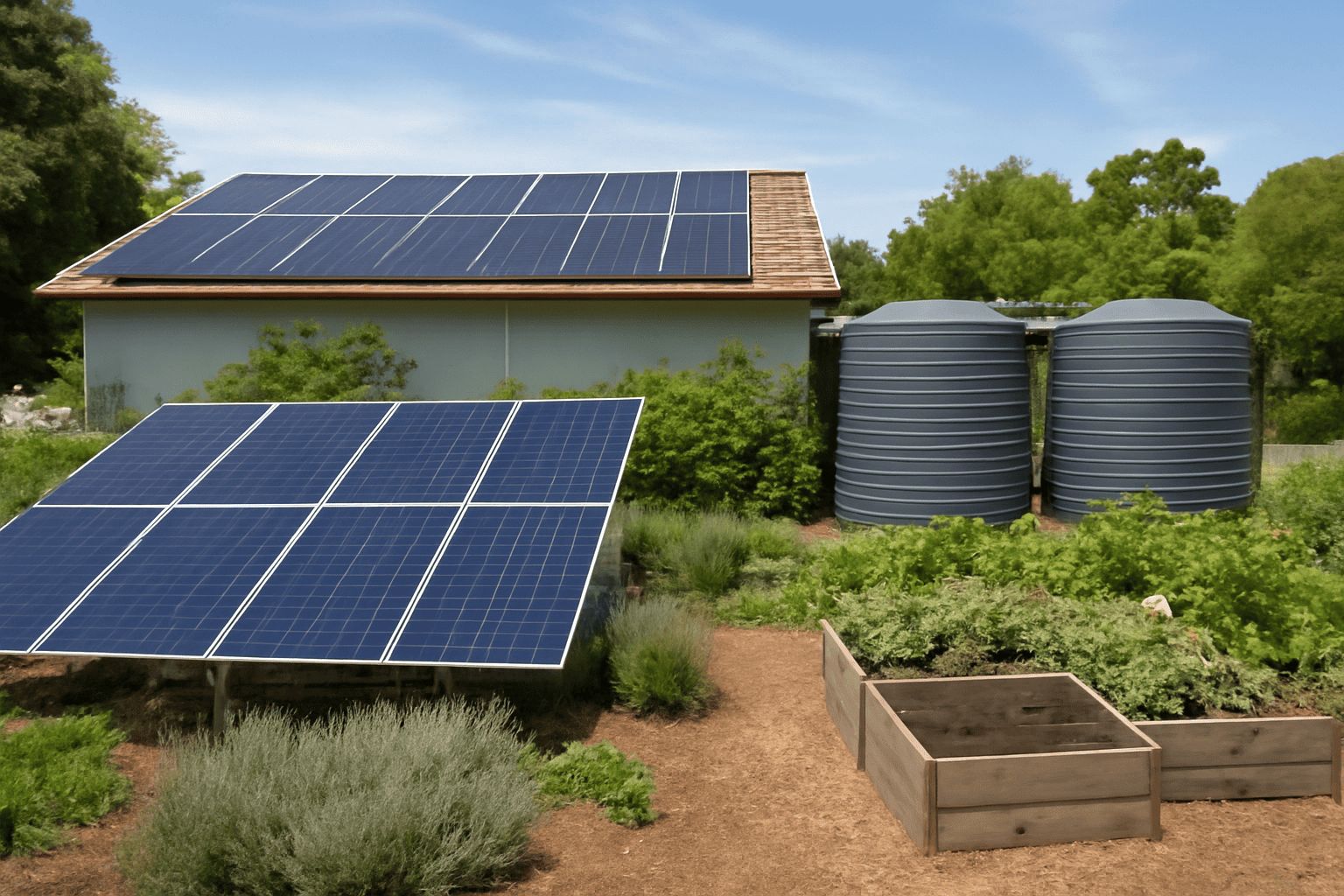
The trajectory for solar asset management software encompasses expanded support for hybrid renewable assets, particularly energy storage systems and agrivoltaic installations. Battery management features increasingly conform to standards such as IEC 62933, which detail state-of-charge measurements, cycle life analytics, and safety monitoring protocols.
Agrivoltaic integration requires monitoring not only traditional PV metrics but also biophysical parameters including soil moisture content, ambient humidity, and local microclimate variations captured via IoT sensor nodes embedded within crop zones.
Operational algorithms must coordinate dual-output optimization—maximizing energy production while maintaining or enhancing agricultural yield. This involves complex dispatch models that balance energy storage charge cycles with crop growth needs, factoring irrigation schedules and shading effects of PV arrays.
While energy storage management functionalities are already approaching commercial maturity with wide vendor adoption, agrivoltaic system integration within asset management platforms is expected to become mainstream by 2028. Continued advances in scalable cloud architectures and modular software design remain critical to accommodate these emergent complexities across diversified renewable energy portfolios.
Frequently Asked Questions
- What distinguishes solar asset management platforms from basic monitoring solutions?
- Solar asset management platforms incorporate advanced analytics, automated workflows, and predictive maintenance capabilities that extend beyond basic data display. They provide real-time insights, actionable alerts, and support for portfolio-wide oversight, enabling operational efficiency and financial optimization absent in simple monitoring tools.
- How do these platforms support predictive maintenance for solar farms?
- By continuously monitoring inverter temperatures, output fluctuations, and string-level performance, the platforms use historical trend analysis and anomaly detection algorithms to predict equipment degradation. Early warnings allow maintenance teams to schedule interventions preemptively, reducing unscheduled outages and extending asset lifespans.
- Can community solar investment models like Solar Plus Garden leverage these platforms effectively?
- Yes, these platforms enable transparent mapping of solar asset outputs to individual investor shares, automate revenue allocation, and support compliance with transparency regulations, all critical for sustaining member trust and operational governance within community solar models.
- What are the main integration challenges when scaling a solar asset portfolio on management software?
- Challenges include standardizing data from diverse inverter and energy storage manufacturers, integrating legacy systems with modern cloud platforms, ensuring uniform key performance metrics across sites, and implementing robust cybersecurity measures to protect centralized asset monitoring infrastructure while maintaining scalability.
Conclusion
Property owners, project developers, and investors aiming to optimize solar asset investments must consider solar asset management platforms equipped for current and anticipated operational demands. Platforms enabling scalable integration, advanced analytics, predictive maintenance, and comprehensive monitoring across hybrid portfolios—including energy storage and agrivoltaic systems—are positioned to enhance both operational efficiency and financial outcomes.
Assessing platforms based on compatibility with existing equipment, portfolio size, community stakeholder features, and regulatory compliance capabilities is essential to effective decision-making. The balance of automated workflows, real-time data processing, and scalable architecture will determine platform suitability for evolving renewable energy asset management needs in 2026 and beyond.