






Evaluating Solar Investment Swaps: A Detailed Guide for Informed Decision-Making
How Solar Investment Swaps Function Within Clean Energy Markets
Solar investment swaps are financial instruments that exchange cash flows linked to the operational performance of solar assets. These swap contracts enable market participants—including solar developers, institutional investors, and energy producers—to transact based on pre-agreed contract terms tied to solar power projects’ electricity generation and related revenues.
Typically, a solar investment swap references a notional principal connected to a quantified solar capacity, measured in megawatts (MW), and sets payment intervals such as quarterly or semi-annual settlements. For example, payment obligations within a six-month period are calculated based on verified megawatt-hours (MWh) produced by the underlying solar power asset. Measurement uses metered output data, verified against grid operator or independent third-party reports.
Technology platforms that support energy trading and swap agreements provide functionalities such as automated contract execution, real-time production data reconciliation, and secure escrow-based payment processing. These platforms comply with relevant financial market technology standards (for instance, ISO 20022 for payment messaging) and integrate with solar asset monitoring SCADA (Supervisory Control and Data Acquisition) systems to ensure transparency and trustworthiness of swap settlements.
The swap ecosystem coordinately involves:
- Solar developers: responsible for constructing and managing solar power projects with capacities that may span from several hundred kilowatts to multi-megawatt installations like Solar Plus Garden’s 10 MW facility.
- Institutional investors: entities such as pension funds and green investment funds that seek exposure to solar energy through swap contracts rather than direct asset ownership, reducing capital lock-in and operational risk.
- Energy producers: operators who administer daily performance, ensuring consistent solar asset operation and delivering certified production volume data critical for accurate swap contract settlement.
These participants operate under standardized contract terms referencing industry-accepted definitions of solar production metrics (e.g., IEC 61724 standard for solar plant performance monitoring) to ensure consistency in swap agreement execution.
Market Dynamics and Pricing Mechanisms in Solar Investment Swaps
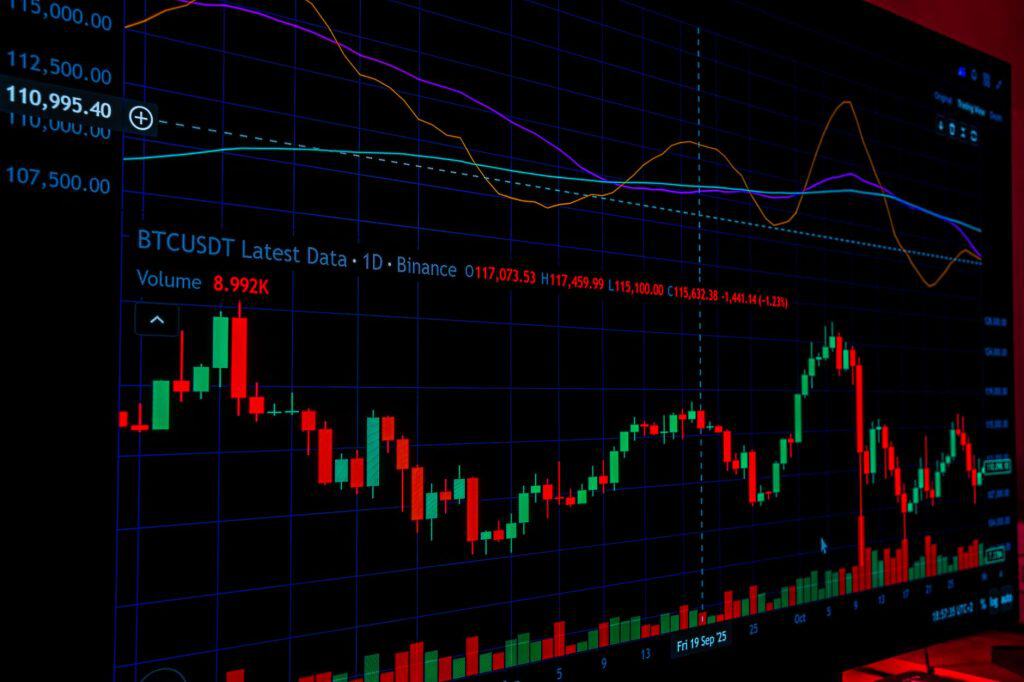
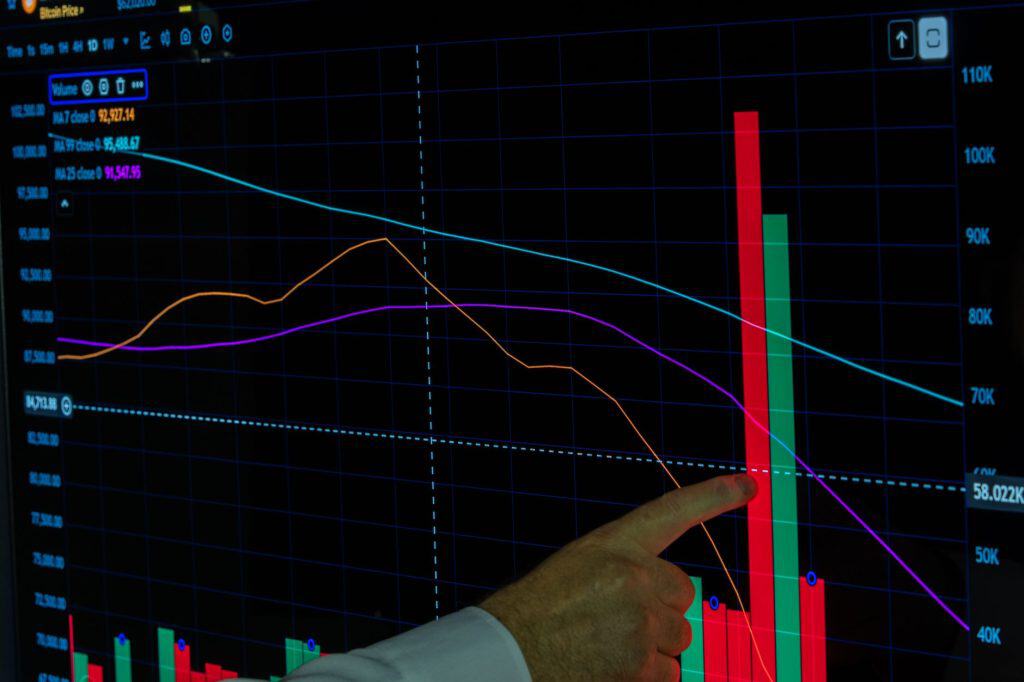
Swap valuation in solar energy markets depends principally on the variability of solar asset output, which follows predictable diurnal and seasonal patterns but fluctuates due to weather anomalies and maintenance schedules. Market dynamics affecting price volatility include solar irradiance variability, regional grid demand, and renewable energy certificate (REC) pricing where applicable.
Pricing models use historical and forecasted solar irradiance data integrated over rolling 12-month periods to smooth output variance, employing Monte Carlo simulations or time-series forecasting methods. Volatility indexes, such as those deriving from the S&P Global Clean Energy Index, provide risk premiums factored into swap pricing to account for expected output uncertainty and market risk.
Hedging strategies incorporated by market participants include overlay swaps or options designed to offset price fluctuations and reduce credit risk exposure. Asset diversification strategies spread swap agreements across solar power projects sited in geographically distinct locations—mitigating region-specific weather risk and operational downtime impacts on overall portfolio performance.
Market liquidity—defined by trading volume and bid-ask spread metrics on clean energy financial platforms—directly influences swap contract costs. Higher liquidity attracts competitive pricing, whereas limited contract availability escalates bid-ask spreads, increasing transaction costs. Current clean energy derivatives markets show variable liquidity depending on regional regulatory maturity and renewable energy capacity penetration.
Power purchase agreements (PPAs), frequently structured with tenors of 10-20 years and fixed or escalating tariffs, provide a baseline revenue certainty for solar assets underpinning swap contracts. This revenue certainty reduces pricing uncertainty in swaps by anchoring expected cash flows. Additionally, regulatory policies such as renewable portfolio standards (RPS) or feed-in tariffs affect snapshot valuation by altering anticipated incentive structures and project economics within relevant jurisdictions.
Legal and Regulatory Framework Governing Solar Investment Swaps
Solar investment swaps are regulated under derivative and energy market frameworks, which combine financial market oversight and renewable energy sector compliance. For instance, in the European Union, Markets in Financial Instruments Directive (MiFID II) governs derivative trading transparency and investor protection, while renewable energy projects must adhere to the Renewable Energy Directive (RED II) compliance for sustainable operation.
Solar Plus Garden’s legal structuring involves an Estonian OÜ managing swap agreements under Estonia’s Financial Supervision Authority’s directives effective from 2026. These include reporting obligations aligned with ESMA guidelines ensuring swap contract transparency and investor disclosure compliance. In parallel, the Serbian DOO entity must conform to Serbia’s Company Law and energy sector regulations that govern renewable energy project finance, contractual enforcement, and taxation.
Payment and escrow models integral to swap contracts hold funds in regulated third-party-controlled accounts, guaranteeing that distributions correspond to verified solar capacity output and adhere to the contract’s cash flow model. Escrow administration follows standards comparable to those applied in regulated financial custodianship and internal controls compliant with International Financial Reporting Standards (IFRS).
Key legal considerations encompass:
- Mandatory disclosure of solar project finance details, swap valuation methodologies, and risk factors within investor documentation compliant with EU Prospectus Regulation where applicable.
- Contract terms designed for enforceability under jurisdiction-specific laws, with clear arbitration or court-based dispute resolution mechanisms detailed per UNCITRAL Model Law guidelines.
- Explicit structural separation between ownership of solar assets (Estonian OÜ and Serbian DOO) and community membership platforms (separate legal entities), mitigating conflicts of interest and ensuring transparency in fund flows and governance.
These frameworks create a legally compliant environment for solar investment swaps that align with evolving regulatory policies up to mid-2026 and beyond.
Risk Factors and Mitigation Strategies Specific to Solar Investment Swaps
Participants in solar investment swaps face financial and operational risks:
- Price volatility: Fluctuations in solar capacity output due to weather variability and shifts in renewable energy market prices cause cash flow variability, affecting swap valuations.
- Credit risk: Counterparty default risk arises if one party fails to meet financial obligations, potentially leading to unsettled swap payments.
- Solar capacity performance risk: Equipment degradation, grid curtailments, or maintenance downtime may reduce delivered MWh below forecasted levels, impacting expected swap cash flows.
Mitigation approaches include collateralization, with typical thresholds requiring a minimum margin of 10% of the notional swap value to be held as security against default risk. Contractual provisions enforce periodic collateral calls adjusted to mark-to-market valuations using settlement data verified through independent metering.
Portfolio diversification across multiple solar plants with geographically dispersed locations reduces exposure to local environmental or operational disruptions. Solar Plus Garden applies escrow-based payment custody within its community-driven platform, linking swap settlements to verified solar output and enforcing strict distribution controls preventing fund diversion.
Detailed contract provisions specify settlement timelines, penalties for non-performance, and mandated use of standardized International Swaps and Derivatives Association (ISDA) protocols adapted for renewable energy-specific considerations. Risk management also monitors evolving regulatory policies, with mid-2026 updates requiring ongoing compliance and adjustment to contract terms as necessary to maintain effective investor protections.
Financial Benefits and Portfolio Diversification Through Solar Investment Swaps
Solar investment swaps offer liquidity and cash flow management advantages, enabling investors to gain exposure to solar energy returns without direct asset acquisition or operational involvement. By engaging swap agreements, investors avoid complexities such as asset maintenance and property rights while accessing financial returns dependent on solar capacity performance.
The Solar Plus Garden platform facilitates investments from minimum entry points starting at €500, offering two distinct financial return pathways: a long-term equity share granting proportional ownership of the solar project’s cash flows, or a guaranteed payout structure providing fixed returns with limited exposure to operational variability. Both options accommodate different investor risk profiles and return expectations.
Investment diversification is achieved through aggregation across multiple solar projects and swap contracts, enabling rebalancing within an investment portfolio aligned with sustainability goals and the broader energy transition roadmap. This diversification reduces dependency on single-asset performance and smooths exposure to price volatility and regional regulatory variations.
Członkostwo w społeczności fees, such as the €200 one-time fee, finance ancillary activities including agrivoltaic operational costs and regenerative local food production, creating a nexus of financial and social value. This integrated approach supports stable income streams from solar power alongside enhanced community engagement, thereby improving the overall investment returns and sustainability impact.
Profiles of Market Participants in Solar Investment Swaps and Their Roles
The solar investment swap market comprises market participants with distinct roles:
- Institutional investors: These entities allocate capital via swap agreements for exposure to clean energy markets, seeking diversified financial returns and supporting renewable energy growth.
- Solar developers: They design, construct, and maintain solar power projects forming the operational basis for swap contracts.
- Energy producers: Tasked with operational management, performance monitoring, and delivering certified production data essential for swap contract valuation and settlement.
- Community members: Engage through membership models funding community-driven agrivoltaic initiatives, blending solar energy funding with local food production and social sustainability goals.
Solar Plus Garden’s platform integrates these participants under a regulatory-compliant framework, executing swap agreements through technology platforms that ensure secure payments and transparent reporting. Its program partnerski incentivizes growth by offering a 3% commission on successful investment referrals, thereby enhancing market liquidity and expanding investor participation.
Educational outreach and investor communications foster informed decision-making, supporting continuous engagement and transparent solar project finance disclosures.
Impact of Solar Investment Swaps on Renewable Energy Growth and Sustainability
Solar investment swaps contribute to the scaling of renewable energy projects by mobilizing small and medium investors into clean energy financing instruments. Solar Plus Garden’s 10 MW solar plant illustrates how swap agreements enable capital flows into solar power infrastructure without necessitating direct asset ownership, simplifying investment participation and accelerating the energy transition to lower carbon emissions.
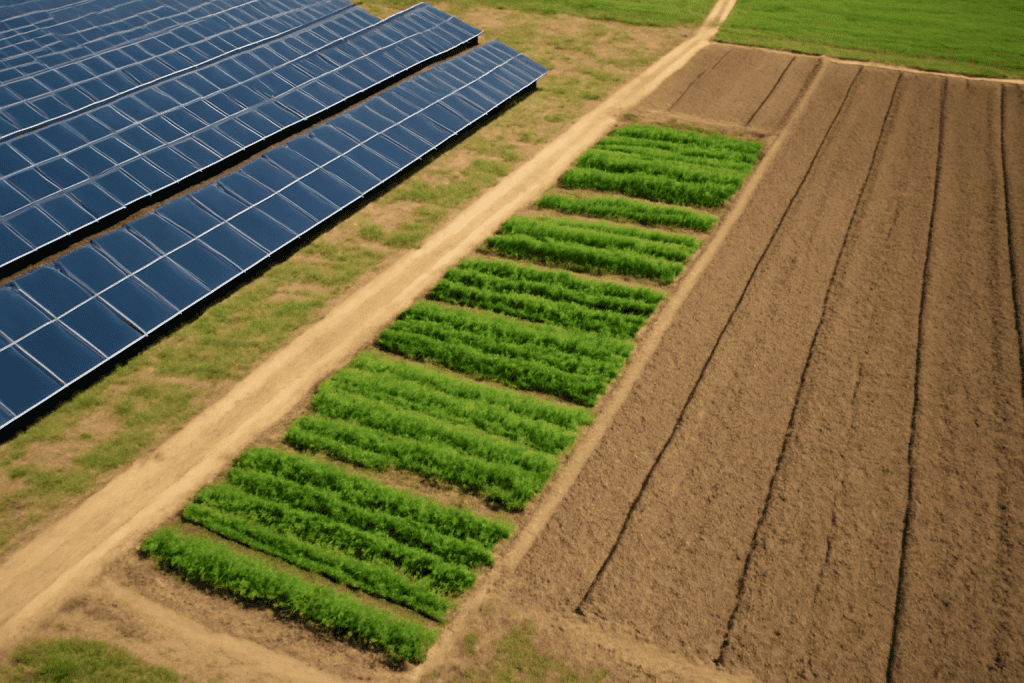
This financial instrument model democratizes access to solar energy investments and supports diverse sustainability goals—environmental, social, and economic—through integrated community and agrivoltaic programs that deliver tangible local benefits such as fresh produce distribution from up to 3,000 community garden plots.
By linking renewable energy generation with community agricultural initiatives, the model fosters regenerative practices and local economic development, creating a replicable blueprint for future projects aiming to combine solar energy production with sustainable land use.
Często zadawane pytania
What are the minimum investment requirements for participating in solar investment swaps through Solar Plus Garden?
Investors can engage with minimum investments starting from €500 within the Solar Plus Garden platform. They may choose between long-term equity shares entitling them to proportional solar asset cash flows or a guaranteed payout investment model. Access to the community Garden platform requires a separate €200 one-time membership fee, which supports operational and community activities.
How do solar investment swaps manage the risks associated with solar production variability?
Risk management is implemented through contract terms incorporating verified solar output data, escrow-controlled payments ensuring funds correspond to actual production, and portfolio diversification across multiple geographically dispersed solar assets to mitigate localized generation shortfalls.
Are solar investment swaps regulated differently across Solar Plus Garden’s Estonian and Serbian operational entities?
Yes, Solar Plus Garden operates two distinct legal entities: an Estonian OÜ subject to Estonia’s Financial Supervision Authority regulations and a Serbian DOO governed by Serbian company and energy laws. Both entities maintain investor-ready legal and payment structures compliant with their respective jurisdictions to ensure consistent investor protections and contractual enforceability.
Can I participate in the Garden community without direct investment in the solar project?
Yes, the Członkostwo w ogrodzie model is independent of direct solar project investment. By paying a membership fee, community members gain access to local agrivoltaic initiatives funded by solar energy returns, enhancing social engagement without requiring direct exposure to swap contracts or solar asset ownership.
Wniosek
Solar investment swaps provide a structured, regulated financial instrument enabling access to solar energy market returns while managing risk through diversified exposure and credit protections. Stakeholders and prospective investors should evaluate contract terms, regulatory policies, and community integration as integral factors in their decision-making.
Monitoring evolving market trends, price volatility metrics, and legal frameworks will remain essential due to ongoing regulatory updates and shifts in renewable energy incentives. Interested parties may advance by joining Solar Plus Garden’s waiting list, reviewing comprehensive swap documentation, and selecting membership or investment pathways aligned with their financial goals and sustainability commitments.