










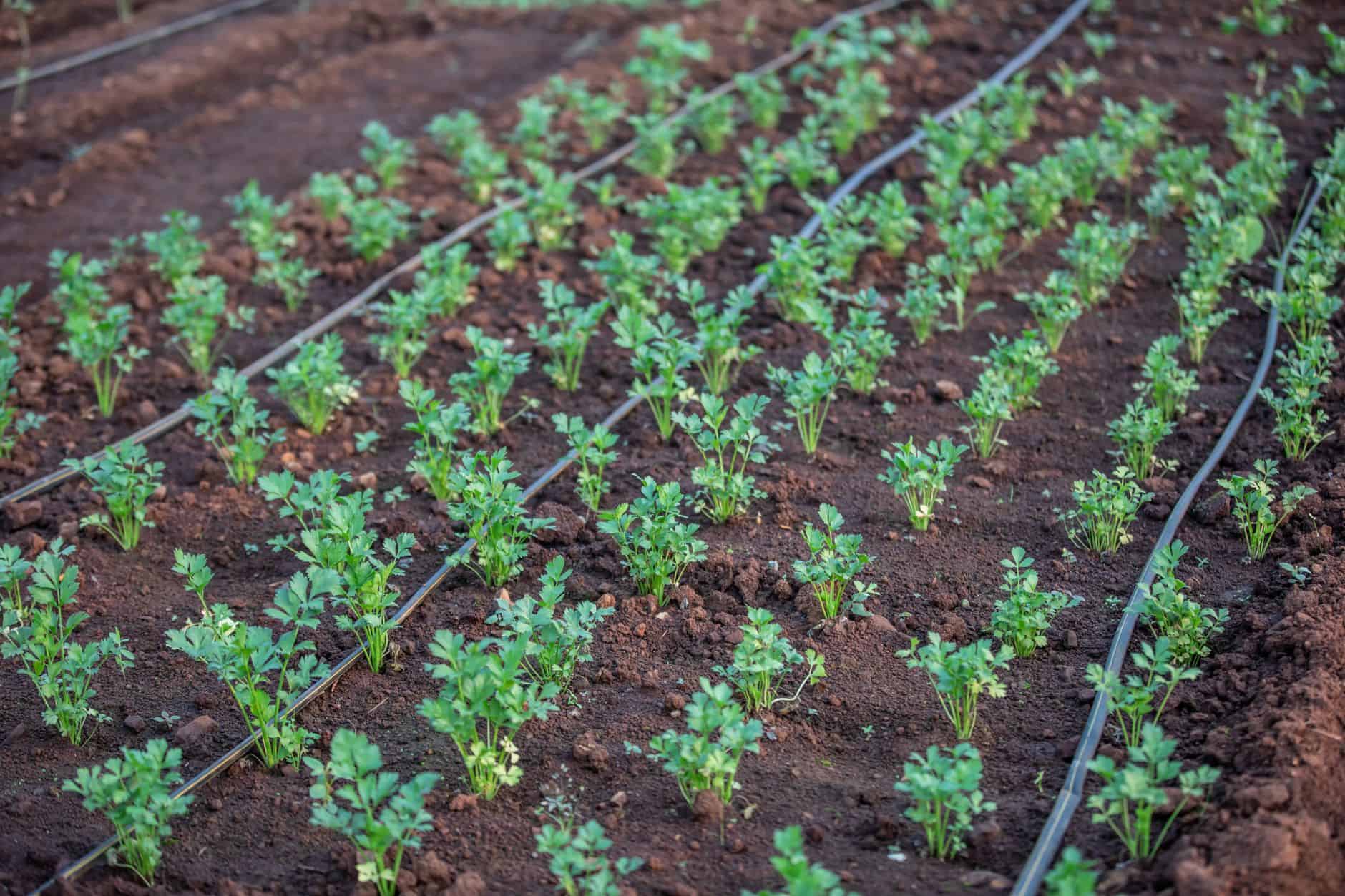
How Organic Soil Management Enhances Soil Health and Crop Productivity

Defining Organic Soil and Its Role in Soil Health
Organic soil contains typically over 20% soil organic matter by weight, composed of decomposed plant and animal residues rich in organic carbon compounds. This contrasts with mineral soils, which generally have less than 5% organic matter and consist mainly of inorganic minerals like sand, silt, and clay. Soil organic matter is critical for sustaining soil health through its influence on physical, chemical, and biological properties.
Soil organic matter drives soil respiration, the microbial breakdown of organic substrates releasing CO2, measured as an indicator of microbial biomass and activity. Enhanced microbial activity, fueled by soil organic carbon, accelerates nutrient cycling processes that convert organic nutrients into plant-available forms, particularly nitrogen and phosphorus. Soil organic matter also improves aggregate stability by binding mineral particles, reducing erosion risk and increasing pore space for root growth and water retention.
By acting as a nutrient reservoir, organic soil facilitates sustained nutrient release throughout the growing season. It also modulates soil moisture by increasing water-holding capacity, which buffers crop roots against drought stress. These functions collectively maintain soil health parameters—biological activity, chemical fertility, and physical structure—that directly support crop productivity across diverse organic and conventional systems.
Measuring Soil Health Through Soil Tests: Indicators for Organic Soil Management
Accurate soil testing is fundamental for managing soil organic matter and optimizing soil fertility in organic systems. Essential soil tests include:
- Soil organic matter content: Quantified by loss-on-ignition (LOI) or dry combustion methods, providing a percentage by weight that indicates carbon reservoirs relevant for nutrient retention and microbial substrate availability.
- Soil pH: Measured in a 1:2.5 soil-to-water suspension or 1 M KCl solution, critical for assessing nutrient solubility; optimal ranges for most crops are between 6.0 and 7.0.
- Nitrogen levels: Including total nitrogen by Kjeldahl or Dumas method, and mineral nitrogen species (ammonium and nitrate) through colorimetric or ion chromatography techniques.
- Macro- and micronutrient availability: Extracted via standard methods such as Mehlich-3 or Olsen P for phosphorus, ammonium acetate for potassium, and DTPA for micronutrients like iron, zinc, and manganese.
Best practices involve soil sampling at least once annually, preferably pre-planting and post-harvest, using composite samples from 15-20 random points per hectare to capture spatial variability. Adherence to protocols such as those outlined by the USDA NRCS or local agriculture extension services ensures reproducibility and comparability of test results.
Interpreting soil test data guides organic amendments including compost and cover crops to rectify nutrient deficiencies. Nitrogen-specific tests also inform timing and rates of organic fertilizer application to align nitrogen mineralization rates with peak crop uptake periods, minimizing nitrogen losses by leaching or volatilization.
Managing Soil Organic Matter to Improve Soil Fertility
Soil organic matter (SOM) comprises three fractions contributing differently to soil fertility:
- Stable fraction: Humified organic compounds resistant to microbial decay, persisting for decades and enhancing soil structure and long-term carbon sequestration.
- Slow fraction: Particulate organic matter decomposing over months to years, providing a steady nutrient supply.
- Active fraction: Labile compounds including microbial biomass and fresh plant residues, turning over rapidly (days to weeks) and driving nutrient cycling and microbial activity.
Organic soil management practices shown to increase SOM by approximately 0.1% to 0.3% annually (with cumulative changes of 0.3% to 1.0% in 3 to 5 years) under temperate climates include:
- Cover cropping: Use of legumes such as hairy vetch or crimson clover to fix atmospheric nitrogen at rates between 50 to 150 kg N/ha per season, in addition to providing biomass that contributes organic carbon inputs.
- Compost application: Incorporation of matured compost with a carbon-to-nitrogen (C:N) ratio between 10:1 and 20:1, applied at rates of 10–30 tonnes per hectare annually to augment SOM and supply macro- and micronutrients.
- Reduced tillage: Conservation of surface residues and minimization of soil disruption to prevent oxidation and loss of SOM, combined with practices such as strip tillage or no-till compatible with organic systems.
Increased SOM enhances nutrient retention through improved cation exchange capacity (CEC), typically by 5 to 15 meq/100 g soil in soils enriched with organic matter, reducing nutrient leaching losses. Water-holding capacity associated with SOM gains can rise by 1 to 2% volumetric water content, improving drought resilience. Higher SOM also promotes soil aggregation, increasing porosity and root proliferation, factors that directly influence crop growth and yield stability.
Nitrogen Dynamics in Organic Soil Management
Nitrogen in the soil under organic management is supplied primarily through biological fixation and mineralization, governed by microbial activity sensitive to soil temperature and moisture regimes.
Key nitrogen sources include:
- Leguminous cover crops: Species such as red clover (Trifolium pratense) and hairy vetch (Vicia villosa), which fix atmospheric nitrogen through Rhizobium symbiosis. Fixation rates vary by species and management but range typically from 50 to 150 kilograms N per hectare annually.
- Compost and organic fertilizers: Nitrogen contents depend on feedstock composition and maturity; nitrogen is mineralized by soil microbes from organic nitrogen forms into ammonium (NH4+) and nitrate (NO3–) over weeks to months.
The nitrogen mineralization rate is influenced by soil temperature, moisture, and C:N ratio of organic inputs. Mineralization timelines follow an approximate sequence: rapid release within 2–4 weeks for active fractions, followed by slower release over 3–6 months from more stable organic pools. This staged availability enables synchronization with crop nitrogen demands when cover cropping and compost amendments are managed accordingly.
Management techniques to optimize nitrogen availability include selecting cover crop species with differing residue decomposition rates, timing residue incorporation to coincide with early crop growth stages, and applying compost with appropriate maturity levels to balance immediate and extended nitrogen release. These strategies reduce nitrogen losses by denitrification, volatilization, and leaching, thereby improving nitrogen use efficiency and minimizing environmental impact.
Optimizing Soil pH for Organic Crop Production
Soil pH critically affects nutrient solubility and microbial function in organic soil systems. The target pH range for most vegetable and grain crops lies between 6.0 and 7.0, where availability of essential nutrients such as phosphorus, potassium, calcium, magnesium, and micronutrients is maximized.
Organic pH adjustment practices include:
- Liming: Application of calcitic lime (CaCO3) or dolomitic lime (CaMg(CO3)2) to raise pH of acidic soils. Required rates depend on initial pH, desired target pH, and soil buffering capacity, typically ranging from 1 to 3 tonnes per hectare. Rate calculation often follows local guidelines or titration methods assessing soil exchangeable acidity.
- Organic acid amendments: Usage of humic substances, sphagnum peat, or acidifying plant residues to lower pH in alkaline soils, though adjustment downward is less common and slower due to soil buffering.
Regular monitoring through soil pH tests is essential every 6 to 12 months, particularly prior to planting seasons. Maintaining pH within the optimal range supports soil microbial communities involved in nutrient mineralization and organic matter decomposition, both critical for sustaining soil fertility under organic management.
Integrating Organic Soil Management into Agrivoltaic Systems
Agrivoltaic systems, such as the Solar Plus Garden 10 MW solar project combined with a garden/członkostwo w społeczności model, integrate solar energy production with organic soil and crop management. These systems create microclimatic variations under solar panels, which influence soil temperature, moisture, and sunlight availability affecting soil microbial dynamics and plant growth.
Organic soil management adaptations specific to agrivoltaic settings include:
- Enhancing soil moisture retention through application of organic mulches (e.g., straw, wood chips) and cover crops to mitigate increased evaporation and variable rainfall infiltration patterns caused by shading.
- Monitoring soil temperature fluctuations using in-situ sensors to adjust timing of organic amendment applications and cover crop planting, ensuring alignment with microbial activity peaks.
Field data from Solar Plus Garden pilot plots show that sustained soil organic matter inputs combined with strategic cover cropping under partial shading maintain or improve soil fertility indicators and crop yields. The community membership fee funds transparent management of soil and garden activities, providing financial resources and governance for coordinated agrivoltaic soil fertility practices.
Maintaining Long-Term Soil Fertility Through Organic Soil Management Cycles
Long-term soil fertility preservation in organic systems necessitates structured crop and soil management cycles encompassing nutrient replenishment and soil health monitoring. Recommended practices include:
- Crop rotation: Implementing sequences such as legume–cereal–root crop rotations over multiple years. This diversification balances nutrient demands, reduces pathogen buildup, and promotes soil organic carbon accrual.
- Green manures: Growth and incorporation of cover crops specifically grown for biomass and nitrogen input, replenishing soil organic matter and nitrogen stocks seasonally.
- Regular organic amendments: Scheduled application of compost or well-managed manure informed by soil test results, typically at intervals of 1–3 years depending on nutrient depletion rates and crop removal.
Agronomic research substantiates these practices in maintaining soil organic carbon levels and balanced nutrient availability, with rotational sequences significantly improving soil fertility indices compared to continuous monoculture.
Within the Solar Plus Garden framework, membership models enable pooled funding and coordinated implementation of these cycles. The integration of solar-powered irrigation and digital soil sensors further enhances precision soil management by enabling real-time monitoring of soil moisture, temperature, and nutrient status, optimizing input efficiency and sustainable crop nutrition.
Często zadawane pytania
- What soil tests are most important for monitoring organic soil health?
- Critical soil tests include measuring soil organic matter percentage through loss-on-ignition, pH by standard laboratory methods, total and mineral nitrogen content, and macro- and micronutrient availability assessed via extraction techniques such as Mehlich-3 and DTPA. These tests guide organic soil management decisions on nutrient amendments and pH adjustment.
- How does organic soil management improve crop nutrient availability?
- By increasing soil organic matter pools, organic soil management enhances nutrient retention and offers slow-release nutrient sources. It supports microbial populations responsible for nitrogen mineralization and other nutrient cycling processes, enabling nutrient release in synchrony with crop demand stages.
- Can organic soil management practices be integrated with solar farming or agrivoltaic projects?
- Yes, organic soil management adapts to agrivoltaic systems by maintaining soil fertility under variable light and moisture conditions caused by solar arrays. Solar Plus Garden’s community-investor model illustrates this integration, using funds to maintain organic soil fertility alongside renewable energy production.
- How frequently should organic soil properties be tested to ensure optimal management?
- Annual to biannual testing, ideally before planting and after harvest, is recommended to monitor changes in soil organic matter, pH, nitrogen, and nutrient status. This frequency supports timely and informed adjustments to organic soil management practices.
Wniosek
Implementing organic soil management practices based on detailed soil testing and targeted interventions improves soil health metrics such as nutrient cycling, soil organic matter content, pH balance, and microbial activity. These improvements translate to enhanced soil fertility and stable crop productivity.
Solar Plus Garden’s model, combining a 10 MW solar plant with a structured członkostwo w ogrodzie, provides a transparent, legally clear platform for funding and managing integrated organic soil management practices in agrivoltaic contexts. Ongoing monitoring and adaptation grounded in soil test data ensure sustained soil fertility and optimized nutrient cycling.
Continuous research and refinement in organic nutrient cycling and agrivoltaic system design remain essential to maximize both agricultural output and renewable energy generation on shared land resources.