








Evaluating Solar Investment vs Traditional Investments: Insights for Property Owners and Investors
Key Financial Metrics: Understanding ROI and Payback Period for Solar Investments
Return on investment (ROI) and payback period are central metrics for analyzing any investment option, including solar projects. For solar energy investments, ROI typically calculates the net profit generated by the solar plant relative to the initial capital expenditure over the investment duration, expressed as a percentage. This is distinguished from traditional stock market ROI, which fluctuates based on market prices, dividends, and interest payments influenced by economic conditions.
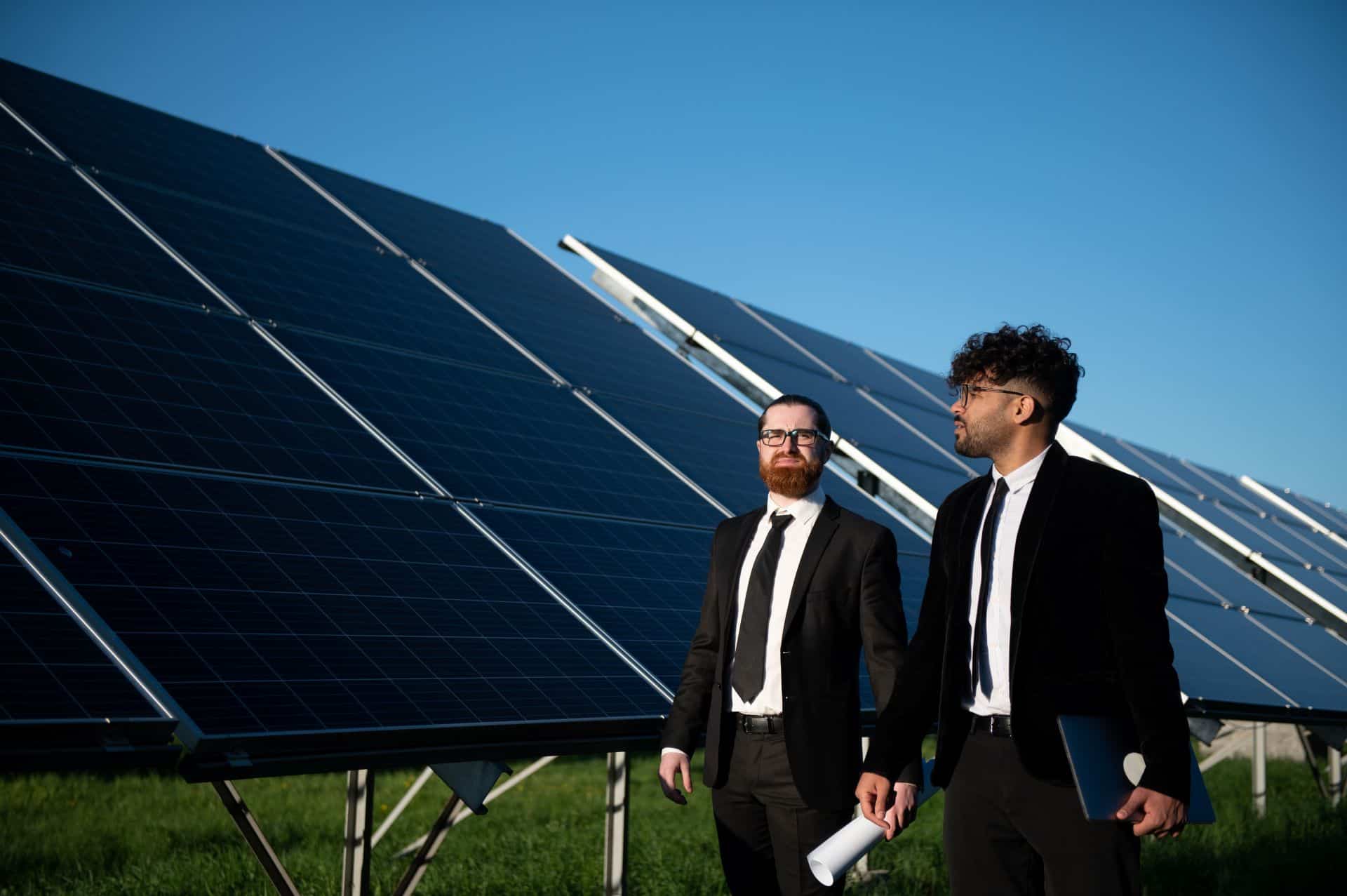
The payback period for utility-scale solar projects, such as Solar Plus Garden’s 10 MW solar project, generally ranges from 6 to 9 years. This estimation assumes current feed-in tariffs regulated by energy authorities, ongoing electricity retail rates for cost savings, panel degradation rates under 0.5% annually with monocrystalline solar panels, and average operations & maintenance (O&M) costs of 1-2% of CAPEX annually. Variations in local electricity prices and government incentives directly affect this payback timeline.
Solar Plus Garden provides investors with two primary financing options tailored to varying risk tolerances and financial goals:
- Equity share investment: Investors acquire ownership stakes and receive returns linked to the plant’s operational cash flow and profitability, reflecting real-time performance and solar ROI;
- Guaranteed payout model: A fixed-return option that provides contractually obligated payments over a defined period, enhancing predictability while reducing performance-related risk.
The equity share approach allows for upside exposure but entails variability in distributions. Conversely, the guaranteed payout option stabilizes cash flows, appealing to risk-averse solar customers seeking an investment option with controlled timing and amounts.
Additionally, the Garden membership model involves a one-time €200 membership fee plus an optional €20 monthly subscription for local fresh produce. While these fees do not directly generate financial ROI, they function as community investment mechanisms underpinned by solar project revenues, supporting operational sustainability and enhancing overall investor value by embedding lifestyle and ecological dimensions.
Risk Profiles: Comparing Stability and Volatility of Solar Energy Investments and Traditional Markets
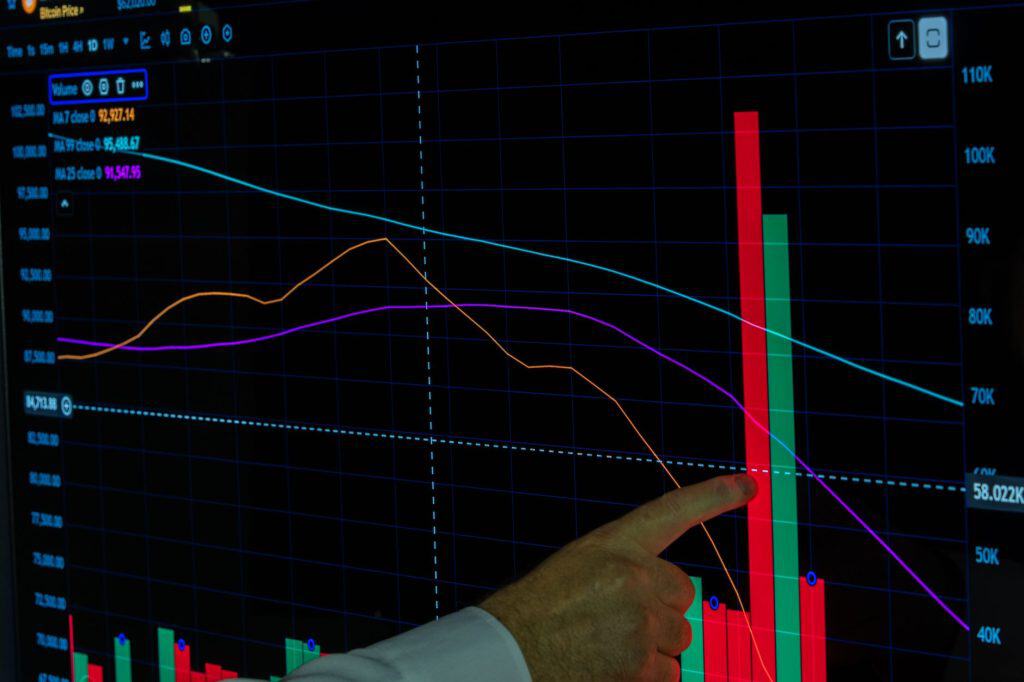
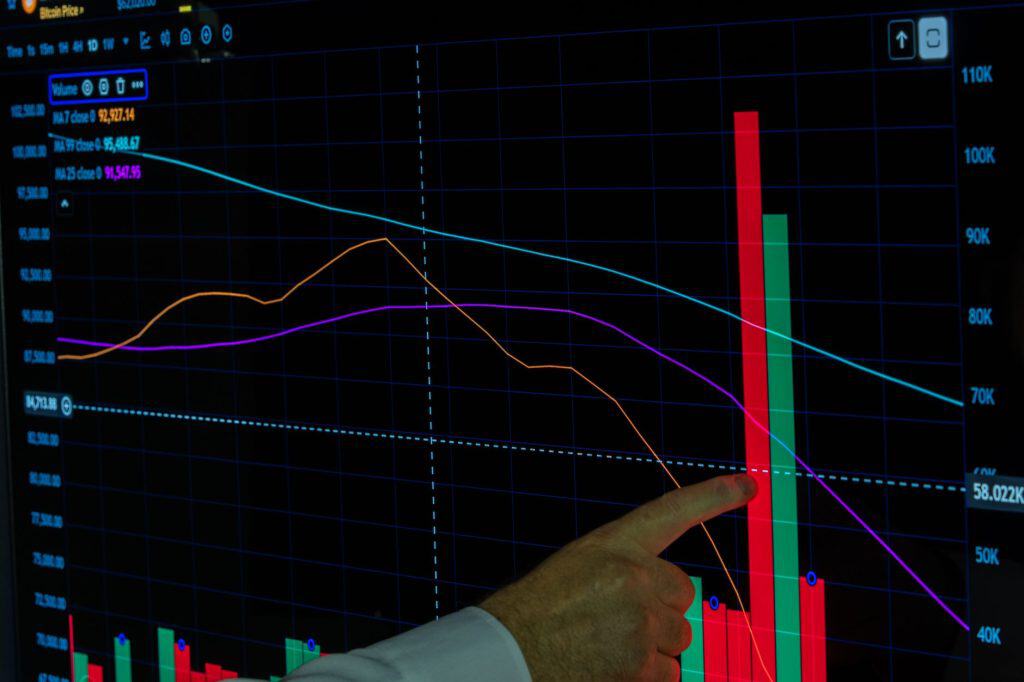
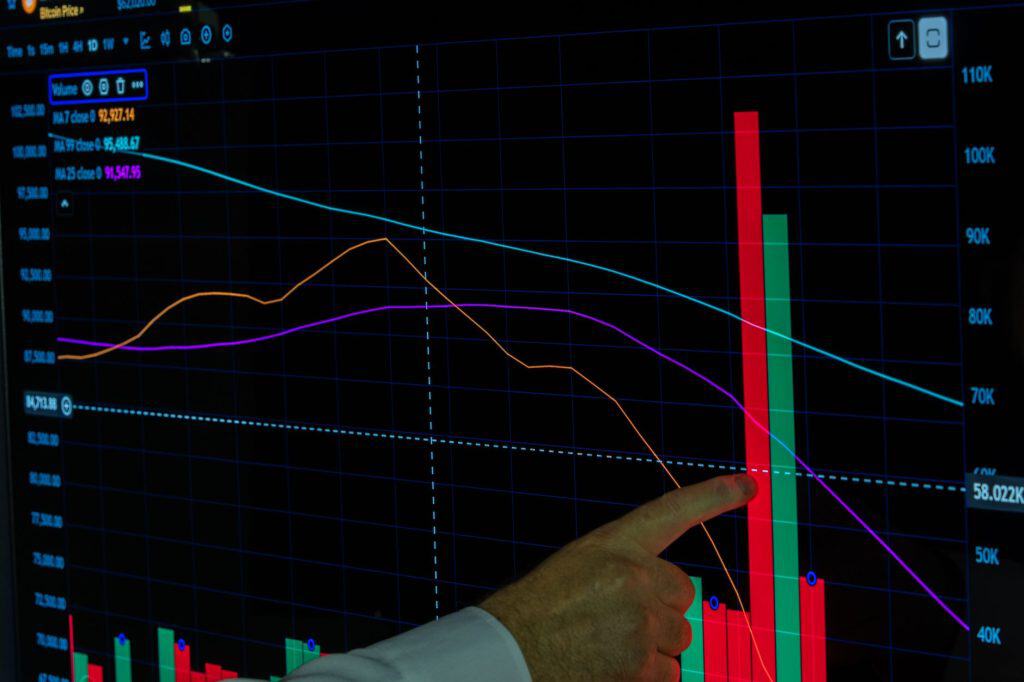
Volatility and risk exposure differ markedly between solar investments and traditional stock market investment. Stock markets are subject to high variability driven by macroeconomic indicators, geopolitical events, corporate financial health, and market sentiment. Equity valuations can fluctuate daily, with liquidity subject to prevailing market conditions.
Solar energy investments anchored by frameworks such as feed-in tariffs (FITs) and long-term power purchase agreements (PPAs) benefit from contractually fixed or formulaic revenue streams, typically spanning 15-20 years. These regulatory mechanisms substantially reduce price volatility and provide financial stability.
Solar Plus Garden acknowledges specific solar project risks, which include:
- Rischio normativo: Adjustments to tariffs, subsidy reductions, or policy reversals can impact revenue forecasts;
- Rischi operativi: Solar panel degradation, inverter downtime, and routine maintenance failures can reduce energy output and cash flow, requiring robust O&M protocols;
- Technological obsolescence: Rapid advances in solar panel efficiency and battery storage technologies may affect asset competitiveness and residual values over decades.
To mitigate these, Solar Plus Garden utilizes a legally structured bifurcation between the Estonian OÜ—holding company—and Serbian DOO operating entity, creating a risk compartmentalization that isolates financial liabilities and operational responsibilities. This structure aligns with prudent investment risk management practices seen in regulated infrastructure projects.
The transparent payment and escrow system guarantees that funds follow investor-approved flows. This prevents fund misuse and enforces control on expenditures during all project phases. Meanwhile, the appartenenza alla comunità aggregates investment exposure, diversifying individual risk and supporting administrative financial continuity.
Cash Flow Dynamics: How Solar Energy Generates Revenue Differently from Traditional Investments
Unlike dividends from stocks or coupon payments from bonds, cash flows from solar projects derive principally from the sale of generated electricity and cost savings from onsite energy use. Revenue streams include:
- Feed-in tariffs (FITs): Fixed per-kWh rates set by regulators, often guaranteed for 15 to 20 years, providing a predictable baseline revenue;
- Power purchase agreements (PPAs): Contracts with utilities or large consumers locking in prices for multiple years, mitigating market risk;
- Electricity cost savings: For investors with onsite demand, self-consumption reduces procurement from the grid, effectively generating equivalent cost reductions at retail rates;
Solar revenue fluctuates with technical performance, weather, and tariff adjustments but generally maintains consistency due to long-term contractual frameworks. Solar Plus Garden’s phased investment approach offers two distinct cash flow profiles:
- Equity shares (Phases 1 & 2): Variable cash flow reflecting operational profits distributed per ownership percentages;
- Guaranteed payouts (Phase 2): Contractually fixed payments easing investor cash flow planning.
The community membership fees are funded from solar project revenues and allocated to maintain garden activities, administrative expenses, and further community engagement, creating a feedback loop enhancing both financial stability and communal benefit.
Investment Accessibility and Community Engagement through the Solar Plus Garden Model
Entry barriers for solar energy investments are typically high due to substantial capital requirements. Solar Plus Garden lowers this threshold, enabling entry with a minimum investment of €500. This democratization aligns with the broader trend of fractional ownership models in renewable energy, expanding participation beyond institutional investors.
Separately, the Garden membership allows community access without solar investment, offering a €200 one-time fee plus an optional €20 monthly Fioriera subscription with 18 annual deliveries of fresh, regionally sourced produce. The community capacity is capped at 3.000 appezzamenti di terreno adibiti a giardino, balancing scalability with management feasibility and sustainability goals.
The platform features clearly defined payment methods and escrow arrangements, ensuring funds from membership and investment contributions are transparently allocated and protected. This transparency fosters investor and community confidence in fund stewardship and operational governance.
Comparative Environmental and Long-Term Value Benefits of Solar Investments vs Financial Assets
Solar energy investments provide environmental advantages not generally replicable through traditional financial assets—even those branded as ESG funds—due to the direct generation of renewable electricity and localized impact. Solar Plus Garden utilizes agrivoltaico, integrating solar panels with crop cultivation, improving land-use efficiency by harvesting solar power while supporting local food systems.
This dual land use can improve soil health, reduce irrigation requirements, and enhance biodiversity while delivering renewable energy. Such integration potentially supports property value appreciation by combining ecological stewardship with infrastructure investments.
Solar investments contribute to reduced reliance on fossil fuels and lessen exposure to volatile electricity markets. They provide a hedge against rising cost of electricity, which has seen upward trends in many EU countries due to geopolitical and supply constraints. By generating renewable power, these projects stabilize energy supply costs for participating communities and solar customers, reducing price shocks over time.
Legal and Structural Transparency Governing Solar Plus Garden Investments
Legal and operational clarity underpin Solar Plus Garden’s investment model. The Estonian OÜ, incorporated on 20.02.2026, acts as the holding company with formal payment and escrow mechanisms strictly defining fund flows. This approach eliminates ambiguities seen in traditional escrow-like arrangements by ensuring real escrow standards apply.
The Serbian DOO owns and operates the physical solar assets, maintaining responsibility for plant management and regulatory compliance within the local jurisdiction. This dichotomy isolates operational risks from investor capital holdings, exemplifying best practices in cross-border renewable energy investment structuring.
Investor documentation is updated through February 2026 and provides comprehensive disclosure of contractual rights, obligations, and risk profiles. Transparency standards applied meet the expectations of institutional investors and regulatory bodies across Europe, reinforcing capital protection and governance integrity.
Choosing Between Solar Investment and Traditional Stock Market: Decision Criteria for Investors
Evaluating solar investment vs traditional investments requires assessing several factors:
- Expected return consistency: Solar projects under existing FITs and PPAs typically generate stable ROI with documented payback periods of 6–9 years, while stock market returns average 7–10% annually but with higher volatility;
- Risk tolerance: Solar investments reduce exposure to market cycles but carry regulatory and operational risks, whereas equities encounter market, liquidity, and event risks more acutely;
- Investment horizon and liquidity: Solar investments usually demand longer holding periods, with limited secondary market options; stock investments offer daily liquidity;
- Diversificazione del portafoglio: Incorporating community-backed solar assets broadens risk exposure beyond financial markets into real assets with environmental impact;
- Value alignment: Sustainability and community engagement require investors to weigh non-financial benefits alongside financial returns;
- Governance and capital security: Solar Plus Garden’s established legal entity structure, escrow controls, and transparent investor communications constitute significant assurances compared to less regulated alternatives.
This decision matrix highlights how Solar Plus Garden’s investment option accommodates different investor profiles through explicit financing options, balancing predictability and growth potential.
Domande frequenti
- What is the typical ROI range for solar investments compared to stock market returns?
- Solar investments in projects like Solar Plus Garden’s 10 MW plant typically have payback periods of 6 to 9 years, influenced by regulated feed-in tariffs, solar panel efficiency degradation rates below 0.5% annually, and electricity retail prices. Traditional stock market average annual returns range 7-10% but with higher volatility. Solar investments trade some growth potential for increased predictability under regulatory frameworks.
- Can I access the Solar Plus Garden community without investing directly in the solar project?
- Yes. Community membership is available with a one-time €200 membership fee and an optional €20 monthly Garden Box subscription. This allows participants to benefit from fresh local produce and community activities funded by solar project revenues, independent of direct solar energy investment.
- What legal safeguards ensure my investment is protected in Solar Plus Garden’s model?
- Investments operate through an Estonian OÜ established in February 2026, featuring legally binding payment and escrow mechanisms that restrict unauthorized expenditures. The Serbian DOO entity owns and manages the solar plant, creating clear divisions of asset control and liability that help protect investor interests.
- How does investing in solar energy help mitigate rising electricity costs?
- Solar projects generate electricity sold at fixed rates or consumed onsite, reducing reliance on grid electricity subject to volatile cost of electricity fluctuations. This provides investors with a hedge by ensuring stable revenue or savings that counterbalance future electricity price increases driven by market or geopolitical factors.
Conclusione
For property owners, project developers, contractors, and investors evaluating options for capital allocation, understanding the nuanced financial metrics, risk characteristics, cash flow structures, and community integration of solar investment is essential. Solar Plus Garden’s 10 MW solar plant, combined with a community membership model, offers a regulated, transparent, and investor-ready investment option featuring defined ROI pathways, risk compartmentalization through legal structuring, and co-benefits from agrivoltaic integration.
Investors seeking stable returns supported by clear governance frameworks and opportunities for sustainable community engagement can consider solar energy a distinct alternative to traditional stock market participation. However, evolving regulatory environments, electricity market dynamics, and technological advancements require ongoing diligence to ensure solar ROI remains competitive and the investment strategy aligns with investor objectives over the project lifespan.
Letture correlate
- Opportunità di investimento in impianti solari nel 2026: cosa devono sapere i proprietari di immobili e gli investitori
- Monocrystalline Solar Panels: Key Insights for Investors and Property Owners in 2026
- Maximizing Value Through Solar Property Tax Exemption: A Practical Guide for Property Owners and Investors