






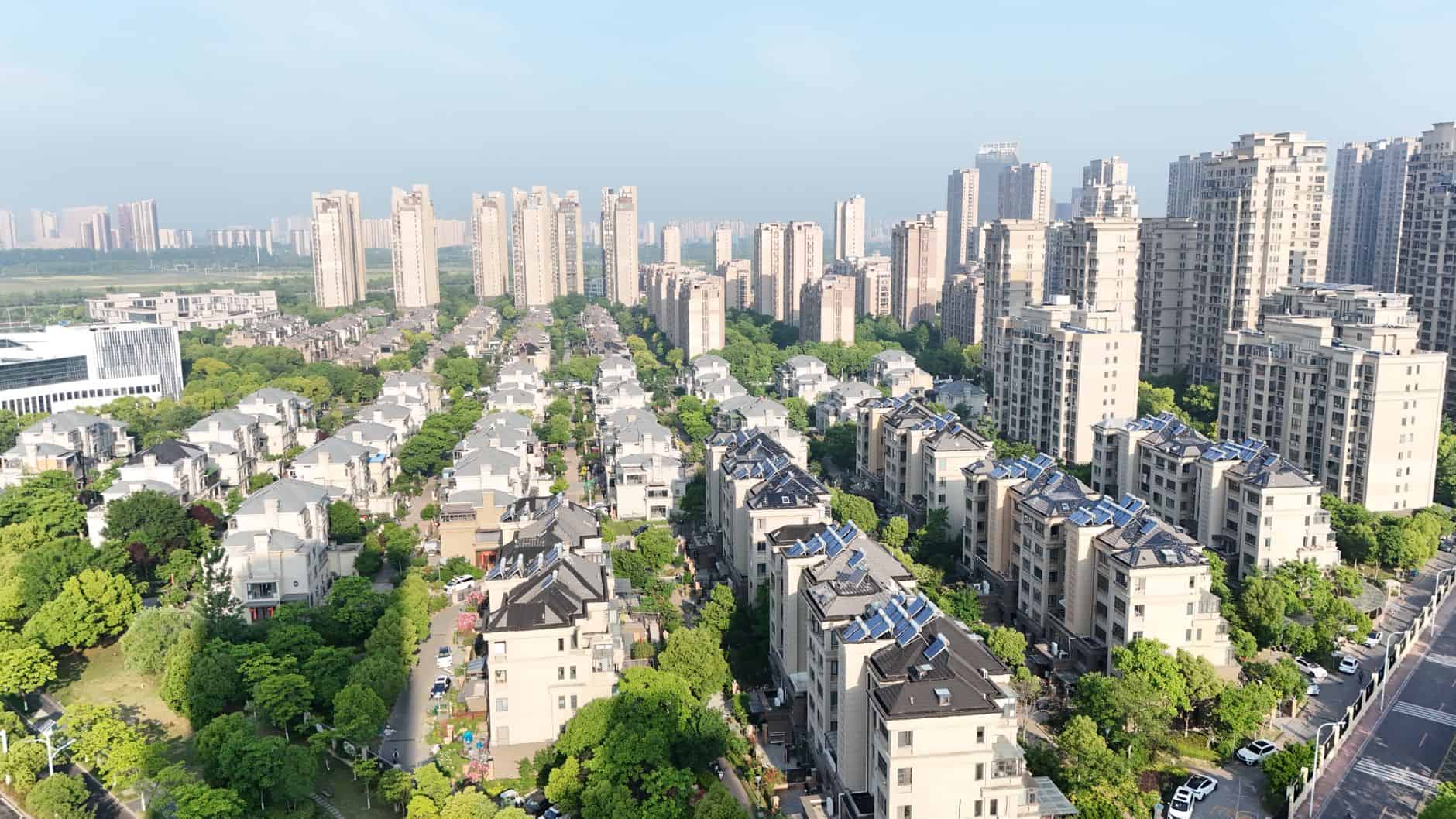
Evaluating Solar Investment vs Real Estate: What Fits Your Portfolio in 2026?
Understanding Solar Panels’ Impact on Residential and Commercial Property Value
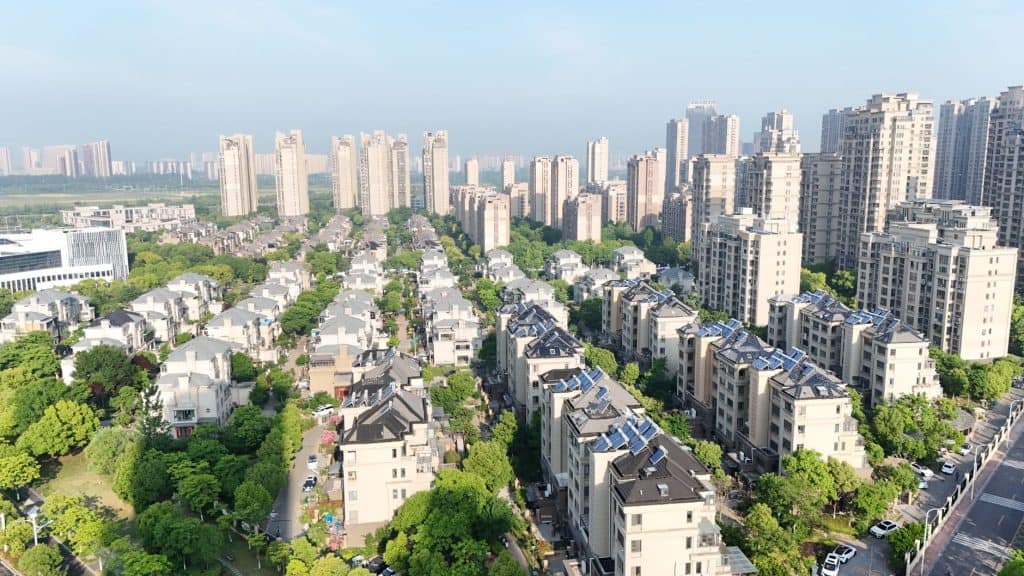
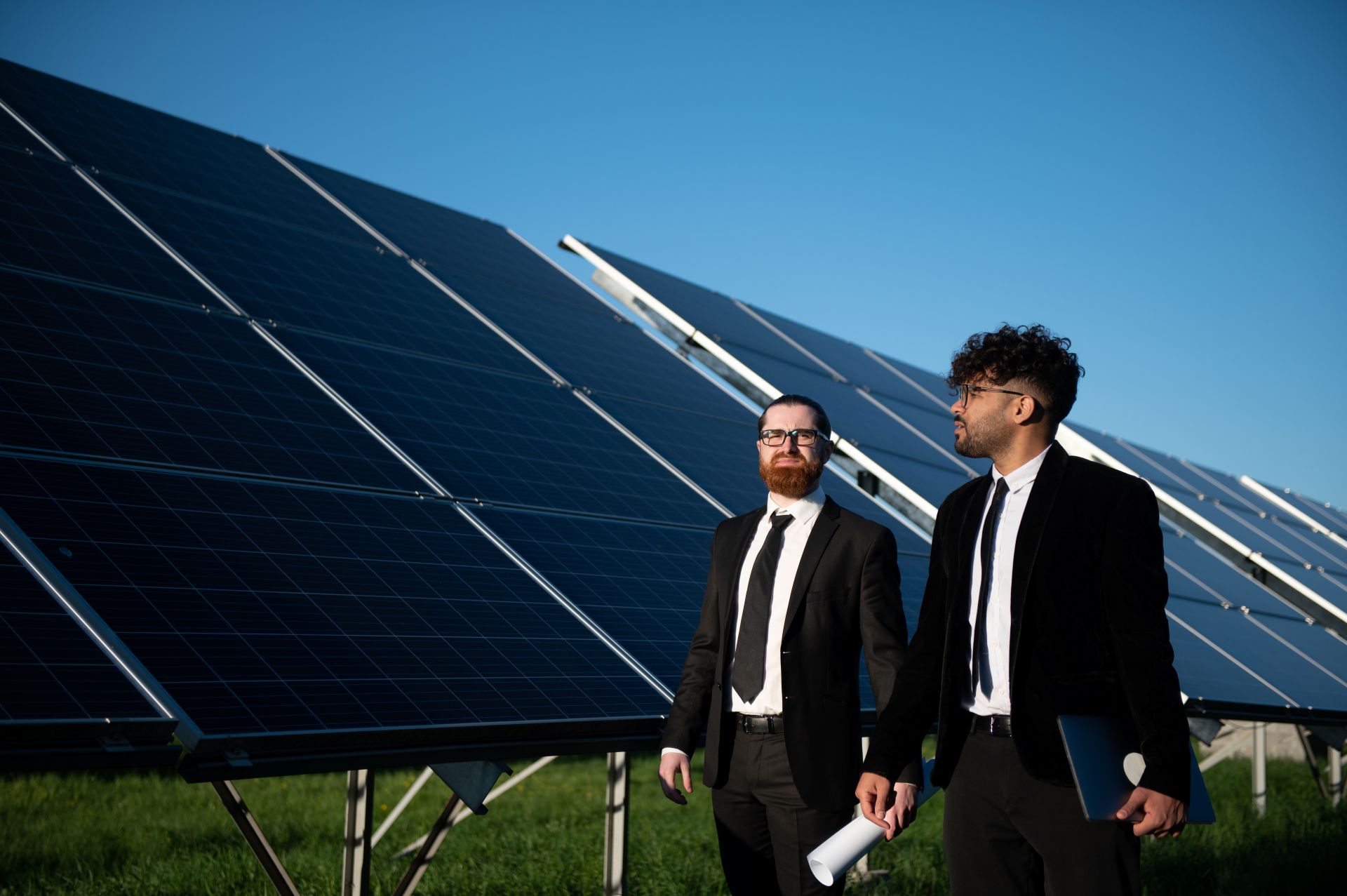
Incorporating a solar panel system into residential or commercial real estate influences the property’s overall valuation in measurable ways. Market studies conducted across multiple European countries from 2024 to 2026 indicate that homes with solar installations typically see property value increases ranging from 3% to 5%, depending on system specifications and local market factors.
The impact on valuation is principally determined by solar system ownership and system capacity. Owned solar systems—where panels and inverters are property of the homeowner—have demonstrated clearer resale value premiums compared to leased systems, which may complicate legal transfer and perceived economic benefit to buyers. Properties with solar systems sized to cover 50% or more of annual electricity consumption tend to present stronger market premiums, as this translates into meaningful energy cost reductions for occupants.
Commercial properties exhibit layered effects, where solar installations contribute to direct operational savings and enhance corporate sustainability profiles. Appraisers increasingly apply discounted cash flow methodologies that incorporate the net present value (NPV) of anticipated energy savings over typical asset lifetimes of 25 years, amplifying valuation benefits beyond upfront installation costs.
- Solar panel ownership: Owned systems correspond to a 3–5% property value uplift.
- Installation size: Systems sized ≥50% of annual energy needs yield greater resale premiums.
- Regional variation: Energy pricing and environmental policy awareness influence local valuation impacts.
The Solar Investment Model: From Panel Installation to Community Membership Benefits
A standard solar system comprises fotovoltaico panels utilizing polysilicon or thin-film cells rated for 25–30 years of performance, including key balance-of-system components such as grid-tied inverters compliant with IEC 61727 standards, mounting hardware, and optional lithium-ion battery storage systems with typical warranties of 10 years. Installation periods range from 2 weeks for residential systems up to 6 weeks for commercial-scale setups, factoring in permitting processes aligned with regional electrical codes.
Solar Plus Garden’s investment model integrates a 10 MW utility-scale photovoltaic plant combined with a proprietary appartenenza alla comunità platform built around agrivoltaico. This model enables investors to participate financially in solar energy production while engaging with local food production under the solar arrays, enhancing sustainability and social value.
The structure distinctly separates direct solar investment from community access:
- A €200 one-time Garden membership fee grants community participation rights.
- An optional subscription to the Garden box at €20 monthly offers 18 annual deliveries of locally grown vegetables.
- The Garden concept supports up to 3,000 allotted parcels at full capacity, allowing broad participation beyond financial investors.
Solar energy revenues from plant operations fund community activities, with legal structures deploying regulated payment and escrow mechanisms designed to prevent fund misappropriation. These mechanisms are governed under the Estonian OÜ and Serbian DOO legal entities, ensuring financial transparency and investor protection.
Comparing Energy Cost Savings: Solar Energy versus Real Estate Appreciation
Residential solar investment yields direct energy cost savings as a primary financial benefit. Photovoltaic systems in European climates typically receive annual insolation between 1,200 and 1,800 kWh per installed kW. This translates into reductions of household electricity bills from 30% to 70%, depending on factors such as household consumption profiles, net metering policies, and system design efficiency—including panel orientation and inverter performance ratios.
Solar panel degradation occurs at a rate between 0.5% and 1% per year, gradually reducing output over the system’s 25–30 year lifespan. Inverter replacements are expected approximately every 10 to 15 years due to electronic component wear. Maintenance costs average 1–3% of the initial installation price annually, covering cleaning, inspections, and minor repairs.
Industry-standard financial models estimate payback periods of 7 to 12 years under current feed-in tariffs and incentive regimes, subject to local electricity prices and regulation. Investors benefit from predictable positive cash flow after payback, arising from reduced energy costs and possible feed-in revenues, underpinned by stable grid connection agreements.
In contrast, real estate investors typically rely on capital appreciation, averaging 2–4% annually in stable European markets. This appreciation provides capital gains without direct cash yield during holding periods and exposes owners to market liquidity constraints and fluctuations driven by macroeconomic or regulatory factors.
- Payback timing: Solar systems repay initial investment within 7–12 years, with positive cash flows thereafter.
- Return nature: Solar investment reduces operational energy costs and may generate revenues; real estate generates capital gains.
- Risk profile: Solar investment risks include panel degradation, tariff revisions, and technical failures; real estate risks encompass market cycles and illiquidity.
Environmental Benefits of Solar Panels and Their Influence on Property Marketability
The environmental benefits of solar panel systems are quantifiable and increasingly impact property marketability. A typical 5 kW residential solar system offsets approximately 3 to 4 metric tons of CO2 annually by replacing fossil fuel-generated electricity. This offset is equivalent to removing one internal combustion engine passenger vehicle from circulation each year, based on EU emissions standards of roughly 1.2 tons CO2 per vehicle annually.
Buyers and tenants valuing environmental responsibility prioritize properties with verified renewable energy generation capacity. These properties often exhibit faster transaction velocities and premium lease terms, supported by growing institutional and consumer demand for sustainable assets.
Solar Plus Garden enhances these benefits through agrivoltaics, combining photovoltaic modules with under-panel crop cultivation. This practice not only conserves land by dual utilization but also improves microclimate conditions beneath the panels, benefiting both energy yield—by moderate cooling—and local biodiversity. The garden community generates fresh food with reduced transportation emissions, aligning environmental benefits of solar with regenerative agricultural practices.
Regulations and Market Conditions Affecting Solar and Real Estate Investments in Europe
Solar and real estate investments operate within overlapping but distinct regulatory frameworks governed by EU directives and national legislation. From 2023 through 2026, EU policies such as the Renewable Energy Directive (RED III) have standardized support mechanisms like feed-in tariffs, net metering, and simplified grid connections for distributed solar assets.
Key regulatory factors include:
- Feed-in tariffs: Compensation rates vary by member state and project scale, with gradual phase-outs planned to encourage market competitiveness.
- Subsidies and grants: Available through programs like the European Regional Development Fund, often capped per project size and aligned with national energy strategies.
- Legal ownership and transferability: National laws, for example in Serbia and Estonia, define the treatment of solar assets in property transactions. Structured investment vehicles such as Solar Plus Garden utilize compliant Estonian OÜ and Serbian DOO entities to isolate asset ownership and facilitate secure investment transfers.
Compliance requires diligence in contract structuring, permitting, and ongoing regulatory monitoring. The transparent and investor-ready structures implemented by Solar Plus Garden provide a mitigated regulatory risk environment, essential for both small and institutional investors.
Integrating Solar Investment Through Community-Backed Models Versus Direct Real Estate Purchase
Direct real estate acquisition involves significant capital outlay, property management responsibilities, ongoing maintenance costs, and exposure to local market volatility, while providing physical asset control and potential capital appreciation.
Solar investment via community-backed models like Solar Plus Garden offers entry points starting at €500 with no requirement for on-site ownership or maintenance. The investment is pooled within a diversified 10 MW solar portfolio, reducing technology and site-specific risks relative to single-property ownership.
Distinguishing features include:
- Liquidità: Solar Plus Garden’s legal model structures clearer exit processes through regulated ownership entities, contrasting with the often illiquid and slow real estate markets.
- Diversificazione: Investing in a utility-scale solar plant diversifies risk across multiple solar assets and geographic locations.
- Community value creation: The Garden membership adds agrivoltaic benefits and social engagement opportunities absent in traditional real estate investment.
Financial flows separate solar asset investment from community membership, governed by a €200 initiation fee and optional monthly subscriptions, all secured by an escrow system monitored for compliance. This transparency supports investor confidence and operational integrity.
Evaluating Maintenance, Upkeep, and Operational Risks for Solar Systems Versus Real Estate Properties
Solar systems demand scheduled maintenance activities, primarily panel cleaning multiple times annually to maintain maximum irradiance capture and inverter servicing or replacement every 10 to 15 years. Annual operating expenses average 1–3% of installation costs and encompass monitoring systems, component inspections, and preventive maintenance to minimize downtime.
Real estate maintenance introduces variable expenses including structural repairs, HVAC servicing cycles typically every 3 to 5 years, landscaping, and statutory property taxes. These costs fluctuate considerably depending on property type, age, and local regulations, exposing owners to more unpredictable financial outgoings and management challenges.
Solar Plus Garden employs professional asset and operational management teams dedicated to optimized plant performance and maintenance scheduling. The legal separation of the Estonian OÜ (solar asset owner) and Serbian DOO (garden operator) enhances risk containment, allowing investors to benefit from the solar system’s operational efficiencies without direct management responsibility.
Domande frequenti
Does installing solar panels really increase my home’s market value in 2026?
Studies from 2024 to 2026 indicate that homes with owned solar panel systems generally experience a 3–5% increase in property value. This uplift depends on panel capacity covering a substantial portion of energy demand, ownership clarity, and regional market conditions.
How does Solar Plus Garden’s membership model differ from traditional solar investments?
Solar Plus Garden separates community membership, granted by a one-time €200 fee and optional €20 monthly subscriptions for produce, from direct financial solar investment. The model reinvests solar revenue into both energy infrastructure and community agrivoltaic initiatives, enhancing environmental and social benefits.
What are the typical energy savings when installing solar panels compared to traditional real estate appreciation?
Residential solar systems in Europe reduce energy costs by 30–70%, with payback periods of 7 to 12 years under current tariffs. Real estate appreciation rates average 2–4% annually, providing capital gains but no direct cash flow from energy cost reductions.
Are there legal issues to consider when combining solar panels with real estate sales?
Solar panel ownership and transfer in real estate transactions are governed by country-specific laws and EU directives, affecting contract structures and asset titles. Solar Plus Garden’s model employs legally distinct entities—Estonian OÜ and Serbian DOO—to manage solar assets and community interactions separately, reducing legal complexity and protecting investor rights.
Conclusione
Choosing between solar investment and direct real estate purchase depends on individual financial objectives, risk tolerance, and interest in community engagement. Solar Plus Garden presents a regulated, transparent model for solar investment that integrates environmental benefits of solar panels with agrivoltaics-based community membership, distinguishing it from standalone property ownership. Changes in feed-in tariffs, energy market regulations, or property valuation methodologies warrant periodic reassessment of investment allocations. Engaging with detailed project information and understanding local regulatory environments remain essential prerequisites for decision-making.