









How Solar Tracking Systems Enhance Solar Panel Efficiency and Investment Value
Types of Solar Tracking Systems: Single-Axis vs Dual-Axis
Solar tracking systems adjust the orientation of solar panels to maintain optimal alignment with the sun, thereby increasing energy generation compared to fixed-tilt solar systems. The two main configurations used in utility-scale and community solar projects are single-axis solar tracking and dual-axis solar tracking systems.
A single-axis tracker rotates solar collectors around a single horizontal or tilted axis, usually oriented north-south. This enables the solar panel to track the sun’s east-west movement throughout the day. Typical tilt adjustments for single-axis trackers range from 30° to 60°, varying based on latitude and project design. Because these trackers rotate only around one axis, they optimize sunlight incidence mainly on a daily basis but do not fully account for seasonal solar elevation angle changes.
Dual-axis solar trackers rotate panels around both azimuth (horizontal rotation) and elevation (vertical tilt) axes. This capability allows panels to follow the sun’s exact position across both daily and seasonal cycles, improving incident irradiance and maximizing annual energy yield. Depending on design, dual-axis solar tracking systems adjust panel tilt angles between approximately -45° (backward tilt) to +90° (face directly overhead).
El energy yield improvement realized by single-axis solar tracking systems typically ranges from 10% to 25% above comparable fixed-tilt arrays. For dual-axis solar tracking systems, yield gains often range from 20% to 35%, influenced by site latitude and climate. Higher latitudes—above approximately 40°—see proportionally greater benefits from dual-axis systems due to larger seasonal solar angle variation.
Single-axis trackers are commonly deployed in large-scale solar power plants prioritizing cost-effectiveness and mechanical simplicity. Dual-axis trackers are more prevalent in smaller to mid-sized solar systems where maximizing energy production justifies greater capital expenditure and maintenance effort, such as community solar and specialized agrivoltaic installations.
Key Components and Technologies of Solar Tracking Systems
Solar tracking systems integrate multiple critical components to achieve precise and reliable sun tracking, enhancing the performance of photovoltaic installations.
- Sun trackers (mechanical frames): Support structures designed to hold and physically adjust solar panels’ orientation with multiple degrees of freedom depending on single-axis or dual-axis tracking configurations.
- Tracking controllers: Embedded electronic units running control algorithms that calculate the sun’s relative position using astronomical models, time, date, and sensor data. Controllers modulate gear drives and actuators to reposition panels. Typical update intervals range from 1 to 15 minutes, depending on system sophistication and wear considerations.
- Sistemas de montaje: Engineered frameworks and foundations that secure solar panels while allowing movement. These structures must meet local wind load standards (often IEC 61400-2 or equivalent), resist dynamic and static stresses from actuator movement, and account for temperature-induced material expansion.
Mechanically, solar tracking systems utilize gear motors or linear actuators combined with position sensors such as rotary encoders or potentiometers to ensure angular precision. Environmental sensors, including light intensity and wind speed monitors, feed data to control systems for dynamic response, such as stowing panels during high wind events.
Sensor recalibration and mechanical inspections occur on a biannual to annual schedule. Maintenance protocols typically follow manufacturer specifications consistent with IEC 61724-1 for performance monitoring and ISO 9001 for quality assurance of components.
Materials used in the construction of solar trackers include galvanized steel, anodized aluminum, and UV-resistant polymers to ensure durability against humidity, UV exposure, frost, and mechanical abrasion in open-field conditions typical for 10 MW-scale power plants.
Performance Benefits of Implementing Solar Tracking Systems in Solar Power Plants
Solar tracking systems provide measurable advantages over static fixed-tilt solar panel installations, directly increasing energy output and improving plant operational profiles.
Axis solar tracking improves output by continuously optimizing panel tilt and orientation to maintain near-perpendicular incident sunlight. Dual-axis trackers have demonstrated 25% to 35% higher annual energy production compared to fixed-tilt arrays in latitudes ranging from 35° to 50°, based on comparative field data under IEC 61724-1-compliant performance tests.
Tracking systems reduce early morning and late afternoon irradiance losses by orienting panels toward low-angle sunlight, which can extend effective generation hours by 1 to 2 hours daily. This leads to smoother hourly production curves and reduced intra-day output variability, which is significant for 10 MW solar power plants aiming to optimize grid dispatchability and reduce ramp rates.
Higher precision sun tracking enabled by closed-loop control with high-resolution rotary encoders (resolution better than 0.1°) and frequent control updates (up to every minute in advanced systems) minimizes misalignment energy loss, which can exceed 5% for systems relying on infrequent adjustments.
In total, these performance benefits must be weighed against incremental system costs and O&M demands to assess the net impact on project IRR and payback horizons.
Design and Installation Considerations for Solar Tracking Systems
Selecting and deploying an effective solar tracking system requires comprehensive evaluation of site-specific parameters and engineering requirements.
- Site parameters: Latitude, solar irradiance profiles obtained from METEOSAT or other solar databases, shading patterns from surrounding terrain or structures, and land topography are critical in determining the optimal tracker type. Single-axis solar tracking is generally more efficient in sites below 35° latitude with minimal seasonal sun declination, while dual-axis solar tracking systems are advantageous above 40° latitude where solar elevation changes markedly seasonally.
- Structural demands: Mounting systems must conform to national or regional load standards such as Eurocode EN 1991-1-4 (wind actions) and withstand gusts up to 140 km/h or higher in exposed locations. Foundations—often bored piles or screw piles—require geotechnical investigation to confirm load-bearing capacity and to resist dynamic loads introduced by tracker movements.
- Electrical integration: Inverters and balance of system components must be designed to handle fluctuating DC inputs caused by variable solar panel angles inherent in axis solar tracking. This includes anti-islanding protection conforming to IEC 62116 and reactive power capability to support grid stability in line with local grid codes.
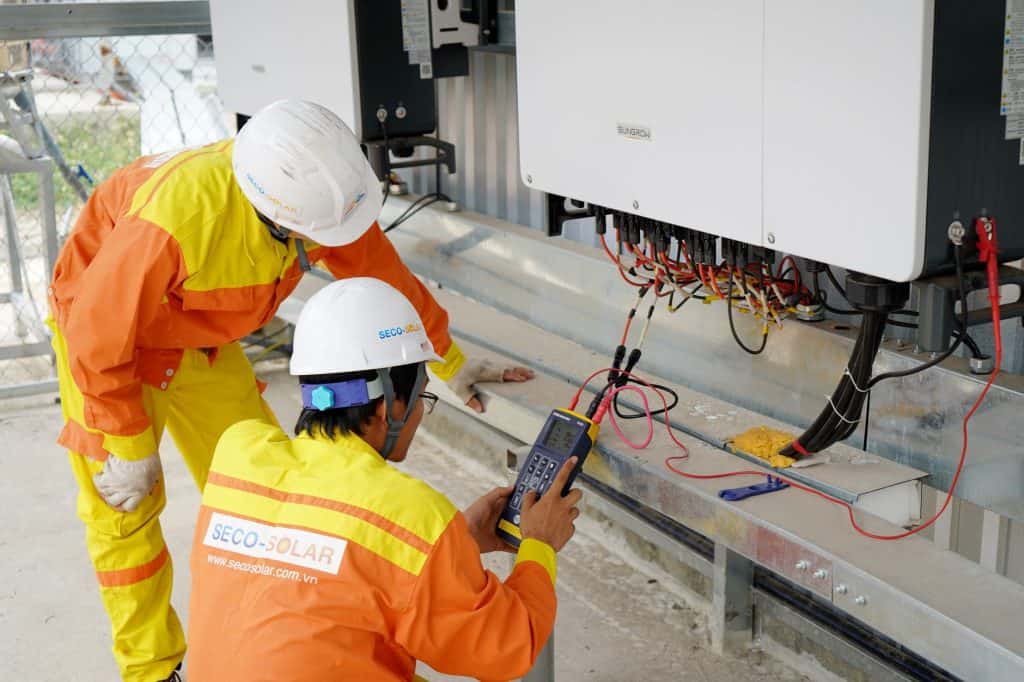
- Maintenance access and safety: Installation plans must provide operational clearances for personnel to inspect and service actuators, gearboxes, and tracking controllers without obstructing panel movement. Incorporation of fault detection systems using SCADA platforms enables real-time monitoring of tracking performance and failure diagnostics.
Common Disadvantages and Operational Challenges of Solar Tracking Systems
Solar trackers improve energy yield but introduce design and operational complexities that can impact project economics and reliability.
Increased upfront costs range between 15% and 30% higher capital expenditure compared to fixed-tilt mounting systems, reflecting additional mechanical components, control systems, and foundations. Maintenance costs rise accordingly due to moving parts requiring lubrication, inspection, and occasional replacement.
Standard maintenance cycles occur every 6 to 12 months focusing on actuator lubrication, gearbox inspection, sensor calibration, and tracking controller firmware updates. Components have mean time between failures (MTBF) often specified between 3 to 5 years, depending on operating conditions and manufacturer quality standards.
Tracker downtime caused by mechanical failure, controller error, or sensor misalignment leads to temporary loss of tracking benefits and can reduce plant capacity factors until rectified. To mitigate this, active solar tracker systems incorporate fault alarms and remote diagnostics within their control software.
Additionally, the horizontal movement and tilt of panels necessitate wider row spacing to prevent inter-row shading, frequently reducing site power density by 10% to 20%. This presents a challenge for agrivoltaic projects where land efficiency is critical, requiring careful balancing between solar collector output and agricultural land use.
Integration of Solar Tracking Systems with Agrivoltaic Projects and Community Solar Models
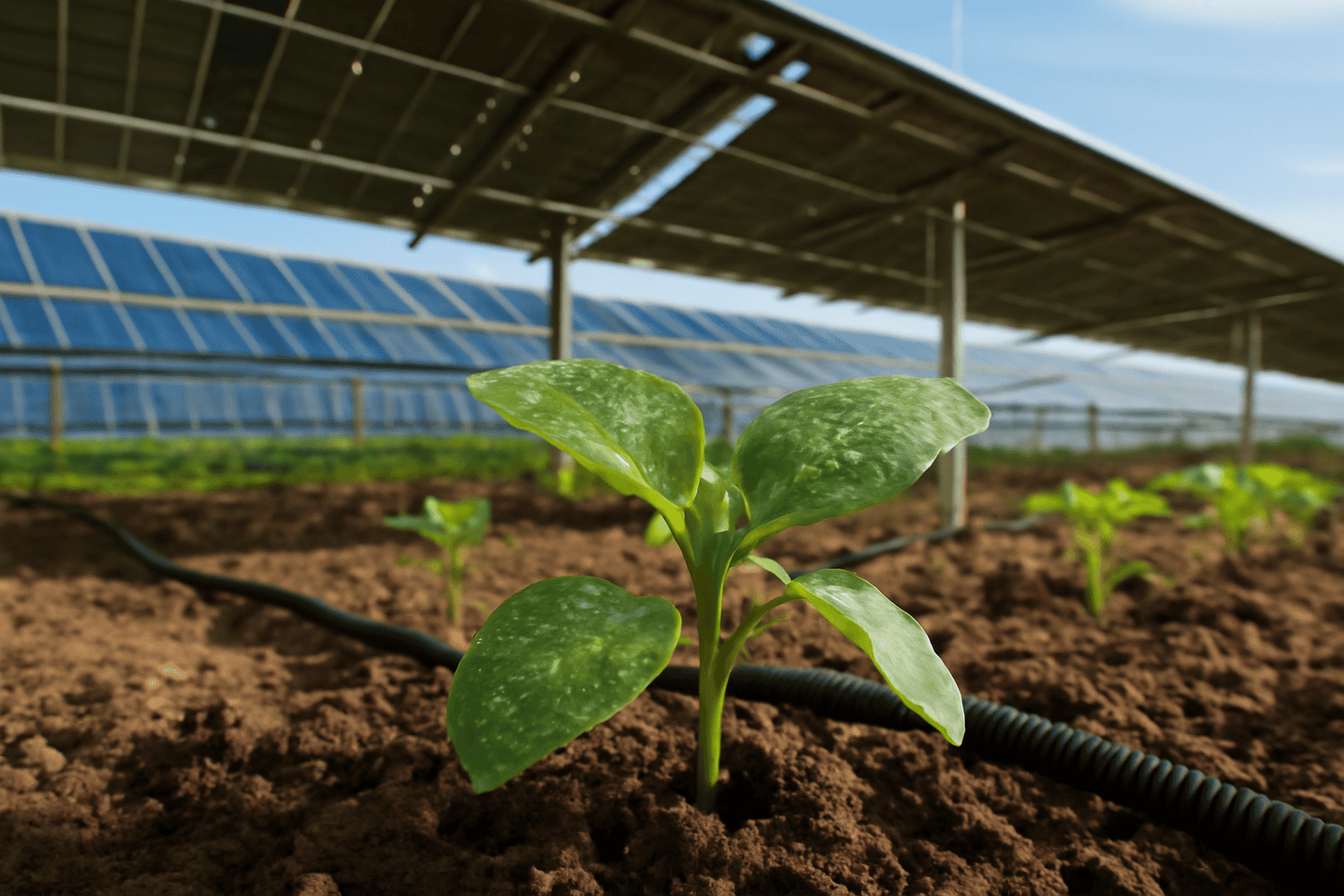
Solar tracking systems provide operational advantages in agrivoltaic settings where solar panels coexist with crop cultivation or community gardening, as exemplified by the Solar Plus Garden project.
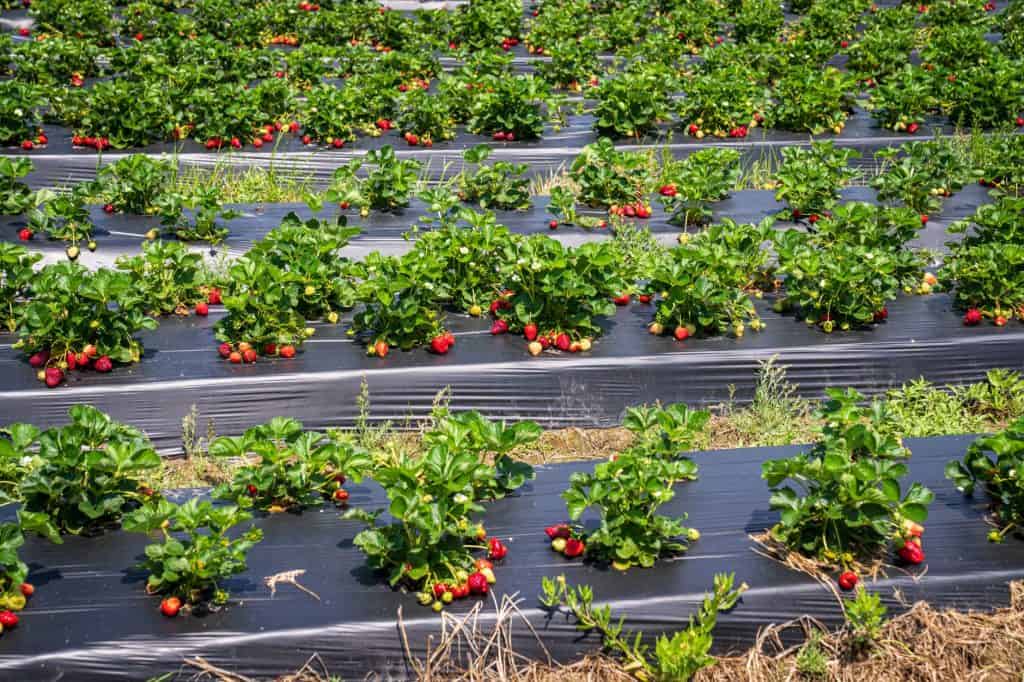
Active solar trackers allow dynamic adjustment of panel tilt and azimuth, optimizing light distribution to crops grown beneath or adjacent to solar arrays. This improves photosynthetically active radiation (PAR) management, potentially enhancing crop yields as demonstrated in controlled agrivoltaic studies.
The Solar Plus Garden integrates a 10 MW central de energía solar with a membresía de jardín model that finances and supports local agriculture without requiring all community members to invest directly in the solar asset. Solar tracking systems contribute to higher solar power output, thus increasing the revenue pool that funds community activities and garden maintenance.
The project’s legal structure separates the solar facility, owned and managed by a Serbian DOO, from the Garden operation, which is a distinct legal entity holding exclusive rights to the Garden concept. This framework ensures compliance with Serbian and Estonian corporate and energy regulations and permits transparent financial management, including payment and escrow arrangements.
Gardens can accommodate up to approximately 3,000 individual parcels (garden boxes). Tracker system designs optimize their movement range and spacing to minimize agricultural land impact while maintaining mechanical clearance for reliable sun tracking.
Emerging Trends and Technological Innovations in Solar Tracking Systems
Technological advancements continue to refine solar tracking system performance, reliability, and applicability across diverse solar power projects.
- AI-driven tracking controllers incorporate machine learning algorithms and real-time atmospheric data—including cloud cover and temperature—to dynamically optimize panel orientation beyond traditional astronomical models.
- Development of lightweight composite materials and corrosion-resistant alloys has reduced the base weight of tracking structures by up to 25%, lowering foundation requirements and easing installation.
- Portable solar tracking systems have been introduced, providing rapid-deployment solutions for temporary installations, offsetting fixed-site capital expenses. These systems use modular components for ease of transport and assembly in remote or disaster relief contexts.
- Digital twin technologies simulate physical tracker assets in virtual environments to predict maintenance needs, detect performance deviations, and optimize operation schedules, thus reducing downtime and overall operational expenditure.
Commercially released active solar trackers in 2025 integrate cloud-based remote monitoring and diagnostics, which allow centralized supervised management of distributed solar tracking systems. This capability enhances scalability and operational control for community-based solar projects like the Solar Plus Garden platform.
Preguntas frecuentes
- What is the typical energy yield improvement when using a dual-axis solar tracking system compared to fixed panels?
- Dual-axis solar tracking systems generally increase annual energy yield by 20–35% compared to fixed-tilt solar panels, with the exact improvement contingent on latitude, climate, and system design.
- How often do solar tracking systems require maintenance and what are common issues?
- Maintenance intervals usually fall between 6 and 12 months and focus on gear drive lubrication, actuator performance checks, sensor recalibration, and firmware updates for tracking controllers to maintain precision and avoid operational downtime.
- Can solar tracking systems be integrated into agrivoltaic projects that combine solar energy and agriculture?
- Yes. Dual-axis and single-axis solar trackers can dynamically manage shading and sunlight distribution in agrivoltaic setups, improving both solar power production and crop growth, as demonstrated by projects such as Solar Plus Garden.
- What factors determine whether to choose a single-axis or dual-axis solar tracker for a project?
- Choice depends on latitude, expected seasonal solar variation, land availability, budget constraints, energy yield goals, and maintenance capabilities. Single-axis trackers offer lower cost and simpler maintenance, while dual-axis trackers provide higher efficiency and flexibility.
Conclusión
For investors and project developers, solar tracking systems present a trade-off between higher energy yield and increased capital and operational complexity. Single-axis solar tracking systems serve as cost-effective efficiency enhancements, while dual-axis solar tracking systems maximize annual electricity generation where budget, site conditions, and maintenance infrastructure justify their use.
Incorporation of solar tracking systems into integrated community agrivoltaic models like Solar Plus Garden enhances both financial value and sustainability impact by coupling clean energy production with regenerative agriculture. Selection of an appropriate solar tracking system should be preceded by detailed site analysis, performance modeling, and alignment with regulatory requirements.
Monitoring emerging active solar tracking technologies and evolving control strategies is advisable for stakeholders seeking to optimize long-term returns and operational resilience in solar power assets.