






How to Effectively Protect Solar Panels from Bird Intrusion with Durable Mesh Barriers
Why Birds Are Attracted to Solar Panels and the Resulting Risks
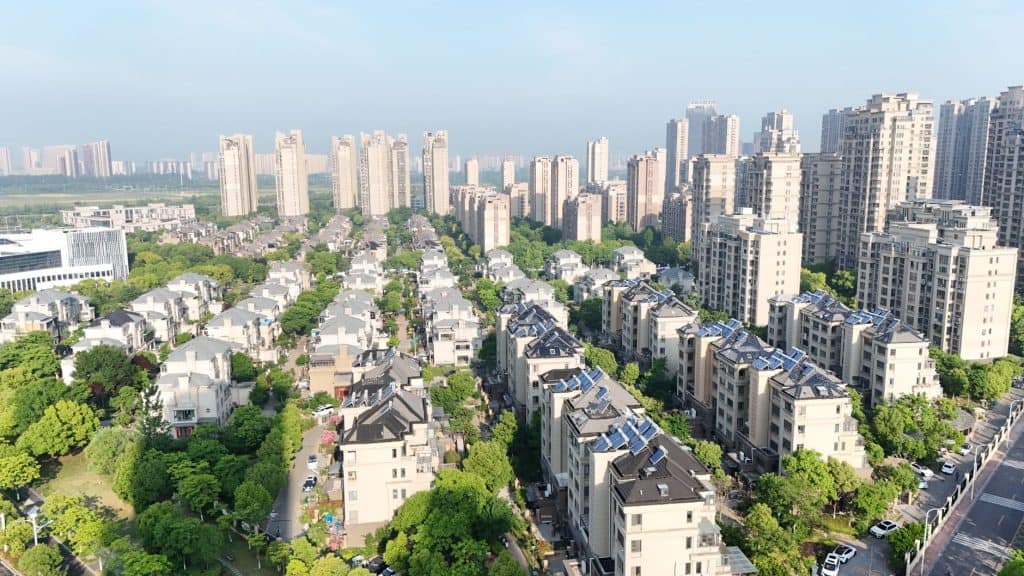
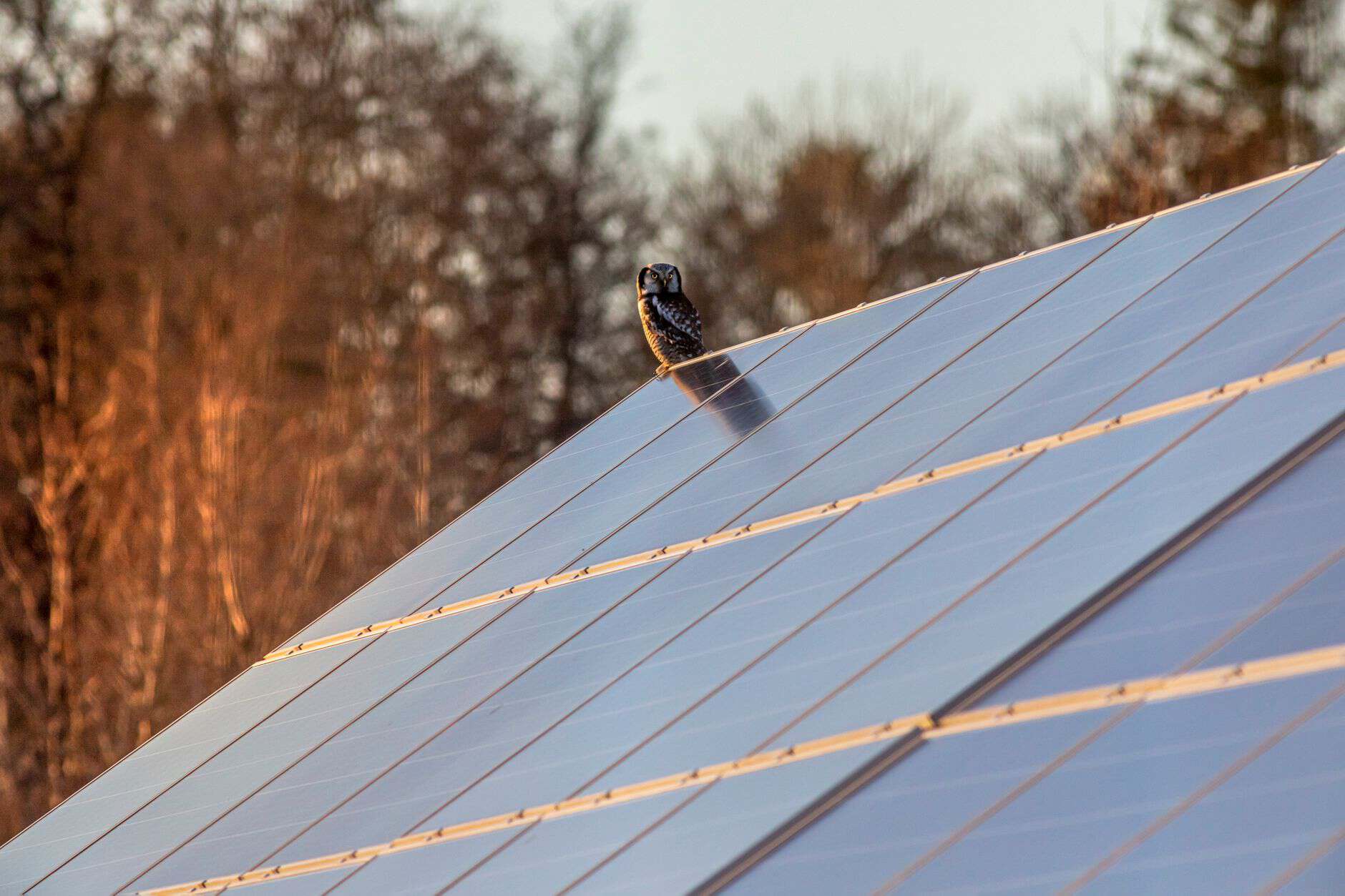
Solar panels installed on rooftops create shaded, elevated gaps between the solar module frames and roof surfaces. These spaces attract birds such as pigeons, sparrows, and starlings, which seek secure nesting and roosting spots sheltered from predators and weather. The heat generated by fotovoltaica solar panels due to photovoltaic conversion further increases these areas’ appeal, particularly in temperate climate zones where most commercial solar installations occur. Observations indicate visible bird activity, including nesting and defecation, commonly appears within 1 to 2 years after solar panel installation.
Bird intrusion under solar panels presents multiple operational and durability risks. Accumulation of bird droppings, which are acidic and abrasive, can etch and degrade the glass surface and anti-reflective coatings, reducing solar irradiance transmission and diminishing energy yield over time. Nesting materials—twigs, feathers, leaves—clog ventilation gaps and drainage channels beneath arrays, leading to localized overheating and moisture buildup. Such conditions increase the probability of electrical faults, insulation breakdown, and raise a documented fire hazard risk, specifically affecting system uptime and safety.
Species most commonly involved in this intrusion include:
- Pigeons (Columba livia domestica): Known for colonial nesting, often forming dense clusters beneath large solar panels.
- Sparrows (Passer domesticus): Utilize small crevices between panels and roofing materials to nest.
- Starlings (Sturnus vulgaris): Create nests that contribute significant debris and droppings, compounding maintenance issues.
Identifying the specific nesting behavior and timeline of these bird species post-installation enables targeted bird control strategies, vital for protecting solar assets and securing long-term operational reliability.
Types of Solar Bird Protection Barriers: Mesh, Netting, and Guard Kits
Solar panel bird control employs physical barriers designed for durability under rooftop exposure, maintaining system ventilation, and facilitating maintenance access. The primary barrier categories include wire mesh barriers, bird netting, and comprehensive guard kits featuring modular components.
Wire mesh barriers are predominantly fabricated from pvc-coated galvanized steel o stainless steel wire mesh. The pvc coating provides corrosion resistance that extends the service life of galvanized steel mesh to approximately 8-10 years in temperate and urban pollution environments. Stainless steel mesh provides superior corrosion resistance and mechanical durability, with expected lifespans exceeding 15 years under equivalent conditions. Mesh aperture sizes commonly range from 6 mm (1/4 inch) to 12 mm (1/2 inch), a dimensioning that balances exclusion of small to medium-sized birds such as sparrows and pigeons while preserving necessary airflow to prevent panel overheating.
Bird netting consists of polymer fibers—typically UV-stabilized polyethylene—woven into grids with apertures around 12 mm or less. While lighter and more flexible than wire mesh, netting requires regular tension adjustment and secure fastening to avoid sagging or gaps through which birds can enter. Netting may be preferable for temporary installations or irregular roof geometries but may present durability challenges compared to wire mesh in long-term applications.
Guard kits combine pre-cut mesh or netting panels with clip systems and corrosion-resistant fasteners optimized for solar panel frames and roofing materials such as metal, tile, or shingles. These kits enable standardized installation, ensuring consistent exclusion without damage to photovoltaic modules. Clips, frequently constructed from anodized aluminum or reinforced polymer composites, reduce installation time by allowing modular attachment and quick removal for maintenance access.
- PVC-coated galvanized steel mesh: Cost-effective, corrosion-resistant, estimated service life of 8-10 years depending on local environment.
- Stainless steel wire mesh: High durability with service life exceeding 15 years under normal weathering conditions.
Critter guard designs ensure maintenance of adequate ventilation beneath panels, critical to preventing panel overheating and optimizing electrical performance. Designs allow routine access without removing protection, preserving long-term operational integrity.
Installation Best Practices for Solar Panel Bird Guards on Roofs
Proper installation of solar panel bird guards involves a sequence of technical steps designed to achieve full bird exclusion while preserving system integrity and maintenance accessibility.
Key installation procedure includes:
- Site and roof assessment: Accurately measure gap dimensions between panels and roof; identify all potential access points for birds. Document roof material type (e.g., asphalt shingle, metal, tile) to select compatible fasteners that will maintain water tightness.
- Mesh preparation: Cut wire mesh or bird netting panels to size, ensuring each panel overlaps adjoining edges by at least 50 mm (5 cm) to prevent small breaches.
- Placement of clips: Secure corrosion-resistant clips, spaced approximately every 30 to 40 cm along solar panel frames and roof edges, to tightly hold mesh without deforming photovoltaic module structure.
- Attachment of mesh: Affix mesh firmly to clips and roof surfaces using stainless steel screws, rivets, or non-penetrative fasteners designed specifically for roofing substrates, avoiding gaps larger than 6 mm (1/4 inch).
- Inspection of installation quality: Conduct thorough inspection for loose sections, potential mesh gaps, or points of inadequate sealing that could permit bird or other critter intrusion.
Use of stainless steel fasteners is critical for resisting corrosion in outdoor environments, preventing water ingress and ensuring barrier longevity. Typical installation time for a 10 kW residential solar system ranges from 2 to 3 hours when performed by technicians trained in both solar and bird guard installation procedures.
Integrating solar panel bird guard installation with regular maintenance cycles minimizes downtime and ensures safe access to PV modules without dismantling protective barriers, optimizing both operational efficiency and cost-effectiveness.
Longevity and Maintenance of Bird Mesh and Barrier Systems
The operational lifespan and maintenance of solar panel bird mesh y critter guard systems directly impact their effectiveness in exclusion and protection.
Recommended maintenance schedule includes annual inspections focusing on:
- Identification of mesh damage such as abrasions, tears, or holes caused by weather (hail, wind) or mechanical abrasion by wildlife.
- Corrosion monitoring, especially for pvc-coated galvanized steel mesh, which typically shows signs of wear after 8-10 years.
- Verification of clip and fastener integrity; loosened or displaced components can create new entry points for birds and critters.
- Removal of accumulated debris including leaves, feathers, and nesting material to maintain airflow and prevent shelter for pests.
Stainless steel wire mesh barriers, when regularly maintained, demonstrate functional durability exceeding 15 years in temperate climates. By contrast, PVC-coated options require material replacement cycles within 8-10 years to maintain optimal performance and prevent intrusion.
Documentation of all maintenance actions, damage assessments, and repair or replacement timelines supports inversión en energía solar stakeholders by evidencing rigorous operational risk management and compliance with warranty conditions related to solar panel protection.
Cost Considerations and Impact on Solar Investment Returns
Solar panel bird control systems represent a defined additional capital and operational expenditure relative to overall photovoltaic project costs. Installation of bird mesh barrier systems generally constitutes between 5% and 8% of total project cost, varying by system scale, roof complexity, and choice of barrier material.
While the upfront cost increases, the benefits include mitigation of solar panel damage from bird droppings and nesting, which otherwise cause energy yield reductions up to several percentage points annually if untreated. Such efficiency losses prolong payback durations and introduce unpredictable operational expenditures.
Annual maintenance and material replacement expenses average approximately 0.5% of initial investment value, modulated by material quality; stainless steel mesh barriers require fewer replacements due to greater durability, reducing long-term operational costs compared to PVC-coated galvanized steel.
Cost variables include:
- Material selection: mesh type (wire mesh versus bird netting), mesh thickness, and coating.
- Installation complexity: retrofitting on existing arrays versus new builds, roof pitch, and surface irregularities.
- Scale effects: residential systems (up to 10 kW) versus commercial solar farms (100 kW+), as economies of scale affect per-watt installation costs.
Implementing bird protection reduces unplanned cleaning and repair downtimes, supporting continuous solar energy production and enhancing solar asset financial stability.
Regulatory Standards and Industry Guidelines Relevant to Solar Bird Protection
Solar panel bird guard installations must adhere to applicable building codes and solar industry standards to ensure rooftop integrity, safety, and material performance.
In the European Union context, including Estonia where Solar Plus Garden is headquartered, corrosion protection for guard materials complies with EN ISO 12944, detailing requirements for protective paint coatings and corrosion resistance for steel and stainless steel components exposed to atmospheric environments. Choosing mesh and clip materials meeting this standard ensures service life aligns with warranty expectations.
Local building regulations typically prescribe requirements governing roofing penetrations used to attach fasteners for guard kits, with a focus on waterproofing and structural integrity. Conformance avoids water ingress and potential roof damage.
Solar industry guidance promotes integration of bird exclusion as an essential part of photovoltaic asset management, reducing risks that could invalidate panel manufacturer warranties or cause operational disruptions.
Environmental standards require that bird deterrent measures avoid harm to protected avian species during installation and operation. Non-lethal exclusion methods, such as mesh barriers, comply with wildlife protection regulations by physically preventing access rather than causing disturbance.
Meticulous documentation of installation and maintenance aligns with investor reporting needs, demonstrating compliance with solar industry best practices and governance principles.
Innovations in Solar Panel Bird Control: Clips, Smart Mesh, and Integrated Solutions
Technological advances in solar panel bird control focus on modular solutions and integrated deterrents designed for ease of use, efficacy, and system longevity.
Modern clip systems utilize anodized aluminum or reinforced polymer composites with UV and corrosion resistance to reduce roof load while providing robust attachment points for wire mesh barriers. These modular clips facilitate faster installation—reducing labor hours by up to 20%—and enable easy removal for maintenance without dismantling entire mesh assemblies.
Integrated deterrent approaches combine mesh barriers with visual or audio stimuli tailored to repel birds. For example, specialized solar farms and agrivoltaica installations apply mesh designs that balance bird exclusion with ecosystem compatibility, consistent with Solar Plus Garden’s community-centric agrivoltaic model.
Prototype guard kits featuring smart mesh cutting guides and customizable clips are currently in pilot phases, anticipating commercial readiness within 1-2 years. These kits promise scalability and standardization, critical for community solar projects involving thousands of users and integrated agrivoltaic systems.
Such solutions enhance durability, maintainability, and investor confidence through transparent installation and maintenance protocols aligning with evolving solar industry standards.
Preguntas frecuentes
How does bird presence under solar panels affect panel efficiency and longevity?
Bird droppings contain acids that chemically degrade solar glass surfaces and anti-reflective coatings, reducing solar irradiance absorption and panel efficiency. Accumulated nesting material blocks ventilation gaps, elevating operating temperatures, which accelerates electrical component degradation and shortens panel lifespan.
What materials are recommended for the most durable solar bird mesh barriers?
PVC-coated galvanized steel mesh offers cost-effective corrosion protection with an expected service life of 8-10 years, while stainless steel mesh typically exceeds 15 years under temperate climate conditions and urban environmental exposure. Stainless steel is preferred for long-term installations requiring minimal replacement.
Can bird guards be installed on existing solar panel systems without major modifications?
Yes, commercial guard kits with modular clip systems and mesh panels allow efficient retrofitting. These kits secure bird exclusion barriers to existing panel frames and roofs using corrosion-resistant fasteners, generally requiring 2 to 3 hours per typical 10 kW residential system without altering the solar modules.
Are there any maintenance requirements to ensure solar bird protection remains effective?
Annual inspections are essential to detect damage or corrosion in mesh barriers, verify clip and fastener integrity, and remove debris deposits. Regular upkeep preserves barrier efficacy, sustains ventilation, and inhibits critter access to solar panel undersides.
Conclusión
Implementing a durable solar panel bird guard system using corrosion-resistant stainless steel wire mesh and modular clip components provides robust exclusion against bird intrusion and preserves photovoltaic system performance. High-quality materials paired with professional installation and systematic maintenance align with best practices to enhance system longevity and operational reliability.
Ongoing inspection and upkeep maintain exclusion integrity and compliance with evolving solar industry standards. Early integration of bird protection during solar installation or efficient retrofitting with certified guard kits reduces unexpected damage, performance degradation, and service downtime.
This approach safeguards the physical solar asset and improves resilience of inversión en energía solar returns by preventing bird-related losses and minimizing risk to energy production continuity.
Lecturas relacionadas
- Comparativa de plataformas de inversión en energía solar: Cómo invertir eficazmente en energía solar
- Cómo la agrovoltaica beneficia a los agricultores: Integración de paneles solares en la agricultura para una mayor productividad y resiliencia.
- Paneles solares monocristalinos: Información clave para inversores y propietarios de inmuebles en 2026.