









Maximizing Solar Panel Efficiency: A Practical Guide to Solar Maintenance and Cleaning
How Dirt and Debris Affect Solar Panel Efficiency
Solar panels convert sunlight into electrical energy, but their performance decreases when surfaces accumulate dust and dirt buildup, bird droppings, leaf accumulation, and other debris. Controlled studies under standard test conditions (STC) indicate that energy production losses due to surface contamination range from 5% up to 20%, depending on local weather conditions and panel orientation.
Accumulated debris blocks sunlight and creates irregular shading patterns, causing solar shading effects that lead to hot spots—localized overheating caused by uneven illumination. These hot spots accelerate panel degradation through thermal stress and reduce both solar energy output and component lifespan. Persistent shading combined with moisture can trigger solar corrosion on frames and connectors, fostering rust and electrical faults.
Seasonal and regional weather conditions strongly influence dirt accumulation rates. Areas with frequent rain experience natural cleaning that significantly limits dust and organic material buildup. In contrast, dry, arid climates or environments prone to dust storms lack this natural rinsing, resulting in faster soil accumulation and greater efficiency losses, necessitating increased cleaning frequency.
Maintaining panels according to solar warranty conditions is essential. Most warranties specify that failure to perform routine cleaning and removal of debris can void coverage related to efficiency declines or surface damage, thereby increasing financial risk for property owners and investors.
Determining the Optimal Cleaning Frequency for Solar Panels
Designing an effective maintenance schedule involves balancing cleaning costs with gains in solar efficiency. Cleaning intervals depend primarily on local environment variables including weather conditions, solar tilt angle, and ambient dust levels.
In arid or high-dust regions, quarterly cleanings are recommended to prevent performance reductions exceeding 15%. In regions with moderate rainfall (annual precipitation of 400-800 mm), biannual cleaning typically suffices to sustain peak energy production. El solar tilt angle affects dust retention: installations angled steeper than 30° often benefit from enhanced natural runoff, extending cleaning intervals by up to 25% compared to flatter mounts.
Utilizing solar monitoring systems enables data-driven cleaning decisions by detecting performance drops from soiling. Real-time sensor data can trigger cleaning when output falls 5% or more below expected benchmarks, optimizing maintenance resources and improving net operating income. Cleaning investments are justified when the incremental energy gains during the expected panel operational period surpass cleaning costs.
Safe and Effective Solar Panel Cleaning Techniques
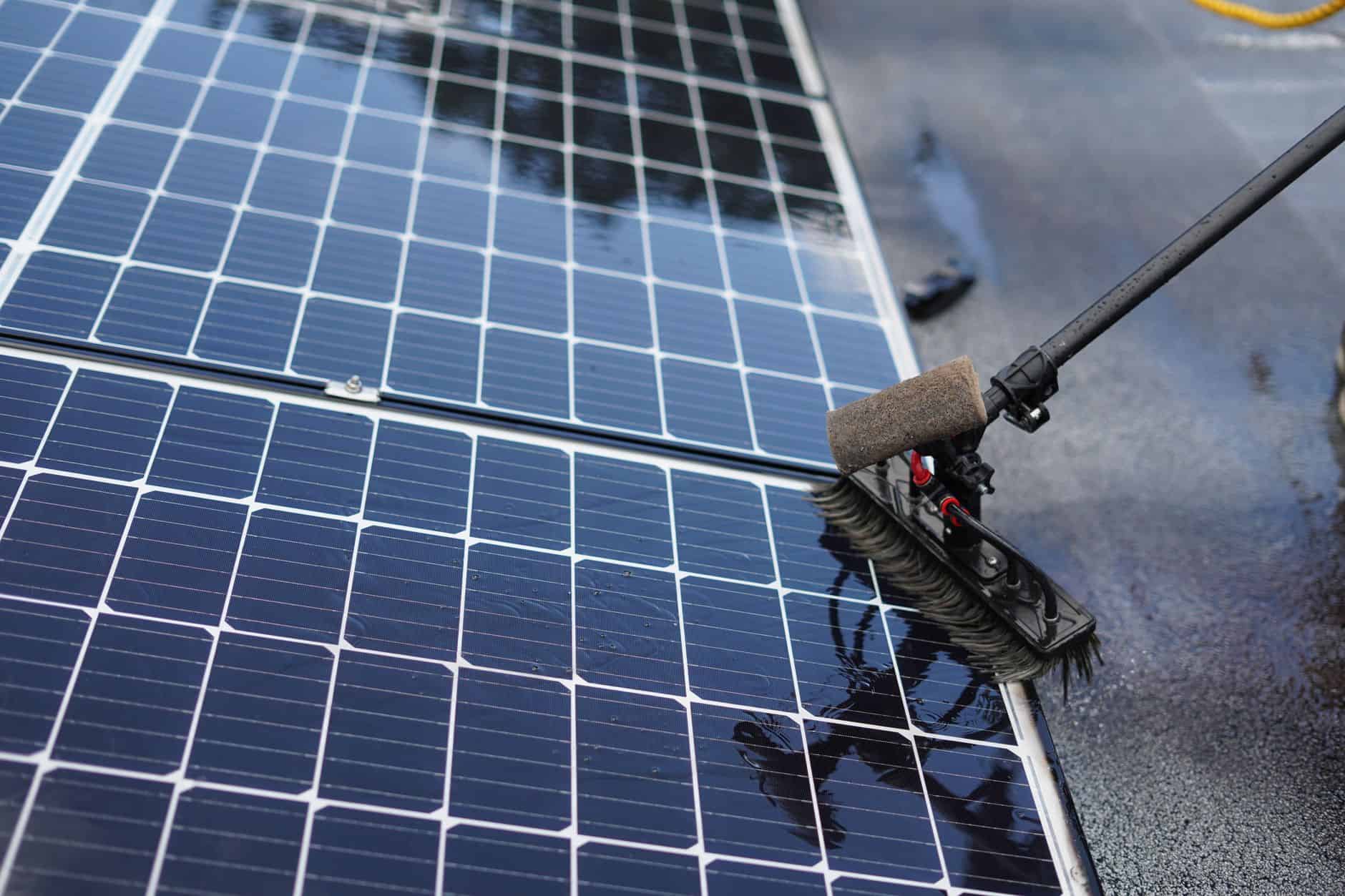
Adopting proper cleaning techniques is critical for effective removal of debris while preserving the surface coatings and complying with solar warranty conditions. The procedure is as follows:
- Use filtered or deionized water near ambient temperature (15-25°C) to avoid thermal stress and prevent panel microcracks caused by rapid temperature differentials greater than 20°C during cleaning.
- Employ non-abrasive cloths or soft-bristle brushes with natural fibers or silicone bristles rated for glass surfaces to avoid scratches that reduce light transmission by up to 3% per scratch.
- Apply mild, biodegradable mild detergents specifically formulated for photovoltaic surfaces, such as non-ionic surfactants with pH between 6 and 8; avoid alkaline or acidic cleaners that degrade anti-reflective coatings and void solar warranties.
- Schedule cleaning in early morning (<10:00 AM) or late evening (>5:00 PM) when panel surface temperature is generally below 30°C, reducing thermal shock risk and enhancing electrical safety by lowering voltage stress on wet surfaces.
Before cleaning, disconnect the solar inverter to eliminate the risk of electrical shock. Use insulated tools and avoid direct contact with conductive parts. High-pressure water jets must be avoided, as water pressures exceeding 30 bar can force moisture into connectors and seal breaches, causing solar corrosion and premature failure.
Essential Tools and Equipment for DIY Solar Maintenance and Cleaning
A proper set of cleaning tools supports effective, warranty-compliant diy cleaning methods. Recommended equipment includes:
- Soft-bristle brushes and squeegees with rubber blades to gently remove dust and organic matter without scratching the tempered glass.
- Telescopic poles with adjustable, locking joints, allowing safe access to arrays up to 6 meters high without ladders, minimizing fall risks and compliance with occupational safety standards.
- Low-pressure water systems delivering under 10 liters per minute at pressures less than 3 bar, ensuring effective rinsing without damage.
- Cleaning solutions certified for photovoltaic use, avoiding solvents or abrasive agents that could violate solar warranty conditions.
For large-scale facilities such as the Solar Plus Garden 10 MW plant, manual cleaning is feasible for routine upkeep but labor intensive. Automated cleaning systems—robotic brushes and purified water spraying units with programmable cycles—provide consistent cleanliness, reducing labor by up to 60%, but involve initial investment and periodic technical maintenance.
Identifying and Addressing Common Solar Panel Issues During Inspection
Scheduled solar panel inspection is vital for early detection of faults impacting solar energy output. A checklist based on best practice standards such as NABCEP (North American Board of Certified Energy Practitioners) includes:
- Checking for microcracks, chips, or discoloration in tempered glass that reduce light transmittance by up to 8% and may propagate into larger fractures over time.
- Examining metal frames and junction boxes for signs of solar corrosion, including rust or green copper oxide, particularly where dirt and moisture have accumulated.
- Verifying wiring integrity and connector tightness, as loose connections can cause power losses of 3% or more and increase fire risk.
- Assessing areas of solar shading due to vegetation growth, debris accumulation, or construction changes which can cut output by 10-25% depending on shading severity.
Leveraging solar monitoring software data pinpoints underperforming strings or modules for targeted interventions. Visual inspections biannually, aligned with cleaning schedules, support preventive maintenance that extends vida útil de los paneles solares and optimizes system reliability.
When to Opt for Professional Solar Cleaning Services
Mientras diy cleaning methods suffice for small to medium arrays, sizeable projects like Solar Plus Garden’s 10 MW plant benefit from professional cleaners in these circumstances:
- Large-scale operations require specialized equipment such as reverse osmosis water filtration systems delivering purified water that prevents mineral residue on panels.
- Difficult access scenarios, including elevated mounts or irregular terrain, demand professionals trained in workplace health and cleaning safety measures compliant with OSHA or equivalent regional regulations.
- Adherence to solar warranty conditions typically mandates use of approved cleaning agents and procedures documented by manufacturers, which professionals are more likely to ensure.
- Professional teams maintain compliance with environmental impact regulations in Estonia and Serbia that govern water usage and chemical discharge during cleaning operations.
Strategic professional cleanings, generally once or twice annually, optimize the sistema de energía solar performance while controlling labor and material costs and mitigating risks inherent in manual cleaning.
Extending Solar Panel Lifespan Through Regular Maintenance
Regular cleaning and solar panel inspection substantially prolong the vida útil de los paneles solares, mitigating degradation mechanisms such as soiling-induced thermal stress, moisture damage, and mechanical wear. Panels receiving routine maintenance commonly achieve service lives of 25 to 30 years, consistent with manufacturer guarantees and investor expectations for projects like Solar Plus Garden.
Preventive maintenance lowers incidences of solar corrosion and electrical faults by removing accumulations that retain moisture and promote degradation. Documenting care procedures supports ongoing warranty adherence, preventing costly premature replacements and ensuring stable solar energy output.
From an economic perspective, proactive expenditures on cleaning and inspection are substantially lower than unplanned repairs or early system component replacement, improving total return on investment and contributing to sustainable project operations.
Preguntas frecuentes
How often should I clean solar panels in a temperate climate with moderate rainfall?
In temperate zones receiving 500-800 mm of annual rainfall, cleaning is generally recommended two to four times per year. While rain aids in partial cleaning, dirt accumulation such as dust and bird droppings can cause efficiency losses in the range of 10-15%, necessitating scheduled maintenance.
Can I use household cleaning detergents to clean my solar panels safely?
Household detergents may contain harsh chemicals or abrasives that degrade fotovoltaica coatings or void solar warranties. It is advisable to use mild, non-abrasive detergents specifically formulated for solar panels or glass. Diluted mild detergent solutions free from ammonia, bleach, and phosphates provide safe cleaning without damaging surfaces.
What safety precautions should I take before cleaning solar panels myself?
Before cleaning, switch off the solar inverter to avoid electrical hazards. Use insulated cleaning tools and equipment. Clean panels during cooler parts of the day—early morning or late evening—to minimize cleaning time of day risks from thermal shock and surface voltage. Avoid high-pressure water jets to prevent water ingress into panel junction boxes.
Are professional solar cleaning services necessary for large community solar projects like Solar Plus Garden?
For large installations such as Solar Plus Garden’s 10 MW facility, professional cleaning services improve safety compliance, maintain uniform cleanliness with advanced technology like purified water systems, and ensure adherence to solar warranty conditions. Combining regular diy cleaning methods with periodic professional cleanings offers an effective approach to optimizing performance and managing operational expenses.
Conclusión
Establishing a tailored maintenance schedule based on weather conditions, solar tilt angle, and system size is essential to maximize solar efficiency and extend the vida útil de los paneles solares. Regular solar panel inspections, scheduled cleaning using appropriate cleaning techniques, and ongoing solar monitoring ensure early detection and correction of performance losses due to dust and dirt buildup, bird droppings, y leaf accumulation. Safety protocols focused on electrical safety and adherence to solar warranty conditions minimize operational risk. Depending on the complexity and scale of the solar power system, professional cleaners complement diy cleaning methods to balance cost and benefit while reducing the environmental impact of water usage and detergents. Maintenance best practices will evolve with changes in local climate and project scale, requiring periodic reassessment of cleaning frequency and procedures.
Lecturas relacionadas
- Maximizing Space and Sustainability with Solar Canopies: A Practical Guide for Investors and Property Owners
- How Drone Solar Inspection Enhances Efficiency and Accuracy in Utility-Scale Solar Panel Maintenance
- Maximizing Value Through Solar Property Tax Exemption: A Practical Guide for Property Owners and Investors