





How to Grow and Use Organic Kale Microgreens for Nutrition and Flavor
Understanding Organic Kale Microgreens and Their Varieties
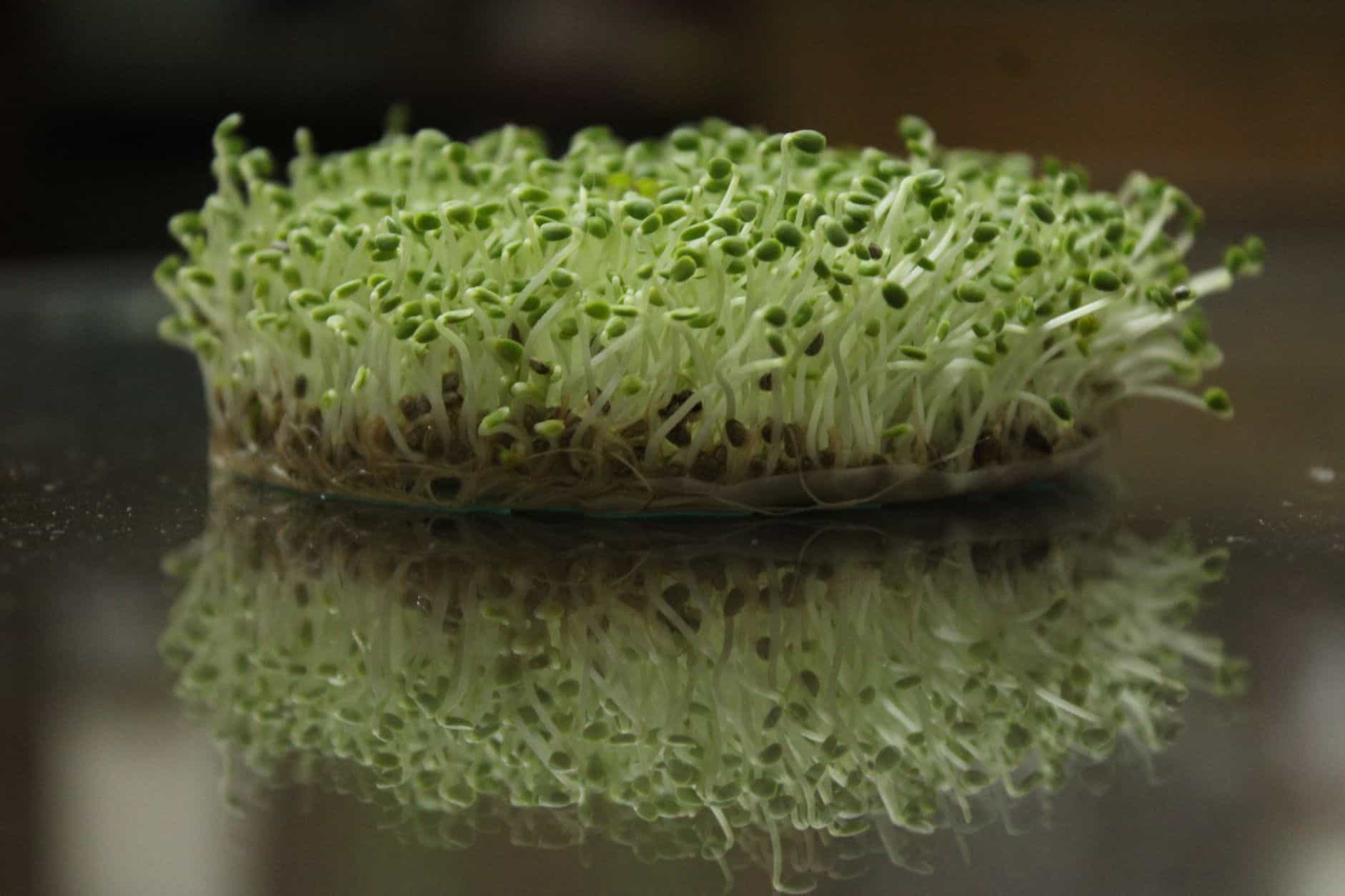
Organic kale microgreens are the young, tender seedlings harvested after the emergence of the cotyledons and before the full development of true leaves, distinguishing them from kale sprouts that comprise only the seed and rudimentary shoot or root structures. Micro kale typically refers to microgreens derived from various cultivars of the kale plant (Brassica oleracea var. sabellica), offering concentrated nutrient profiles and complex flavors compared to mature kale leaves.
Kale belongs to the Brassica family, which includes broccoli, cabbage, and Brussels sprouts, sharing traits such as high glucosinolate content and adaptability to temperate climates. Among commonly grown kale microgreens varieties, Red Russian kale is prominent for its purple stems, deeply lobed leaves, and a mild, earthy flavor profile. It reaches harvest maturity within a 7 to 14 day window from the time of sowing, specifically when cotyledons have fully expanded but before true leaf emergence.
Other varieties, such as Green kale microgreens, tend to have softer stems and a pepperier taste. Selecting a cultivar depends on intended culinary applications and flavor preferences. For example, growers targeting salads and garnishes often prefer the milder Red Russian, while those seeking stronger flavors may opt for Tuscan or Curly kale cultivars.
Selecting and Preparing Organic Kale Microgreens Seeds
Quality of organic seeds is critical to successfully grow kale microgreens. Certified organic seeds, compliant with standards such as the EU Organic regulation (Regulation (EU) 2018/848) or equivalent national certifications like BIO Serbia, ensure the absence of synthetic pesticides, fungicides, and genetically modified organisms (GMOs).
Seed density is essential for uniform germination and avoiding overcrowding. Industry guidelines recommend sowing approximately 15 to 20 grams of kale microgreens seeds per 10×10 inch (25×25 cm) tray. This density balances coverage without excessively inhibiting airflow or light penetration to the microgreens.
Prior to sowing, seeds may be soaked in clean, non-chlorinated water for 4 to 8 hours to enhance germination rates and reduce initial pathogen load. Organic-compatible seed sterilization methods—such as using a dilute hydrogen peroxide rinse—can be applied carefully to prevent mold outbreaks. Proper seed storage involves cool (4 to 10°C), dry environments shielded from light, with fresh seed batches exhibiting 85% to 95% germination rates within 12 months of harvest.
Step-by-Step Growing Process for Organic Kale Microgreens
The growing medium must comply with organic certification standards; common substrates include coconut coir, composted bark, or peat-free organic soil mixes free from synthetic additives. These media should be moistened to field capacity before sowing, ensuring good moisture retention without water pooling that can induce damping-off disease.
Seed sowing at the prescribed density involves an even spread of kale microgreens seeds over the surface of the medium, lightly pressing to ensure contact but avoiding burying the seeds. Environmental controls maintain a temperature range of 18 to 22°C with relative humidity set between 60% and 70%. This range supports optimal germination while reducing fungal risks.
Irrigation is generally performed using fine mist spray, ideally twice daily or more frequently as environmental conditions dictate, avoiding saturation. After germination (typically 2 to 3 days), microgreens require light exposure—either indirect natural sunlight o full-spectrum LED grow lights emitting photosynthetically active radiation (PAR) in the range of 400–700 nm with intensities around 100–200 μmol·m−2·s−1.
Harvesting occurs within 7 to 14 days after sowing, timing the cut when cotyledons are fully opened and before the first true leaves develop. This window maximizes nutrient density and the desired tender texture. Microgreens are cut just above the growing medium using sanitized scissors or blades to minimize contamination.
Nutritional Benefits and Culinary Uses of Organic Kale Microgreens
Organic kale microgreens are considered a superfood due to their heightened levels of vitamins A, C, and K as well as antioxidants including polyphenols, carotenoids, and glucosinolates, key compounds linked to cancer-preventative properties. Analytical studies demonstrate that per gram, microgreens can contain between 4 and 40 times higher concentrations of these micronutrients compared to mature leaves, depending on growing conditions and cultivar.
Their flavor profile is earthy and mild yet distinct, making them suitable for garnishes, incorporation into salads, addition to sandwiches, or blending in smoothies where a nutrient boost is desired without overpowering flavor. Optimal serving size ranges from 10 to 20 grams per meal, providing measurable nutrient intake without overwhelming textures.
Food safety practice requires thorough washing under potable water to remove soil and potential microbial contaminants. Refrigeration in breathable packaging, such as perforated polyethylene containers, extends shelf life up to 5 to 7 days while preserving texture and nutrient integrity.
Common Challenges and Maintenance Tips in Growing Kale Microgreens
Fungal diseases, especially damping-off caused by Pythium o Rhizoctonia species, are the primary risks, exacerbated by excessive humidity or poor ventilation. Maintaining relative humidity below 70% and ensuring active air circulation through fans or vents helps suppress these pathogens.
Organic pest management excludes synthetic pesticides; instead, implementing integrated pest management (IPM) involves mechanical exclusion (e.g., sticky traps), encouraging beneficial insects such as predatory mites, or applying certified organic biopesticides like neem oil or Bacillus thuringiensis formulations where permitted.
Lighting should avoid heat buildup; microgreens perform best under indirect sunlight or temperature-controlled LED grow lights designed specifically for plant cultivation, providing spectral balance and energy efficiency without causing dehydration or heat stress.
Harvesting protocols recommend cutting microgreens 2–3 mm above the medium to reduce the risk of substrate contamination. Immediate post-harvest cooling and use of breathable packaging materials preserve freshness and nutrient content during storage and distribution.
Integrating Kale Microgreens into Sustainable Agrivoltaic Farming Models
Solar Plus Garden integrates organic kale microgreens cultivation within its community-supported agrivoltaic framework, combining solar power generation and agriculture on the same land footprint. This integrated model enhances land-use efficiency by providing up to 3,000 garden parcels (garden boxes) simultaneously supporting renewable energy and fresh organic food production.
Community members access garden parcels through a regulated membership system involving a 200 € pago único membresía de jardín fee. Members may optionally subscribe to a Caja de jardín plan costing €20 per month that provides 18 annual deliveries of fresh organic vegetables, including micro kale and kale microgreens.
Revenue from solar energy investments funds both energy infrastructure and community garden operations, including maintenance, education, and membership coordination. This transparent financial structure adheres to strict legal frameworks separating the Estonian OÜ managing solar assets and the Serbian DOO operating the garden, ensuring regulatory compliance and investor confidence.
Choosing Organic Kale Microgreens Seeds: What to Look For and Where to Buy
Certificado organic kale microgreens seeds must comply with regional organic standards such as EU Organic regulation (Regulation (EU) 2018/848), USDA Organic, or national equivalents like BIO Serbia. These guarantees confirm that seed production excludes synthetic chemical treatments and GMO genetic material.
Seed suppliers focusing on Brassica microgreens offer a range of cultivars, including the well-characterized Red Russian kale, prized for its stable germination rates (typically above 85%) and favorable taste and growth profile. Evaluating suppliers includes assessing batch traceability, seed treatments permitted under organic certification, and customer feedback on germination consistency.
Within the Solar Plus Garden ecosystem, members access seeds and substrates through vetted affiliated supply channels, improving traceability and compliance with organic standards across the entire growing cycle.
Preguntas frecuentes
- How long does it take to harvest organic kale microgreens after sowing?
- Harvest typically occurs between 7 and 14 days after sowing when the cotyledon leaves are fully expanded and before the first true leaves develop.
- Can I grow organic kale microgreens indoors without sunlight?
- Yes, using full-spectrum LED grow lights with an intensity around 100–200 μmol·m−2·s−1 that cover the 400–700 nm photosynthetically active radiation range supports healthy indoor kale microgreens growth.
- What is the recommended seed density for growing kale microgreens effectively?
- A seed density of approximately 15–20 grams per 10×10 inch (25×25 cm) tray ensures even coverage with sufficient airflow and minimizes overcrowding risk.
- Are kale microgreens safe to eat raw, and how should they be stored?
- Yes, after thorough washing, kale microgreens are safe to eat raw. Store them refrigerated in breathable packaging and consume within 5 to 7 days for optimal freshness and nutrient retention.
Conclusión
Selecting certified organic kale microgreens seeds such as Red Russian and adhering to clear cultivation protocols—including proper seed density, organic-approved substrates, environmental control, and timely harvest—enable growers to produce micro kale with consistent nutrition and flavor. Managing humidity and airflow mitigates common risks like fungal diseases, while organic pest management maintains plant health without synthetic chemicals.
Participation in community-supported agrivoltaic systems like Solar Plus Garden combines organic vegetable production with solar energy investment, yielding environmental benefits, stable financial returns, and enhanced community engagement. As regulatory frameworks evolve, maintaining adherence to recognized organic standards and sourcing quality seeds remain pivotal to successful growing kale microgreens on a sustainable scale.