









How Solar Investment Insurance Company Portfolios Secure Renewable Energy Investments
Key Characteristics of Solar Investment Insurance Company Portfolios in 2026
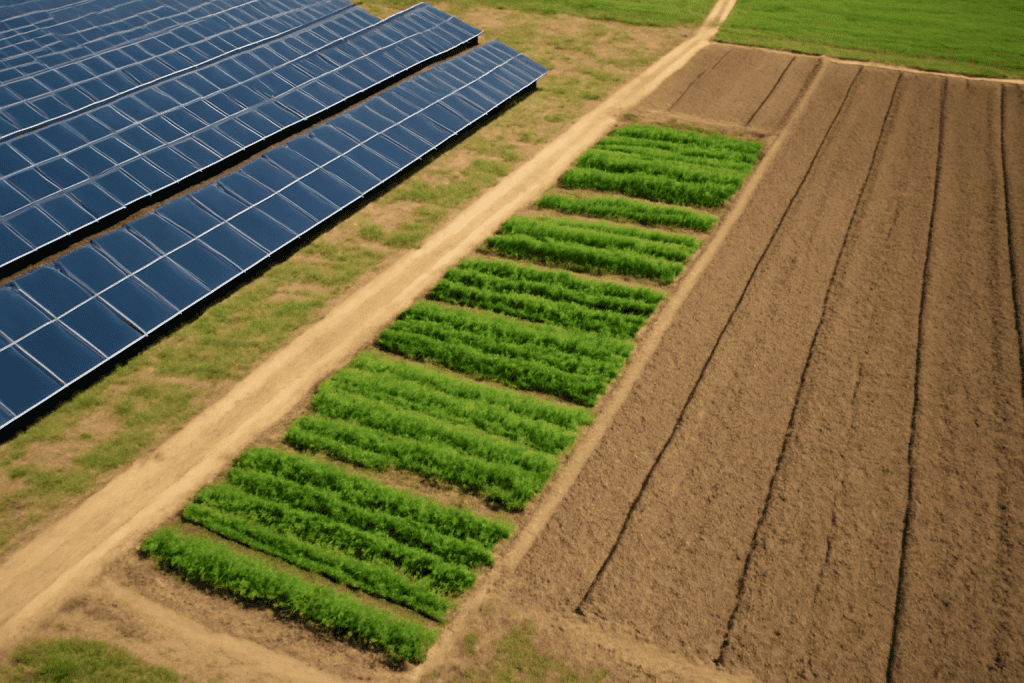
Solar investment insurance company portfolios in 2026 focus predominantly on large-scale renewable energy projects, particularly utility-scale solar farms and agrivoltaic hybrid systems that integrate photovoltaic generation with agricultural use. These portfolios include various insurance policies designed to provide comprehensive financial protection and asset protection for solar projects throughout their operational lifecycle.
Typical portfolio composition balances property insurance for physical assets, liability insurance for third-party risks, and business interruption insurance to cover revenue loss from operational downtime. Coverage limits for individual solar projects are customized based on project size, technology, and geographic risk factors, generally ranging between €10 million and €100 million, reflecting the capital-intensive nature of photovoltaic installations.
The underwriting process incorporates detailed risk assessment protocols including evaluation of solar panel technologies (for example, monocrystalline, polycrystalline, and bifacial panels), mounting types (fixed tilt, single-axis tracking), and inverter models compliant with IEC 61727 standards. Insurers perform vendor due diligence verifying warranty terms typically spanning 10 to 25 years and supplier financial stability to mitigate technology risks.
Market trends influencing portfolio management include growing incorporation of agrivoltaic insurance, responding to the increasing deployment of photovoltaic systems co-located with crop or livestock production. Additionally, demand is rising for insurance structures supporting community-backed solar investments where membership fees finance sustainability-focused activities, decoupling community benefits from direct solar asset exposure.
Risk Assessment and Mitigation Strategies in Solar Investment Insurance Portfolios
Risk assessment extends beyond basic asset damage to encompass solar project-specific factors such as weather variability, technology performance degradation, and contractual obligations embedded in performance guarantees. Weather risks evaluated include hail impact modeled with local hailstone size frequency data, wind loading evaluated to conform with Eurocode EN 1991-1-4, and temperature extremes affecting panel efficiency and electrical components.
Mitigation strategies embedded within insurance policies include clauses covering panel replacement and repairs following damage, protection against electrical faults including inverter failures consistent with IEC 62109 safety standards, and indemnification for business interruptions driven by grid outages or equipment malfunction. However, policy exclusions commonly address damage caused by gradual degradation beyond industry-accepted annual rates (typically not exceeding 1% per year), and damage resulting from unauthorized on-site modifications compromising warranty validity.
Portfolio managers apply quantitative risk models combining probabilistic weather risk simulations calibrated with decades of local meteorological data, and solar technology failure rates drawn from historical maintenance logs and warranty claim records. These analyses support diversification strategies requiring portfolios to span at least 3 to 5 geographically distinct zones to reduce exposure to localized catastrophic events such as flooding or wildfires.
Such risk management frameworks improve loss prevention and enable more accurate pricing of insurance premiums aligned with underlying asset risks.
Insurance Coverage Options and Contract Terms Specific to Solar Investments
Solarpark insurance portfolios include diverse policy types to cover the comprehensive spectrum of solar project risks:
- Property insurance: Covers physical damage to solar panels, mounting structures, transformers, and electrical equipment, supporting asset repair or replacement consistent with manufacturer specifications.
- Liability insurance: Protects project owners and operators from third-party claims arising from accidents, environmental damage, or property damage linked to the solar site operations.
- Business interruption insurance: Compensates for lost revenue during unplanned downtime attributable to insured events such as equipment failures or natural disasters.
Coverage extends to risks including solar panel degradation within industry norms (up to 1% annual performance loss), electrical faults such as arc faults or inverter tripping, and cyber risks threatening plant monitoring and control systems, increasingly targeted as photovoltaic systems become digitally integrated under IEC 62443 standards.
Contract terms typically mirror solar asset life expectancy, commonly spanning 20 to 25 years, and may incorporate extensions aligned with warranty periods or power purchase agreement (PPA) durations. Underwriting incorporates detailed review of performance guarantees within EPC and O&M contracts, which may limit coverage scopes to exclude losses recoverable under contractual guarantees or warranties, creating layered risk transfer mechanisms.
Precise definition of contract durations, deductible structures, and contingency clauses is necessary to align insurance coverage with project cash flow timelines and minimize claims disputes.
Portfolio Diversification Strategies Employed by Solar Investment Insurance Companies
Diversification strategies are implemented to ensure portfolio resilience and balanced risk exposure. Key diversification parameters include:
- Project scale: Balancing exposure between smaller community solar systems (up to 1 MW) and large utility-scale farms exceeding 50 MW.
- Geographic distribution: Allocating capital across stable solar markets in Western Europe and North America alongside emerging markets such as Eastern Europe and North Africa to mitigate region-specific weather and regulatory risks.
- Technology variety: Combining traditional photovoltaic panels with advanced bifacial modules that capture albedo-reflected light, and agrivoltaic hybrids that diversify revenue with crop yields.
Individual project exposure is capped at a maximum of 15% of total portfolio value to prevent concentration risk. Agrivoltaic projects constitute up to 25% of portfolio allocation, based on their demonstrated lower intra-annual yield volatility and complementary revenue streams from agricultural production.
Community-backed investment models like Solar Plus Garden introduce a novel asset class, integrating membership fees which finance garden and community activities independently of direct solar asset ownership housed in a separate legal entity. This structural separation enhances overall investment security by diversifying income sources and isolating operational risks.
Evaluating Solar Investment Insurance Providers: Criteria and Performance Metrics
Selection criteria for insurance providers emphasize financial strength, specialized underwriting expertise, and transparent claims management aligned with solar project risks. Providers with a minimum rating of A- or higher from AM Best or Standard & Poor’s are prioritized to ensure capital adequacy for long-term liabilities.
Claims history is monitored closely, with leading solar investment insurers reporting solar-specific claims loss ratios below 30% over rolling five-year periods, indicating effective loss prevention and risk management. Providers must demonstrate dedicated in-house teams specializing in renewable energy, particularly solar and agrivoltaic technologies, to address complex underwriting requirements.
Transparent disclosure of policy exclusions, premium calculation methodologies, and contract terms supports clearer investor risk assessment. Portfolio management approaches are evaluated for alignment with client risk tolerance, particularly how insurers address emerging risks such as cyber threats, evolving weather patterns, and performance guarantee liabilities.
Impact of Insurance on Solar Investment Returns and Project Financing Stability
Comprehensive insurance coverage reduces operational and financial risks, thereby stabilizing cash flows essential for meeting financing obligations. Lenders routinely require insured portfolios to satisfy underwriting criteria, making insurance a pivotal component of project financing structures.
Solar project insurance premiums typically range from 1% to 3% of annual operating costs, depending on project location, scale, and risk profile. Although premiums decrease net investment returns, the enhanced investment security lowers the cost of capital, with observed reductions in financing expenses around 0.5 percentage points, improving overall payback timeline and net present value calculations.
Insurance thereby plays a critical role in improving risk-adjusted investment returns, supporting longer-term commitment from project developers and investors by mitigating exposure to unforeseen losses.
Regulatory Environment and Compliance Challenges Shaping Solar Investment Insurance
The regulatory environment influencing solar investment insurance in 2026 includes compliance with EU Renewable Energy Directive 2026 Und Solvency II capital adequacy requirements that govern insurer financial reserves and risk-based capital calculations. These frameworks mandate detailed reporting on portfolio risk profiles and reserve adequacy to ensure financial protection for policyholders.
Insurance providers must adhere to regulatory mandates limiting permissible coverage scopes and underwriting approaches, influencing pricing and claims adjudication. Enhanced risk reporting protocols introduced by European supervisory authorities improve transparency and facilitate integration of Environmental, Social, and Governance (ESG) criteria into portfolio governance.
ESG considerations increasingly affect underwriting decisions and risk mitigation strategies, aligning insurance coverage with broader renewable energy policy goals such as carbon reduction targets and sustainable agriculture practices embedded in agrivoltaic deployments.
Case Studies Illustrating Solar Investment Insurance Portfolio Management in Practice
A representative example involves a 10 MW solar farm portfolio located in Estonia, underwritten with a strategic emphasis on weather-related risk and technological reliability. Following extreme weather events in 2024, the insurer implemented enhanced risk mitigation actions, including improved panel anchoring systems and diversified coverage clauses addressing hail and wind damage. These adjustments contributed to a 15% reduction in loss ratios on subsequent claims.
The portfolio also integrates agrivoltaic components combined with a Mitgliedschaft in der Gemeinschaft model similar to Solar Plus Garden. Membership fees finance separate garden and community activities, creating an additional stability layer that protects the core solar investment from social governance risks while boosting community engagement.
This case demonstrates how adaptive portfolio management, proactive risk reassessment, and clear insurance claims procedures collectively enhance investment security and promote operational resilience in renewable energy projects.
Häufig gestellte Fragen
- What types of insurance policies are essential for protecting solar investment portfolios?
- Essential policies include property insurance covering physical damage to panels and infrastructure, liability insurance for third-party claims related to on-site incidents, and business interruption insurance that compensates for revenue loss during insured downtime. These policies address risks stemming from equipment failure, extreme weather, and operational interruptions.
- How do insurance providers assess risk specific to solar energy projects?
- Risk assessment combines localized weather models, historical technology failure statistics, regulatory compliance status, and prior claims experience. This data informs underwriting decisions regarding coverage limits, premiums, policy exclusions, and asset protection measures reflective of underlying solar project risks.
- Can insurance coverage improve the financing terms for solar projects?
- Yes, comprehensive insurance reduces perceived risk for lenders, enhancing project creditworthiness. Banks and financial institutions frequently mandate insured portfolios as a condition for loan approval, enabling lower interest rates and extended financing tenors which contribute to improved project cash flow stability.
- What impact do insurance premiums have on the overall return of solar investments?
- Insurance premiums, typically constituting 1% to 3% of annual operating costs, marginally reduce net returns. However, by mitigating solar project risks, supporting financing stability, and reducing unexpected loss exposure, insurance improves risk-adjusted returns and safeguards capital preservation over the project’s operational lifespan.
Abschluss
For project developers, property owners, and investors evaluating solar investment insurance company portfolios, thorough due diligence on insurance policy types, coverage limits, and provider credibility is essential. Prioritizing portfolios with robust risk management frameworks, including tailored underwriting processes for solar and agrivoltaic technologies, strengthens investment security. Incorporating innovative community-backed models like Solar Plus Garden further diversifies investment strategies and risk profiles.
Constant monitoring of regulatory developments and technological advances is necessary to maintain portfolio alignment with evolving solar project risks. Transparent portfolio management and precise insurance claims handling are fundamental in securing stable investment returns and supporting the sustainable growth of renewable energy projects.
Weiterführende Lektüre
- Unterschiede zwischen konservativen und flexiblen Anlageportfolios: Ein Leitfaden zur optimalen Portfolioaufteilung
- Solarenergie-Investitionsgesellschaft: Wir gestalten eine nachhaltige Energiezukunft
- Investieren Sie noch heute in Solarenergie: Ihr umfassender Leitfaden für nachhaltige Investitionen in erneuerbare Energien.