








Best Solar Investment Deals: How to Invest in Solar Energy Projects for Stable Returns
Overview of Solar Investment Opportunities in Renewable Energy
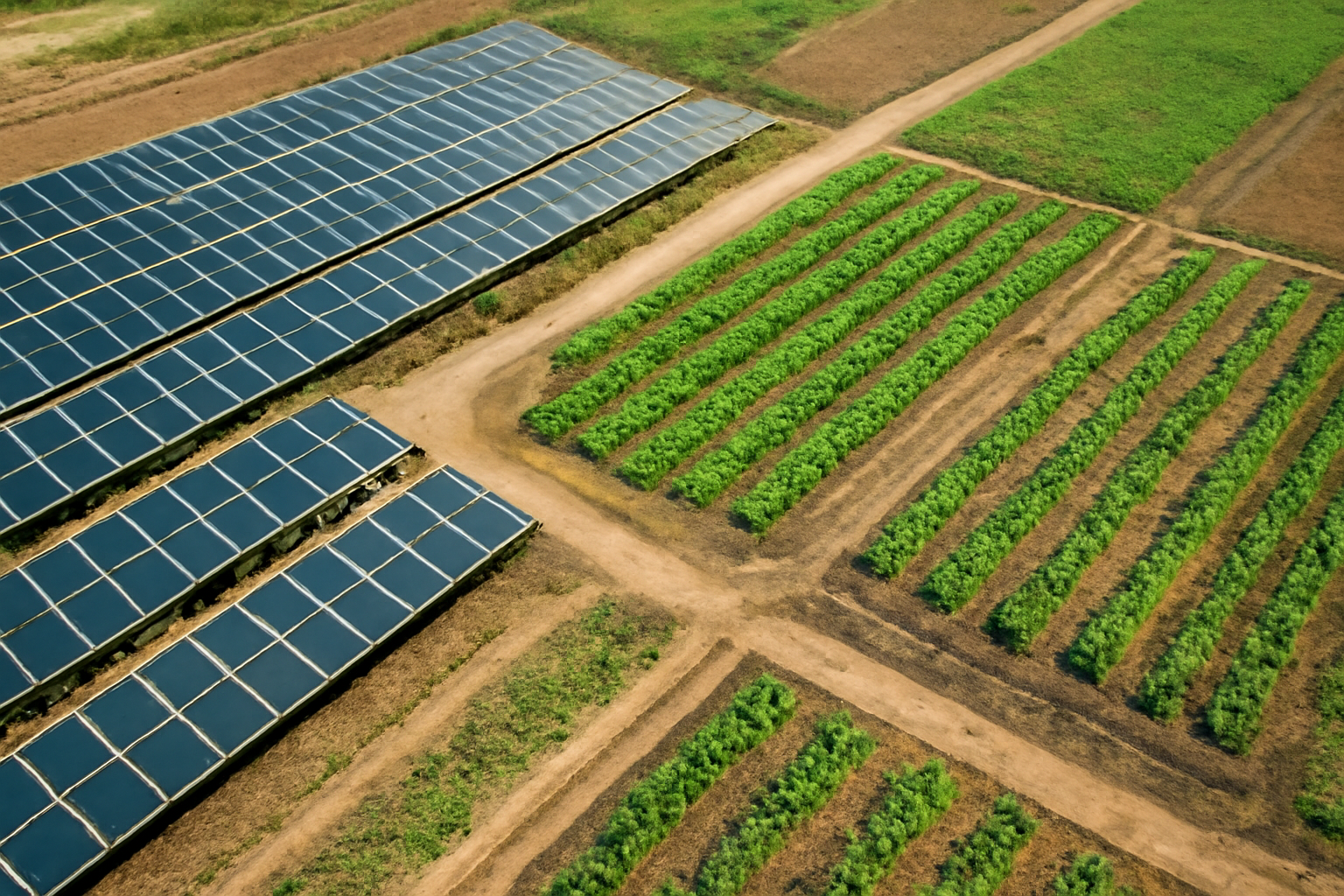
The renewable energy sector has expanded its footprint globally, with solar energy projects representing a critical segment within the energy space. Solar farms contribute clean electricity to national grids, directly reducing reliance on fossil fuels and lowering carbon emissions.
Investing in solar projects provides access to renewable energy markets, which have shown steady growth in solar stocks and energy stocks. These equities are influenced by factors such as government policy incentives, technological advancements—like improvements in photovoltaic panel efficiency—and changing consumption patterns.
For example, Solar Plus Garden’s 10 MW solar project offers a community investment platform structured within a regulated legal framework. This transparent approach allows investors to participate in the ownership and financial performance of utility-scale solar installations managed under Estonian and Serbian jurisdictions.
How Investing in Solar Energy Projects Works: Mechanisms and Models
Investing in solar energy projects can take multiple forms, designed to accommodate various investor profiles regarding risk tolerance and capital commitment. The common mechanisms include direct investment in solar installation equity, debt financing via loan instruments, and membership-based models that combine investment with community engagement.
Solar Plus Garden utilizes a membership-based model: investors pay a Garden membership fee, part of which is allocated to the solar project’s capital and operational expenses. This creates alignment between the financial performance of the solar assets and the community benefits derived from agrivoltaics.
The project offers two clearly defined return on investment (ROI) pathways:
- Long-term equity share: Available in phases 1 and 2, this model grants investors proportional ownership in the solar farm, entitling them to dividends based on annual net profits and potential value appreciation of the installation asset over the typical 25-30 year solar panel lifespan.
- Guaranteed payout: Introduced in phase 2, this option provides investors with fixed returns on investment, insulating them from fluctuations in solar farm output or energy market prices. The payout schedule is contractually defined and aligns with standard loan repayment frameworks used in energy projects.
These models offer investors flexibility, allowing them to balance risk exposure against expected financial returns within a regulated and transparent environment.
Cost Considerations for the Best Solar Investment Deals
Entry costs for solar investment are designed to be accessible, lowering barriers for small and medium investors. Solar Plus Garden sets the minimum investment threshold at €500. This enables a diversified pool of participants without necessitating large capital outlays typical of traditional utility-scale projects.
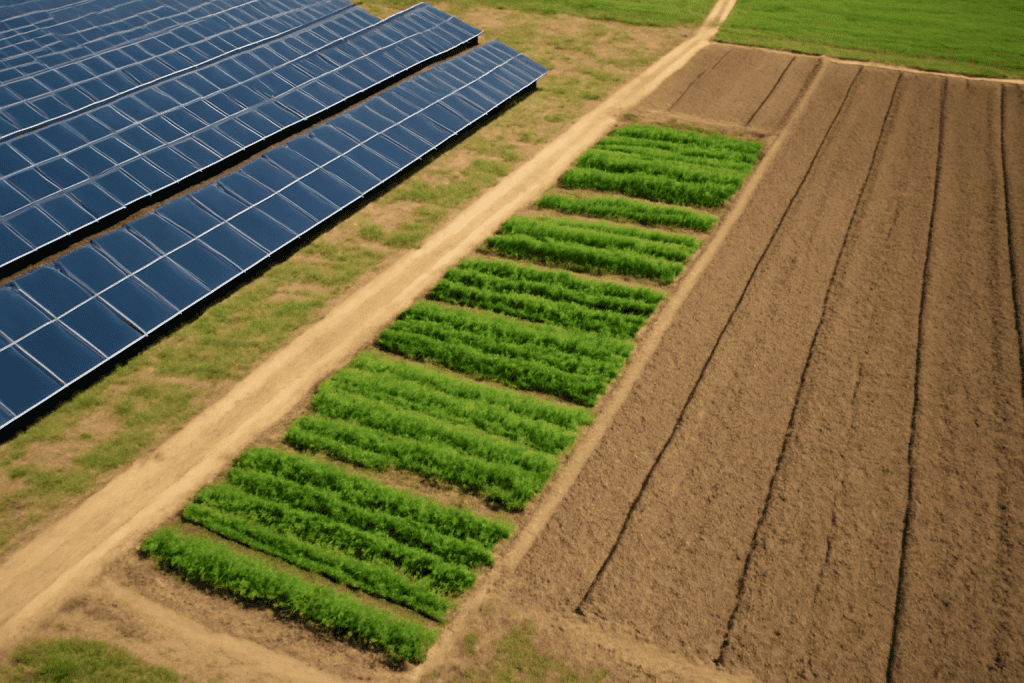
In addition, a one-time Garden membership fee of €200 secures investor participation in community-driven activities linked to the agrivoltaic component. This fee supports project governance and community management costs. Investors may also opt into a monthly €20 subscription for the Garden box, which provides up to 18 annual deliveries of fresh, local produce cultivated under solar panels, demonstrating the integration of agriculture and solar installation.
Operational costs, including installation expenses, equipment maintenance (such as inverter replacements typically scheduled every 10-15 years), and site management, are structurally accounted for within this investment approach. The legal structure segments responsibilities between the Serbian DOO, which owns and operates the solar farm, and the Estonian OÜ, which manages the garden community, supporting up to 3,000 individual garden parcels. This separation ensures financial clarity, risk management, and scalability.
Risk Factors Associated with Investing in Solar Energy Projects
Investing in solar energy carries operational, regulatory, and market risks. Solar Plus Garden addresses these through a clearly defined legal and financial framework, anchored by incorporation of the Estonian OÜ on February 20, 2026. This entity oversees compliance with EU regulations concerning investor protections and financial transparency, while the Serbian DOO adheres to national energy licensing and grid interconnection standards.
The project eschews ambiguous escrow-like fund models; instead, funds are managed through a secured payment and escrow system that ensures capital deployment is strictly controlled and verified, eliminating unauthorized spending risk.
Operational risks arise from potential technical failures (e.g., inverter downtime, panel degradation rates of approximately 0.5% annually) and volatility in wholesale energy prices. Solar Plus Garden mitigates these through proactive maintenance protocols, regular performance monitoring using SCADA systems, and transparent communication with investors via dashboard updates.
Step-by-Step Guide to Joining a Solar Investment Project
Prospective investors can engage with Solar Plus Garden through a sequence designed for regulatory compliance and simplicity:
- Register on the Solar Plus Garden digital platform and complete mandatory KYC (Know Your Customer) and KYB (Know Your Business) identity verification procedures, ensuring adherence to anti-money laundering (AML) standards.
- Choose the preferred investment type: long-term equity share or guaranteed payout plan, based on personal risk profile and investment horizon.
- Remit the €200 Garden membership fee and, if desired, subscribe monthly to the Garden box program delivering agrivoltaic produce.
- Utilize the platform’s investor dashboard to monitor investment performance, access financial reports, and receive community updates.
Solar Plus Garden also offers a streamlined affiliate approval workflow with a guaranteed 48-hour application turnaround, supporting faster access for interested participants.
Comparing Solar Investment Options: Equity, Loans, and Membership Models
Solar investment structures range from equity stakes, debt instruments, to membership fees funding communal benefits:
- Equity shares grant investors ownership rights and participation in profit distributions, exposing them to both operational risks and asset appreciation potential over the 25-30 year lifespan of solar installations.
- Loan-based investments provide fixed income through contractual repayment schedules, minimizing operational risk by prioritizing debt service over profit sharing.
- Membership fees fund non-financial community benefits, such as the Garden box agrivoltaic program, and generate value outside traditional ROI models by enhancing investor involvement and tangible real asset benefits.
Solar Plus Garden’s hybrid approach combines equity and membership, enabling investors to diversify their portfolio and align investment objectives with sustainability and community impact goals, while maintaining transparent governance and clearly defined investor rights.
Local Market Context and Regulatory Environment for Solar Investments
The viability of solar investments depends heavily on the regulatory frameworks and incentive environments in relevant jurisdictions. Solar Plus Garden operates through an internationally coordinated structure combining Estonian and Serbian entities for optimized legal compliance and operational management.
The Estonian OÜ, incorporated in early 2026, oversees the garden community operations and investor relations under EU financial and data protection directives. The Serbian DOO holds licenses and permits for solar installation and power generation, adhering to Serbian energy market regulations and grid interconnection standards.
Local energy tariffs, feed-in tariff schemes, and green energy subsidies directly affect project economics and investor payback. These elements are monitored continuously, acknowledging their susceptibility to policy shifts and market fluctuation.
Key Decision Criteria for Selecting the Best Solar Investment Deals
Critical factors when evaluating solar energy investments include:
- Investment minimums and accessibility: The ability to invest directly with amounts as low as €500 encourages wider participation and portfolio diversification.
- Regulatory and legal clarity: Transparent and compliant structures reduce counterparty risk, supporting investor confidence.
- Return profile alignment: Selection between equity exposure and fixed payouts should match investor liquidity needs and risk tolerance.
- Diversification opportunities: Combining solar investment with agrivoltaic garden community membership introduces both financial and social real asset benefits.
Solar Plus Garden supports investor decision-making with real-time data accessible via Notion for project narrative and decision logs, integrated with Trello for task execution, maintaining disciplined oversight throughout project phases.
The Outlook for Investing in Renewable Energy Projects Like Solar Plus Garden
Global climate policies and national energy transition targets underpin the sustained growth of solar energy installations. This growing demand enhances the stability and attractiveness of long-term solar investments, albeit subject to technological and regulatory developments.
Solar Plus Garden’s integrated agrivoltaics approach, combining renewable energy production with local organic agriculture, represents an evolving investment paradigm that merges financial, environmental, and social returns.
The project anticipates scalability beyond the initial 10 MW capacity, facilitated by a digital investment platform designed for enhanced investor engagement, transparent governance, and incremental expansion based on market conditions and community growth.
Frequently Asked Questions
- What is the minimum investment required to join a solar energy project like Solar Plus Garden?
- The minimum capital required to invest directly in the solar project is €500, accompanied by a one-time Garden membership fee of €200. This structure allows participation by individual and institutional investors with modest capital.
- How does the Garden membership model work in relation to solar investment?
- Garden membership requires a fee reinvested to finance solar project operations and community activities. It provides access to community benefits, including agrivoltaic produce delivery, operating independent of direct solar installation equity but aligned through shared governance.
- What kind of returns or payouts can I expect from solar investments?
- Solar Plus Garden offers two return pathways: long-term equity shares tied to the solar farm’s profits and potential asset appreciation, or guaranteed fixed payouts structured as debt repayments. Both are subject to project operational performance and regional regulatory frameworks.
- How is investor money protected in solar energy projects under Solar Plus Garden?
- Investor funds are administered under a legally enforceable payment and escrow model ensuring full transparency and control over expenditures. The dual legal entity structure between Estonian and Serbian companies enhances regulatory compliance and safeguards investor interests.
Conclusion
To secure the best solar investment deals, investors should assess their financial capacity, risk profile, and interest in integrating community engagement through agrivoltaics. Solar Plus Garden offers a regulated, transparent platform to invest in a 10 MW solar farm combined with a garden community model that delivers diversified benefits.
Maintaining awareness of regulatory changes and project development milestones is essential for adjusting investment strategies and optimizing returns in this dynamic renewable energy sector.