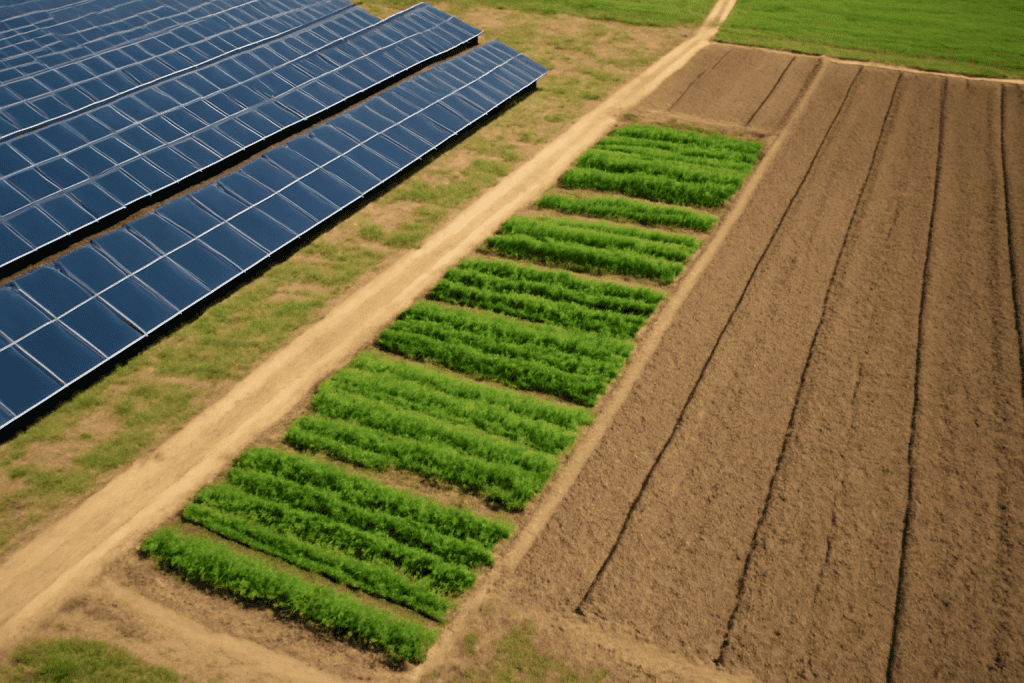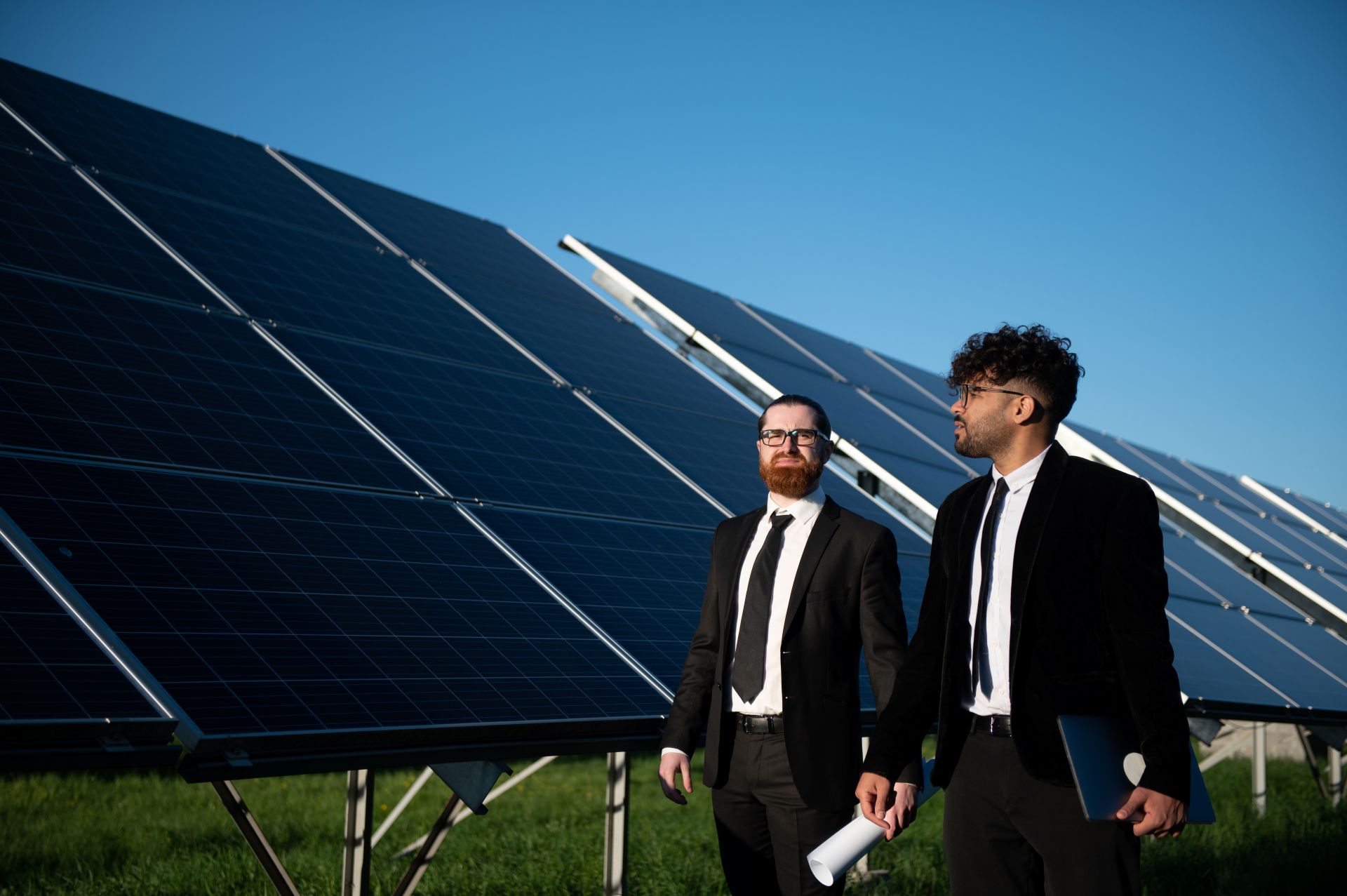







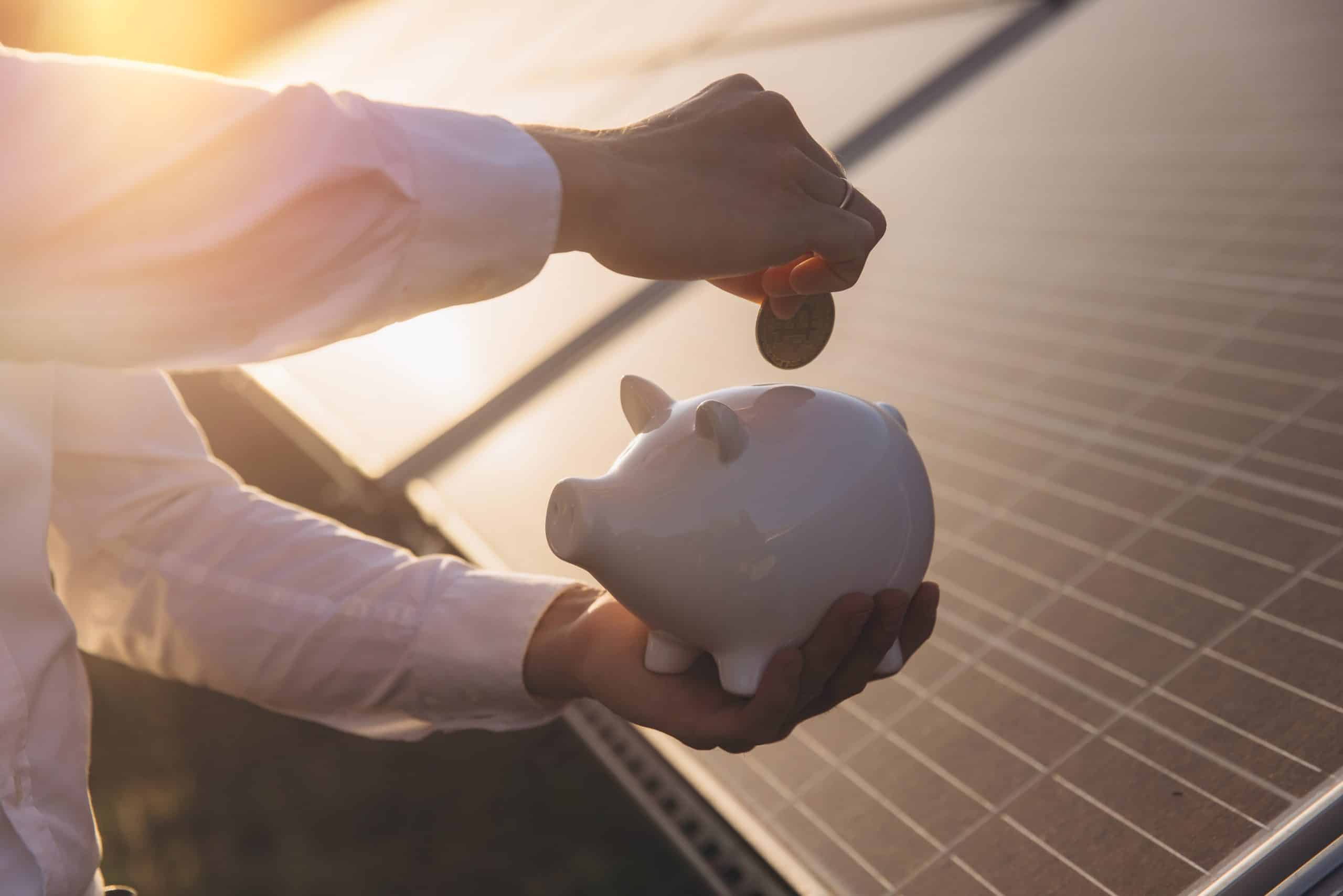
Most people who look at solar investing find one of two things: rooftop panels they have to own and maintain themselves, or a fund that holds solar shares somewhere in a portfolio. Solar Plus Garden is neither. You take a stake in a single, specific 10 MW solar power plant in South Vojvodina, Serbia — one you can visit, whose production you can track, and whose income is the only thing your return depends on.
This page explains the mechanics end to end: what you actually buy, how the money moves, who holds it along the way, and what can go wrong.
What You Are Actually Buying
You are not buying panels. You are not buying a contract with a developer. You buy a position in the company that owns the power plant.
The project uses a two-company structure, and the reason matters:
- SolarPlusGarden OÜ (Estonia) — the holding company. Investors become shareholders here. It owns 100% of the Serbian company.
- SolarPlusGarden DOO (Serbia) — owns and operates the solar plant and the garden. It receives an interest-free loan from the Estonian holding.
The split exists for two practical reasons. An Estonian entity sits inside EU company law, which is what makes cross-border participation workable and what an EU crowdfunding platform can actually process. And keeping the operating assets in a separate Serbian company means the thing that generates the electricity is legally distinct from the thing that holds your shares.
How the money moves
- In: Investors → Estonian OÜ → Serbian DOO, as an interest-free intra-group loan.
- Build: The DOO uses that capital to build and connect the plant.
- Out: The plant sells electricity to the grid. The DOO repays the loan upward to the OÜ. The OÜ distributes to shareholders.
- After the loan is repaid: The DOO pays dividends upward instead, and distribution continues.
There is a detailed breakdown of the legal structure, including where tax applies at each step, on the Ownership and transparency page.
Who Holds the Money Before the Plant Exists
This is the question worth asking of any pre-construction project, and the answer is escrow. Investor funds are held by an independent escrow agent and released against defined conditions rather than paid directly to the company. Capital is not available to spend on anything other than the project plan.
Alongside that, standard KYC (identity verification) and AML (anti-money-laundering) checks apply to every participant. These are not optional extras — they are what the regulatory frameworks below require.
The Regulatory Frame
Where you live determines the route:
- European Union — participation is structured under the ECSPR (European Crowdfunding Service Providers Regulation), through an authorised European Crowdfunding Service Provider. ECSPR sets disclosure standards, risk warnings and investor-protection rules, and it caps how much a single project owner may raise from the public in any twelve-month period at €5 million. That cap is the direct reason the project is built in phases rather than raised in one go.
- Rest of world — under Regulation S.
- United States — Regulation Crowdfunding for retail investors through registered funding portals, or Regulation D Rule 506(c) for verified accredited investors.
Two Ways to Participate
There are two formats, and they are genuinely different instruments rather than two labels on the same thing:
- Flexible — equity. You hold a proportional share of project revenue across the 2027–2051 horizon. Variable. You are a co-owner and carry the project’s risk alongside its upside.
- Conservative — loan. You lend capital at a fixed annual rate for ten years, with the principal returned at the end via a dedicated sinking fund. No equity exposure. Secured against company assets.
Which one suits you depends less on which number looks bigger and more on what you want your money to do. That comparison — including the years where one overtakes the other — is set out in full in Equity vs loan participation.
What the Numbers Look Like
The minimum participation is €500 in either format. There is no fixed maximum.
Projected returns sit in a 7–12% range depending on format, electricity price and holding period. That spread is not vagueness for its own sake: the model is anchored to a conservative baseline electricity price of €56/MWh, against a regional SEEPEX average nearer €66/MWh, with higher regional baseload prices possible. Change that one input and the whole range moves.
The interactive calculator on the Solar page lets you run those scenarios yourself. Treat every figure it produces as illustrative — a model, not a promise. Equity returns are not fixed and are not guaranteed.
What Can Go Wrong
An honest page has to include this section.
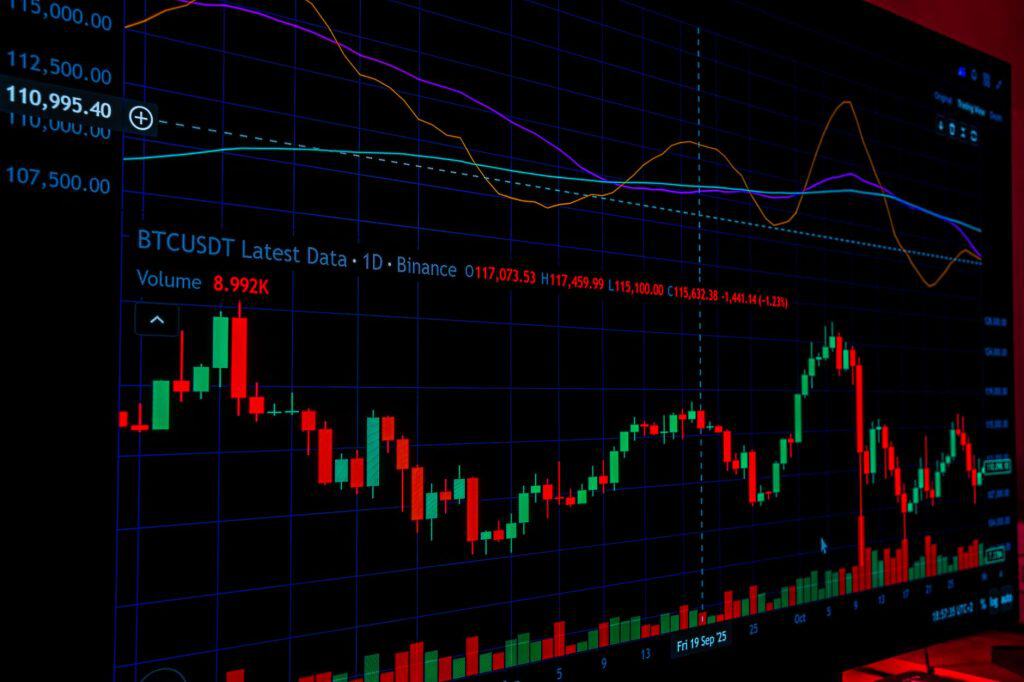
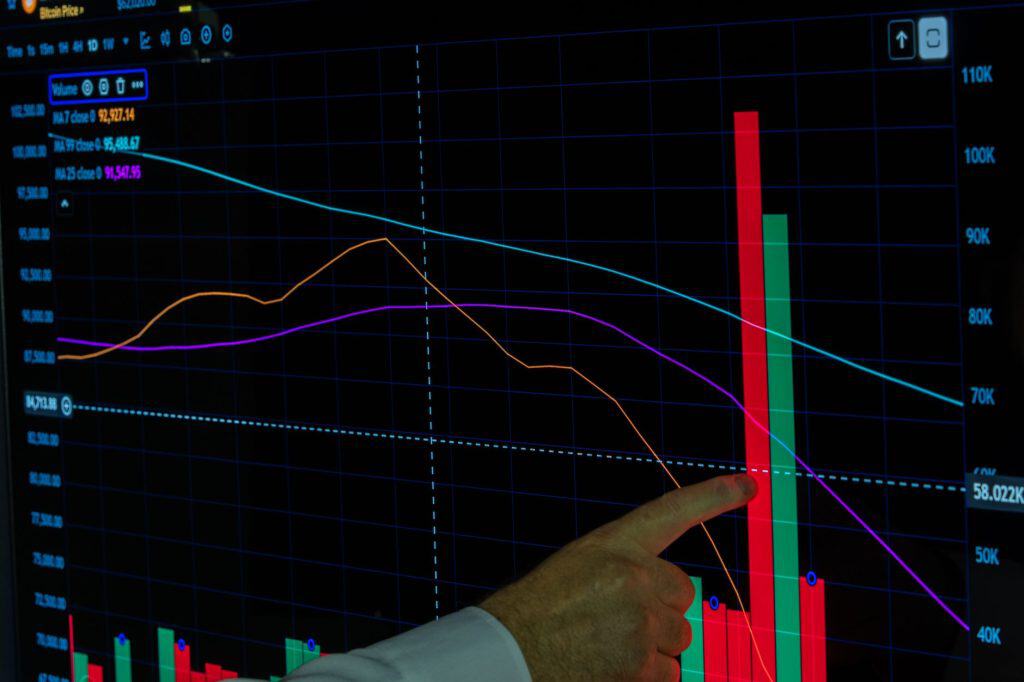
- Electricity prices fall. The project’s revenue is the price per MWh multiplied by production. A sustained fall in regional prices reduces equity returns directly.
- Production comes in below projection. Weather years vary. Equipment underperforms. Monitoring runs continuously and the parks are insured against extreme weather, but variance is real.
- The build is delayed. Grid connection and permitting are dependent on third parties.
- Your capital is illiquid. This is not a listed instrument. You cannot sell on a Tuesday because you changed your mind. Plan on the full horizon.
- The phase does not fill. If a funding phase does not reach its target, escrow conditions govern what happens to committed funds.
The loan format is structured to insulate against the first two of these; the equity format is deliberately exposed to them, because that exposure is where its upside comes from.
Where the Project Is Right Now
Phase 1 targets up to €2.2 million, with the full build-out at €7.2 million across phases. Non-binding interest registered through the waiting list passed €1.1 million in the weeks after 28 August 2026 — expressed interest, not funds received and not commitments to invest.
The sequencing, and what Phase 3’s battery storage system would add, is laid out in the project phase roadmap.
How to Take the Next Step
Nothing is open for investment at this moment. The route in is the investor waiting list: no payment, no obligation, no commitment. Joining it is what puts the full financial model, the prospectus and the phase-opening notice in front of you before a round opens — and, when a round does open, it is what gives you the chance to act before allocation is taken.
Join the investor waiting list →
Frequently Asked Questions
Do I have to become a community member to invest?
No. The €200 community membership and the garden are entirely separate from project financing. You can invest without ever joining the community, and you can join the community without investing. See community membership explained.
When does money actually leave my account?
Only when a funding phase formally opens and you choose to participate through the authorised platform. Registering interest costs nothing and commits you to nothing.
Can I invest from outside the EU?
Yes — under Regulation S for most of the world, and under Regulation Crowdfunding or Regulation D Rule 506(c) for US investors, through licensed platforms.
What do I actually receive as an investor?
Shareholder status in the Estonian holding company, access to a personal dashboard tracking production and project metrics, and annual distributions once the plant is operating and generating income.
Who runs the plant once it is built?
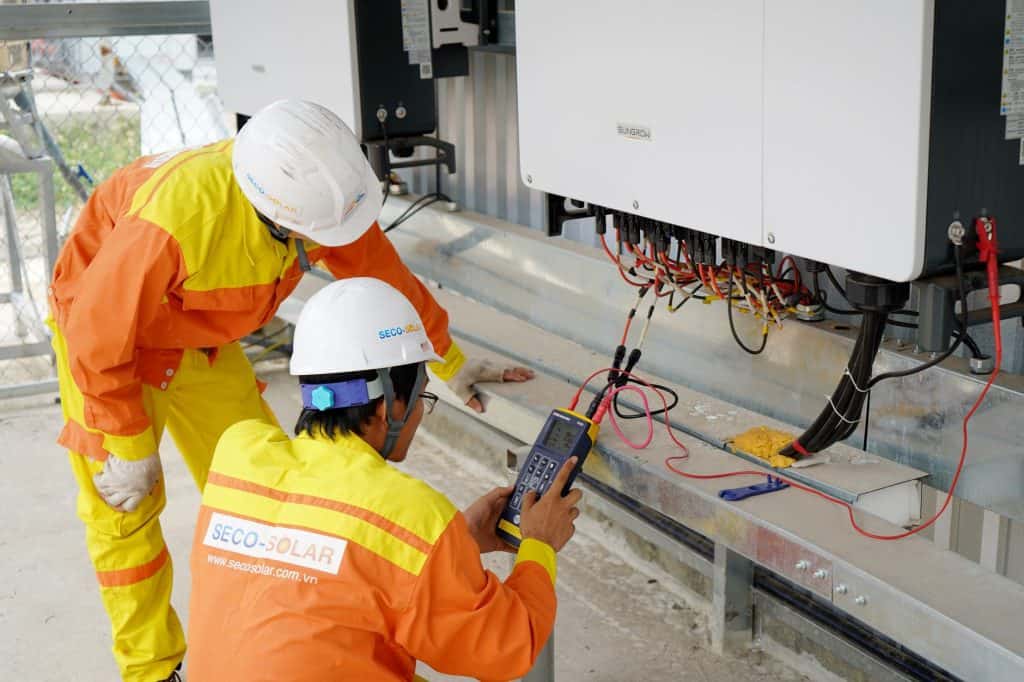
The project team handles all maintenance and repair, with a stock of spare parts held for panels, inverters and transformer-station components, and continuous monitoring. Engineering partner details are on the FAQ.
Is any of this a guaranteed return?
The equity format is not guaranteed and depends on project performance. The loan format carries a fixed rate secured against company assets. Neither removes risk entirely, and no page on this site should be read as investment advice.
This page is general information about how the project is structured. It is not an offer of securities, a solicitation, or investment advice. All figures are illustrative and based on projections that may not be realised. Any investment is made only through the applicable authorised platform or agreement, subject to the documentation provided at that time. Consider taking independent financial advice.