








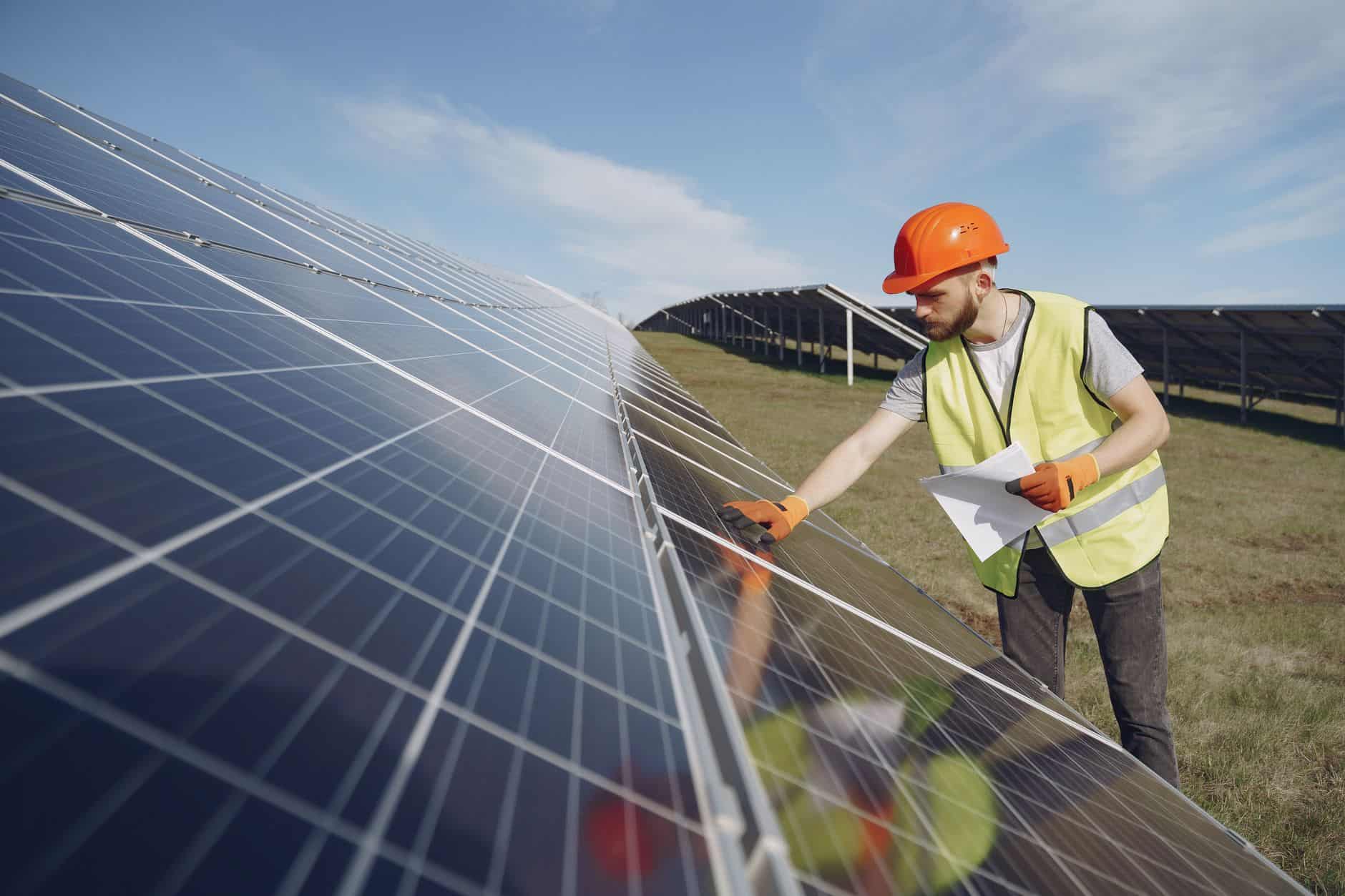
Effective Solar Construction Management: Ensuring Success for 10 MW Solar Projects and Beyond
Key Regulatory and Permitting Milestones for Solar Construction Projects
Solar construction projects involve obtaining multiple permits that are essential to comply with regulatory frameworks before ground-breaking. For Solar Plus Garden’s 10 MW project, structured under an Estonian OÜ and a Serbian DOO, navigating jurisdiction-specific permitting governs the project timeline and legal compliance.
Critical permits typically consist of:
- Construction permits: Issued by municipality or local building authorities, these authorize site works based on approved engineering and architectural plans.
- Environmental impact assessments (EIA) and permits: These confirm compliance with national and EU environmental regulations, addressing soil, water, flora and fauna impacts, with documentation submitted to environmental agencies.
- Grid interconnection permits: Required from transmission system operators or grid administrators, these ensure that the solar installation meets technical grid codes, safety standards, and does not adversely affect grid stability.
Typical permit processing durations run from 6 to 12 months but vary by country and project complexity. For instance, environmental permit approval often requires public consultation phases lasting up to 90 days. Delays in permits extend project financing costs and postpone operational revenue.
For project management, embedding permit timelines into Gantt schedules is necessary to coordinate parallel activities such as procurement and civil works. The grid interconnection permit is especially time-sensitive as it determines the commissioning window and operational handover.
Integrating Project Management with EPC Execution in Solar Construction
Construction management in solar focuses on coordinating the Engineering, Procurement, and Construction (EPC) phases, each with defined scopes and deliverables. EPC contractors typically operate under a turnkey contract, consolidating responsibility for design validation, equipment procurement, construction, and commissioning.
Procurement of long-lead items like fotonaponska (PV) modules and string inverters usually begins between 3 to 6 months prior to the intended start of installation to mitigate supply chain delays. Modules conforming to IEC 61215 standards and inverters compliant with IEC 61727 grid-connection requirements are prioritized to ensure technical compatibility and certification.
Project management software tailored for solar construction enables stepwise scheduling — civil engineering precedes electrical infrastructure setup, which in turn leads to panel mounting and final commissioning. The EPC phase concludes with performance verification tests.
A live construction management dashboard synchronized with EPC contracts tracks milestones such as foundation completion, racking installation, electrical wiring finalization, and commissioning steps. Budget tracking alongside earned value management metrics allow early corrective actions on delays or overspending.
Construction Oversight: Monitoring Quality and Compliance on Solar Sites
Quality assurance and regulatory compliance must be maintained through a structured oversight process. Critical inspection points include:
- Foundation and civil works: Verification of soil compaction, concrete strength per EN 206 standards, correct embedding of anchorage bolts according to manufacturer guidelines.
- Racking and mounting system installation: Validation of panel tilt angles (typically 15°–30° depending on site latitude), torque on fasteners as per structural manuals, and corrosion protection adherence.
- Electrical installation and commissioning: Inspections to confirm conductor sizes follow IEC 60364 standards, grounding and earthing are compliant with national electrical codes, and inverter programming aligns with grid interconnection specs.
Independent third-party audits enhance quality oversight, performing random inspections and issuing certificates of compliance. Deviations detected during inspections are entered into digital workflow tools, triggering non-conformance reports and follow-up corrective measures recorded until closure.
Maintaining this inspection regime minimizes risks of rework, non-compliance penalties, and long-term operational failures, fundamental to sound solar construction management.
Risk Management Specific to Large Scale Solar Construction Projects
Identifying and mitigating risks is central to sustainable construction management for large solar projects. Principal risks include:
- Climate and weather-related interruptions: Rain, heavy wind events exceeding 30 km/h, or temperature extremes below -10°C or above 40°C affect site accessibility and component handling, necessitating contingency buffers in schedules.
- Supply chain risks: Global constraints on polysilicon supply and semiconductor shortages can delay module and inverter deliveries, requiring procurement contracts with penalty clauses and diversified supplier engagement.
- Financial risk management: Deployment of escrow accounts tied to verifiable milestones ensures that capital disbursements occur only after documented progress, mitigating risks of contractor default or funds misuse. Solar Plus Garden employs this payment release system, informed by independent technical inspections to align investor protections with project execution.
- Site safety and labor compliance: Adherence to Occupational Safety and Health Administration (OSHA) or equivalent EU directives governs worker protections, hazard communications, and on-site personal protective equipment (PPE) enforcement.
Active risk registers reviewed regularly allow project managers to update mitigation measures based on emerging threats, with the escrow payment model promoting fiscal discipline essential for investor confidence.
Leveraging Technology and Software for Efficient Solar Construction Management
Advanced digital tools enhance construction project management for solar energy facilities by integrating scheduling, resource tracking, and quality control into centralized platforms compatible with EPC operations.
Typical software suites incorporate modules for:
- Project scheduling: Utilizing tools like Primavera P6 or Microsoft Project with solar-specific templates supporting dependencies among procurement, civil, electrical, and commissioning tasks.
- Quality assurance: Digital checklists and inspection logs enforce compliance with technical and safety standards throughout construction phases.
- Building Information Modeling (BIM): Integration of BIM or CAD data enhances spatial visualization of electrical layouts, structural frames, and cable runs, decreasing errors by providing detailed geometries for installers.
Remote monitoring solutions leveraging drones equipped with high-resolution imagers and satellite data allow management teams to verify construction progress, identify deviations, and monitor workforce distribution without needing constant on-site presence.
Solar Plus Garden applies these technologies in all stages of its 10 MW project to expedite phase handovers, support milestone documentation required by the escrow process, and maintain transparent communication with investors and contractors.
Solar Plus Garden’s Investment-Linked Community Model: Impact on Construction and Project Management
Solar Plus Garden’s model couples solar energy construction with a community agrivoltaic initiative, funding sustainability through a dual-purpose investment and membership system. Investors contribute via equity investment in the 10 MW solar plant operated by Estonian OÜ, while community members pay a €200 one-time membership fee plus an optional €20 monthly baštenska kutija subscription for local produce managed by Serbian DOO.
Legal separation between the renewable energy asset and the agrivoltaic community entity enforces clear financial accountability and regulatory compliance. Membership fees are channeled through an escrow mechanism ensuring transparent allocation toward solar operational costs and community activities.
This integrated approach supports construction project management by ensuring stable funding flows beyond capital expenditure phases and fostering stakeholder engagement that sustains long-term plant operations and maintenance efforts, thereby reducing risks associated with owner absenteeism or operational neglect.
Phased Execution and Milestone Tracking in 10 MW Solar Construction Projects
Structured phase delivery is a standard in solar construction to optimize resource allocation and risk control. Execution phases include:
- Site Preparation: Land clearing, grading, and establishing access roads, typically spanning 4–6 weeks depending on terrain and local permits.
- Installation Phase: Foundation pouring and curing (3–4 weeks), mounting system assembly, installation of PV modules, electrical cable trays, and inverter settings over 8–12 weeks.
- Commissioning: Electrical testing, grid synchronization, and performance verification following protocols based on IEC 62446, lasting 2–4 weeks. Includes functional tests, safety checks, and initial production measurement.
- Handover: Submission of as-built documentation, warranty files, and operational manuals to asset management for ongoing maintenance.
Total duration from site preparation to operational handover for a 10 MW solar construction project typically spans between 9 to 12 months, conditioned on uninterrupted permit acquisition and supply chain flow. Financial milestones require physical deliverables to be inspected and documented per contract terms before progressive payment releases.
Često postavljana pitanja
What permits are necessary before starting solar construction management for a 10 MW plant?
The project requires construction permits from local building authorities, environmental impact permits often involving a formal EIA process, and grid interconnection approvals from the national grid operator. These permits, depending on jurisdiction and project location, can take between 6 to 12 months to secure due to procedural requirements and public consultations.
How does Solar Plus Garden ensure transparency in construction-related investments?
By using an escrow payment system directly linked to verified construction milestones, Solar Plus Garden controls capital flows strictly in line with documented project progress validated by independent inspectors, preventing premature payments and increasing investor security.
What technologies improve efficiency in solar construction management?
Technologies commonly deployed include project management software with solar-tailored workflows, BIM/CAD integration for design accuracy, and drone-based site inspections providing remote verification and progress monitoring to reduce errors and administrative overhead.
How are community membership fees connected to the solar construction projects?
Članstvo u zajednici fees partially fund ongoing garden activities and contribute to the operational costs linked to the solar plant. This dual funding path is managed through legally distinct entities separated by jurisdiction and function, ensuring transparent accounting and operational independence.
Zaključak
Solar construction management for 10 MW projects requires deliberate coordination of regulatory permitting, phased EPC execution, and rigorous oversight mechanisms. Employing an escrow-based payment system tied to verified milestones standardizes financial risk control and aligns stakeholder interests.
Integration of advanced project management platforms, BIM data, and remote sensing technologies improves scheduling precision and site monitoring essential to maintain timelines within the typical 9 to 12-month construction window. Quality assurance at multiple construction stages ensures compliance with structural and electrical standards, reducing risks of rework or penalties.
Solar Plus Garden’s model uniquely combines renewable energy asset development with community agrivoltaiku through clear legal and financial structures, enhancing project resilience by linking investment returns with social sustainability.
Stakeholders preparing for execution should rigorously plan permitting schedules, select technologies supporting transparent construction management, and install comprehensive risk assessments addressing weather, supply chains, and regulatory environments to secure project success.
Povezano čitanje
- Kako sistem trgovanja solarnom energijom integriše obnovljivu energiju i investicije u zajednicu za efikasno upravljanje solarnom energijom
- Efikasne organske metode suzbijanja štetočina za održivo upravljanje baštom
- Mastering Solar Project Management: Effective Strategies for Utility-Scale Solar Development