







How to Choose the Best Investments for Inflation Protection in 2026
Understanding Inflation and Its Impact on Investment Portfolios
Inflation is defined as the sustained increase in the general price level of goods and services over time, which reduces the purchasing power of money. The most widely accepted measures include the Consumer Price Index (CPI) and Producer Price Index (PPI), which respectively track changes in retail and wholesale price levels based on standardized baskets of goods and services. Inflation defined through these indices provides essential input for active wealth management and portfolio optimization aimed at maintaining or growing real capital.
From 2016 to 2025, inflation rates in Europe, including Serbia, demonstrated variability ranging between approximately 2% in low-inflation periods and spikes up to 7%, according to Eurostat data. Periods of high inflation during 2021-2025 have eroded returns on nominal assets, emphasizing the need for targeted inflation hedge strategies.
Inflation’s impact on portfolios differs by asset class. Fixed income investments offering nominal returns face the challenge that their fixed coupon payments do not adjust with the inflation rate, leading to negative real yields when inflation exceeds nominal coupons. For instance, a bond paying a 3% fixed coupon loses purchasing power when inflation rises above this rate. In contrast, assets such as real estate or commodities generally exhibit nominal price increases aligned with or above inflation, offering potential as inflation hedges. Understanding these relationships aids in portfolio construction that can effectively protect against inflation.
Why Conventional Bonds Often Fail as a Hedge Against Inflation
Conventional nominal bonds commonly fail to protect against inflation because they pay fixed coupons unrelated to price level changes. This contrasts with inflation-linked bonds—such as Treasury Inflation-Protected Securities (TIPS) issued under US Treasury regulations—which adjust principal and interest payments based on CPI data to maintain real returns.
Aggregate bond indices, which predominantly consist of nominal bonds, recorded real yields turning negative during the inflation surges of 2022-2023 across European markets. For example, German government bonds with nominal coupons ranging 1.5-2.0% saw negative inflation-adjusted returns when inflation exceeded 5%, according to European Central Bank analyses.
Liquidity and market depth for inflation-linked bonds remain limited in many regions outside the US, diminishing their practical accessibility for some investors. Consequently, fixed income portfolios reliant solely on nominal bonds tend to perform poorly in high inflation environments. Comprehensive inflation protection strategies incorporate asset classes with inflation-indexed cash flows or real asset backing to enhance portfolio resilience.
Solar Energy Investments as a Stable Asset Class for Inflation Protection
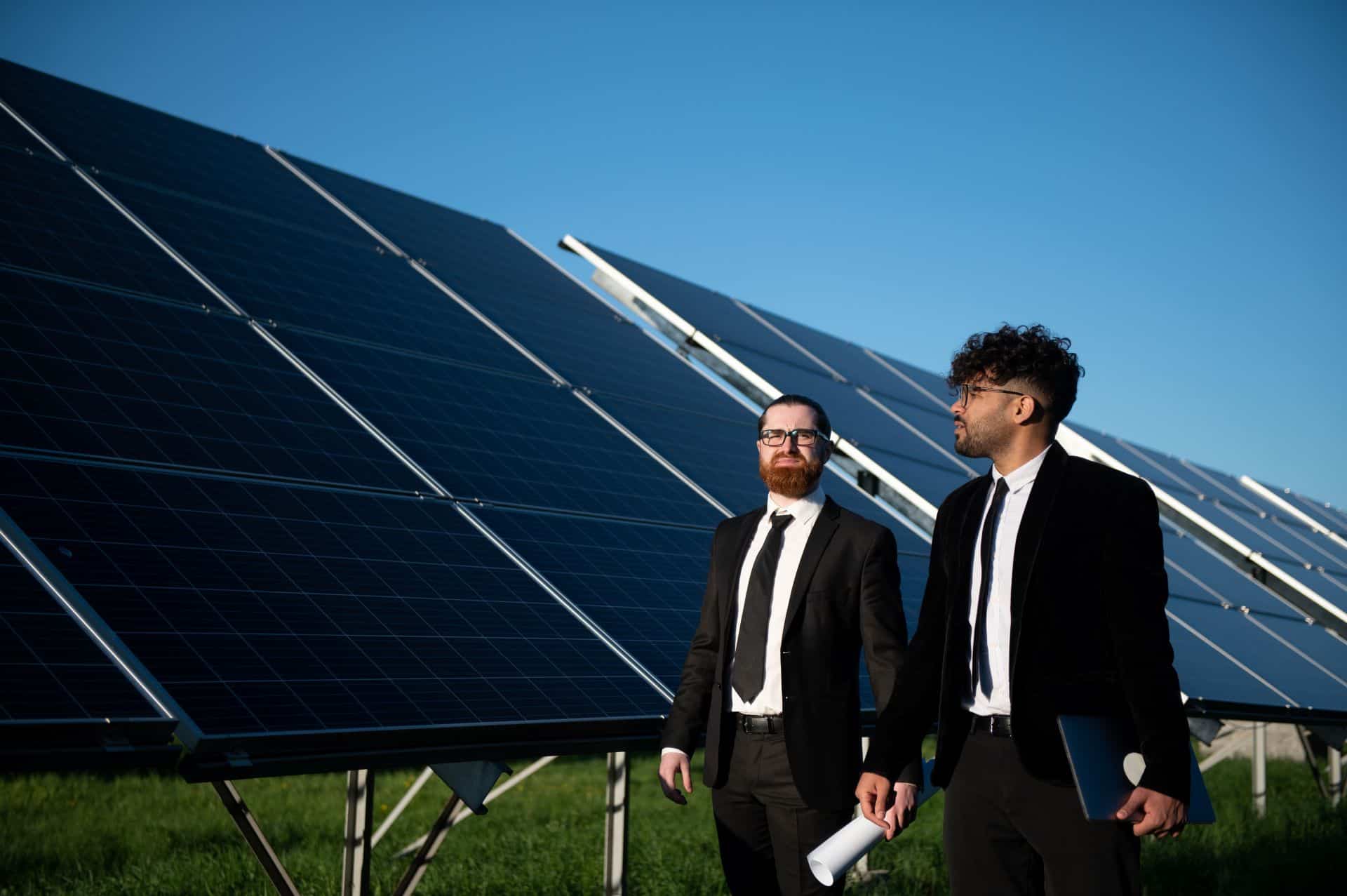
Solar energy investments offer stable, inflation-hedged revenue streams, predominantly due to their linkage to regulated energy pricing mechanisms and long-term power purchase agreements (PPAs). These contracts often include escalators tied to inflation indices or adjustments based on regional regulatory frameworks ensuring predictable cash flow over project lifespans, typically 20-25 years.
Solar Plus Garden’s 10 MW solar plant exemplifies these characteristics. The project operates under Estonian OÜ legal structures and utilizes an escrow-based payment model to safeguard investor funds and ensure transparent allocation of revenues. The escrow system follows clearly defined payment flows dictated by contractual agreements, with funds disbursed only upon verifiable milestones and expense approvals, minimizing operational and financial risks.
Part of the project’s income supports the community-centric Garden membership initiative. This model combines financial returns linked to solar energy production with reinvestment into community activities, providing investors with real asset exposure coupled with social impact. The investment vehicle’s legal framework incorporates regulated reporting obligations and enforced operational controls that directly support inflation protection by linking returns to real asset performance rather than nominal financial constructs.
Agrivoltaics and Community-Supported Agriculture: Dual Inflation Hedges
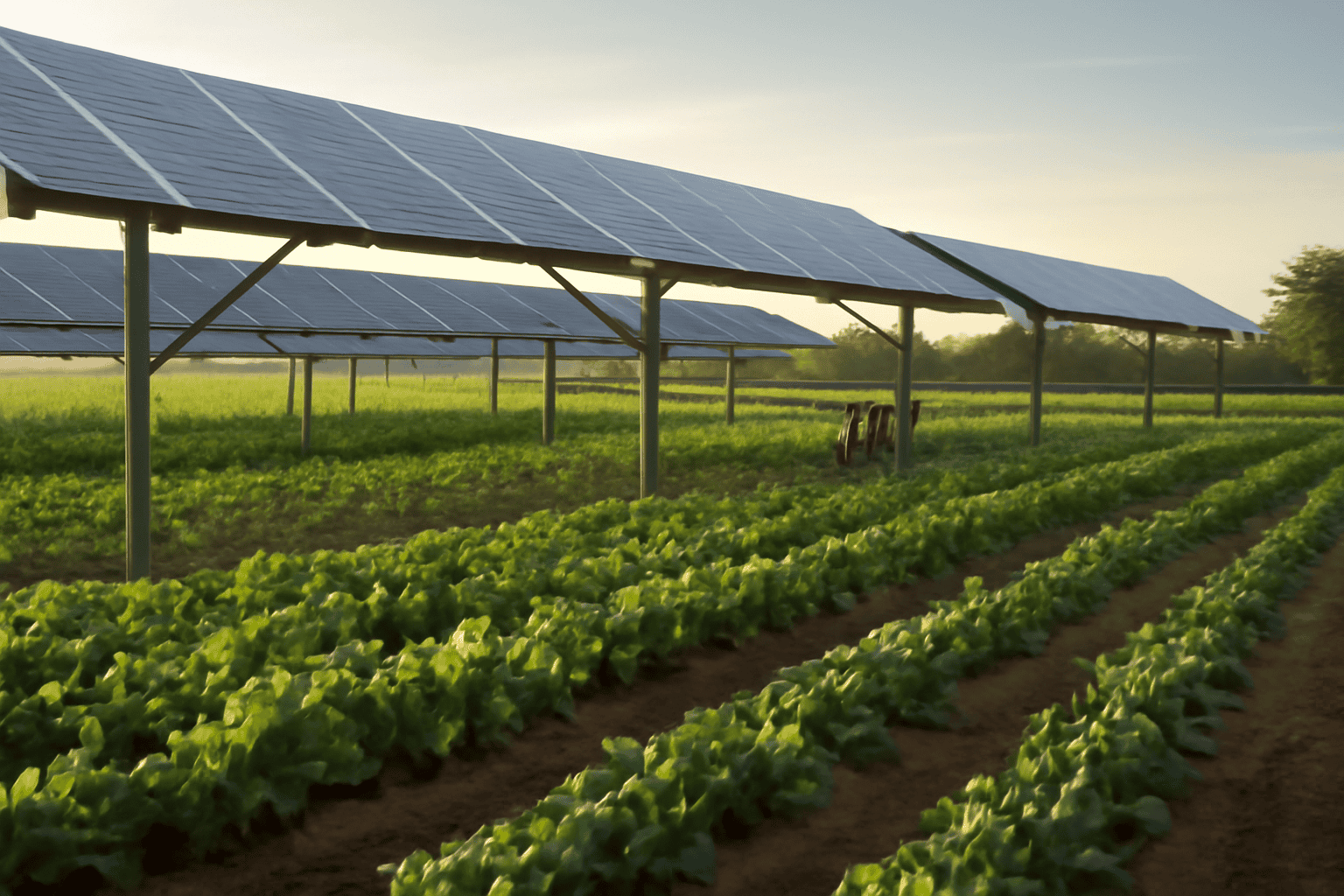
Агриволтаика refers to the simultaneous use of land for solar energy generation and agriculture, which optimizes land use and diversifies asset risk profiles. Solar Plus Garden integrates agrivoltaics with a community-supported agriculture (CSA) model through its Garden membership scheme.
The Garden membership requires a €200 one-time fee granting access to the community and offers an optional Garden box subscription at €20 per month. Subscribers receive 18 deliveries annually of fresh, locally grown vegetables, effectively mitigating exposure to food price inflation—which historically exceeds headline inflation rates. For context, food inflation in the Eurozone averaged approximately 3.5% annually from 2020 to 2025, often outpacing general inflation measures.
The project accommodates up to 3,000 individual agricultural parcels (bokseva), managed under a distinct Serbian DOO entity separate from the Estonian OÜ controlling the solar assets. This legal separation delineates financial exposure and operational governance between energy and agricultural components, thereby reducing systemic risks and enhancing investor transparency.
By combining solar energy investment with direct access to local agricultural output, Solar Plus Garden provides two inflation hedges: one linked to regulated energy revenues and another tied to food price stabilization. This dual exposure aligns with diversification principles essential for inflation hedge portfolios, especially in economies experiencing elevated inflation in both energy and food sectors.
Commodities and Real Assets: How They Perform During Inflation Surges
Commodities have long been considered classical inflation hedges due to their tangible value and scarcity. Key commodities such as gold, crude oil, and agricultural products offer price movements often correlated with inflationary trends, although their volatility differs significantly.
- Gold traded between $1,700 and $2,000 per ounce during the period 2021-2025, with prices responding to inflation expectations, currency fluctuations, and geopolitical risk factors.
- Oil prices demonstrated increased volatility, with Brent crude ranging from $50 to $120 per barrel across this timeframe, subject to supply shocks and demand variations impacting inflation.
- Real Estate Investment Trusts (REITs) provide inflation protection through rental income adjustments tied to lease escalators often indexed to inflation benchmarks such as CPI or local rent indices. However, REIT performance remains sensitive to interest rate cycles induced by inflationary monetary policies.
While commodities can protect against inflation in the short term, their price volatility and supply-demand exposures introduce risk that complicates long-term wealth management. In contrast, renewable energy projects like Solar Plus Garden secure stable, regulated revenues underpinned by long-term agreements and legal oversight, positioning them as complementary components within inflation hedge portfolios. Additionally, these solar assets generate tangible community benefits, distinguishing them from purely financial commodity investments.
Building a Diversified Portfolio Focused on Long-Term Inflation Protection
An inflation hedge portfolio should integrate assets with varying sensitivities to inflation and diversely indexed cash flows to optimize real value preservation. Key components include:
- Solar energy investments with regulated, inflation-adjusted revenue streams via long-term PPAs or feed-in tariff mechanisms.
- Agrivoltaics and community-supported agriculture providing natural inflation hedges against food price volatility through local, fresh produce access.
- Fixed income instruments such as inflation-linked bonds (e.g., TIPS or European equivalent instruments), which offer principal and interest adjustments per CPI or harmonized inflation indices.
- Commodities that capture short-term inflation spikes but require active management due to price volatility and geopolitical factors.
- Dividend-paying stocks in sectors like utilities and consumer staples, which benefit from pricing power and inflation-indexed revenues, thus supporting consistent cash flow.
Solar Plus Garden integrates these principles with transparent legal structures that separate entities by activity and jurisdiction (Estonian OÜ for solar, Serbian DOO for agriculture). The escrow payment model enforces strict fund management and milestone-based disbursements, mitigating risks of mismanagement or regulatory uncertainty that commonly affect inflation hedge strategies.
Ongoing portfolio monitoring, leveraging data streamlining tools such as Notion AI, facilitates timely adjustments to asset allocation responding to inflation trends and regulatory changes, essential for staying ahead of inflation in 2026 and beyond.
Steps for Investors to Join Solar Plus Garden and Access Inflation-Protected Assets
Investors seeking exposure to inflation-protected assets through Solar Plus Garden can proceed as follows:
- Register on the Solar Plus Garden official website to join the investor waiting list.
- Complete due diligence compliance including Know Your Customer (KYC) and Know Your Business (KYB) processes required under applicable regulatory frameworks.
- Review and understand the Garden membership model which includes a one-time €200 membership fee and an optional €20 monthly subscription for Garden box deliveries.
- Select from available investment pathways: either a long-term equity share in the phased 10 MW solar plant project or a guaranteed payout arrangement tailored to the investor’s risk profile.
- Utilize the platform’s digital monitoring tools, incorporating Notion AI capabilities, for transparent access to project documentation, payment tracking, and community event updates.
The minimum investment entry is €500, designed to accommodate small and medium investors aiming to diversify towards inflation-hedged assets. This model balances financial returns with community value propositions, integrating solar energy cash flows with local agricultural production to consolidate inflation protection.
Честа питања
What types of investments best protect against high inflation in 2026?
Investments tied to real assets and inflation-indexed cash flows—such as large-scale solar energy projects like Solar Plus Garden’s 10 MW plant, agrivoltaics initiatives combining energy and agriculture, inflation-linked bonds compliant with regional CPI measures, and select commodities—have demonstrated superior resilience in protecting wealth during inflation surges.
How does membership in Solar Plus Garden help protect my investment from inflation?
Membership fees are invested in assets generating regulated, inflation-indexed revenues from solar energy production and community-supported agriculture. Transparent escrow payment models ensure that funds are allocated efficiently, linking returns directly to asset performance and mitigating inflation risk through dual exposure to energy and food sectors.
Are conventional bonds a reliable way to hedge against inflation?
Nominal fixed-income bonds generally provide insufficient protection against inflation due to their fixed coupon structure. Inflation-linked bonds better preserve real purchasing power but often suffer from limited availability and liquidity depending on market jurisdiction. Sole reliance on fixed income is typically inadequate in high inflation environments.
Can investing in commodities replace renewable energy assets for inflation hedging?
While commodities such as gold and oil serve as traditional short-term inflation hedges, their price volatility and external risk exposures add portfolio management complexity. Renewable energy assets managed under transparent, regulated frameworks, like those through Solar Plus Garden, provide stable, long-term cash flows with additional community and sustainability benefits, complementing commodity holdings in a balanced portfolio.
Закључак
Protecting capital from inflation in 2026 requires a diversification strategy combining real assets, inflation-indexed revenues, and transparent legal and payment frameworks. Solar Plus Garden’s 10 MW solar project and integrated agrivoltaics чланство у заједници offer exposure to regulated energy and agricultural cash flows with escrow-controlled transparency, reducing risks commonly associated with conventional assets such as nominal bonds and volatile commodities.
Given the possibility of shifts in energy policy, inflation rates, and regulatory environments, continuous portfolio monitoring and adaptive rebalancing are necessary to maintain effective inflation protection. Incorporating investments aligned with inflation hedge principles and supported by clear governance structures strengthens overall portfolio resilience in the current macroeconomic landscape.