










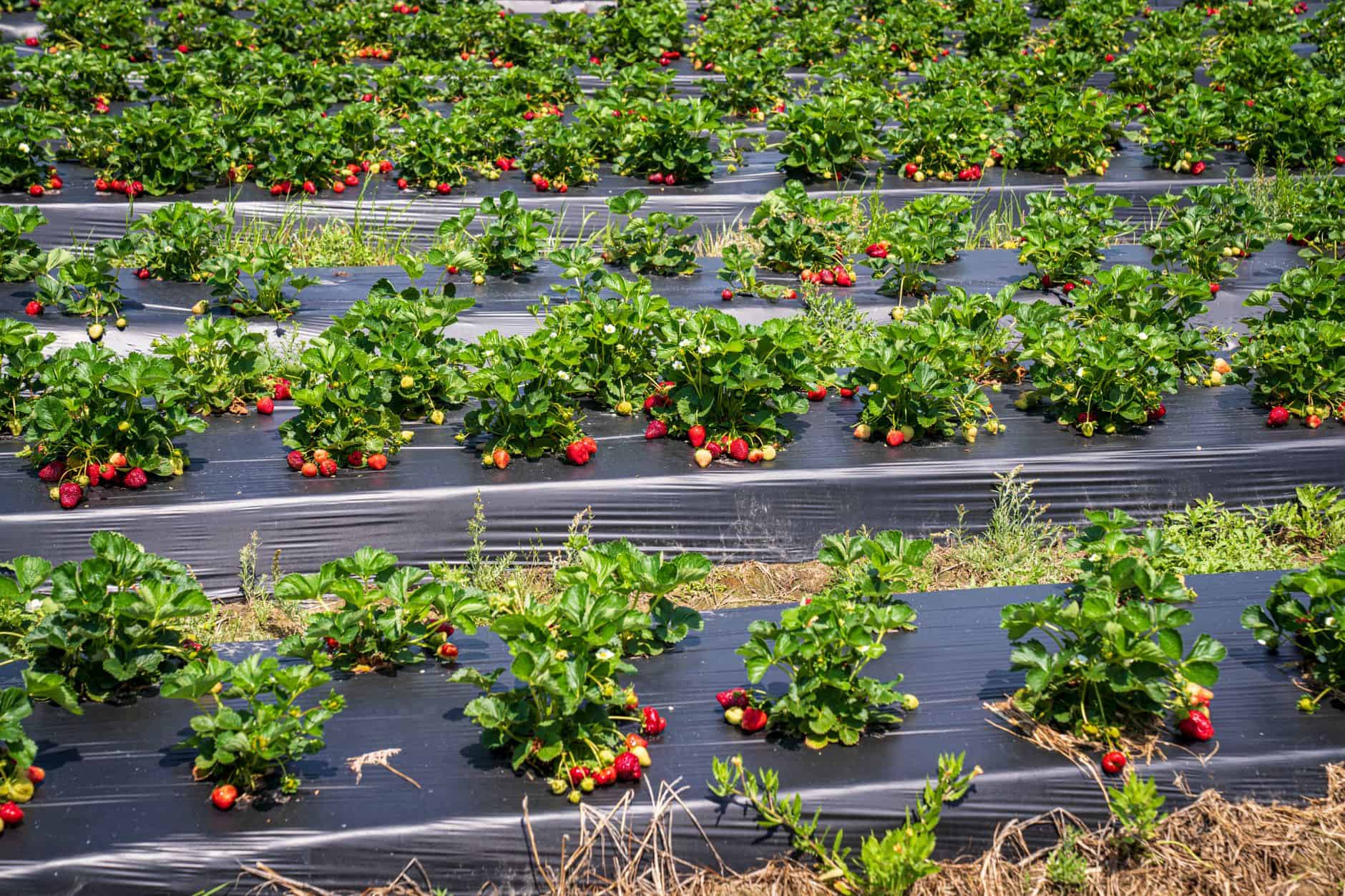
Comprehensive Guide to Growing Organic Strawberries: From Planting to Harvest
Choosing the Right Strawberry Varieties for Organic Growing
Selecting the appropriate strawberry plant varieties is essential when you grow strawberries organically, as variety choice affects yield timing, disease resistance, and adaptability to local conditions. The two main categories for organic strawberry production are June-bearing and everbearing varieties.
- June-bearing strawberries produce one concentrated harvest annually, typically lasting 2 to 3 weeks between late May and early July, depending on climate zone. This single fruiting period facilitates planning but requires intensive labor during harvesting and management.
- Everbearing strawberries produce two to three harvests over approximately 120 to 150 days, from late spring to early fall, providing a more evenly distributed yield. This schedule allows for continual harvest but calls for more ongoing crop care and pest management.
Popular certified organic cultivars, such as Albion En Seascape, meet organic certification criteria and provide specific benefits. ‘Albion’ is an everbearing variety adapted to warmer growing regions with a harvest window extending over four months. It demonstrates moderate resistance to powdery mildew and verticillium wilt. ‘Seascape’ is a June-bearing cultivar known for high yields and tolerance to common fungal pathogens affecting organic strawberry patches.
Selection factors should include local USDA Hardiness Zones or equivalent climate data, frost risk schedules, and disease pressure levels. Resistant cultivars reduce the need for organic-approved biocontrols and support compliance with organic regulation such as EU Regulation 2018/848 or USDA NOP standards. Varieties should be sourced from suppliers certified for organic propagation or bare-root plants compliant with organic standards.
In summary, choose June-bearing for bulk seasonal harvests or everbearing for staggered berry supply, prioritizing cultivars with proven organic disease resistance and climate suitability to optimize your organic strawberry patch.
Preparing and Planting Your Organic Strawberry Patch
The preparation of soil and the proper planting protocol directly affect the establishment and vigor of strawberry plants grown organically. Preparation should happen 4 to 6 weeks before planting to allow soil amendments to stabilize.
Key steps include:
- Soil Preparation: Incorporate 3-5% (by volume) of well-matured compost or aged organic manure uniformly into the top 20-30 cm of soil using a rotary tiller or manual cultivation. Soil pH should be between 5.5 and 6.5 to optimize nutrient availability, verified using a calibrated soil test kit.
- Soil Structure: Ensure the soil is loamy and well-drained. Conduct percolation tests; drainage rates should ideally be 2-3 mm per hour to avoid waterlogging, which promotes root diseases in organic systems where synthetic fungicides are prohibited.
- Planting Spacing: For June-bearing varieties, space plants 30-45 cm apart in rows spaced 90-120 cm to facilitate air circulation and reduce humidity-related diseases. Everbearing plants may require closer spacing (25-35 cm) to maximize continuous yield per square meter.
- Planting Timing: Plant strawberries when soil temperatures consistently reach 10°C or higher, typically early spring in temperate zones. Alternatively, in regions with mild winters, late autumn planting allows early root establishment and overwintering.
- Raised Beds or Mounded Rows: Build beds 15-20 cm high and 90-100 cm wide to improve drainage and root aeration. Bed construction should precede planting by 1-2 weeks to allow settling.
- Planting Method: Use certified organic strawberry plants or bare-root stock. Set the crown at soil level to avoid burying, which increases rot risk. Ensure roots are spread evenly in the planting hole before backfilling.
Following these detailed planting steps promotes root development, reduces disease incidence, and aligns with organic certification requirements.
Organic Fertilization and Nutrient Management for Strawberries
Balanced nutrient supply tailored to organic strawberry plants supports both yield and berry quality. Basal nutrient applications and side-dressing must match crop growth stages and avoid synthetic inputs.
- Macro-Nutrient Ratios: Pre-plant soil should target an N-P-K ratio around 10-10-10 (in kg/ha basis), equivalent to approximately 100-120 kg/ha of each nutrient. This balance supports root and foliar growth.
- Fertilizer Types: Use well-composted cow or poultry manure aged at least 6 months, fish emulsion at 1-2 L per 100 m², or kelp extract foliar sprays applied at 2-3 ml/L. These amendments provide a slow-release nutrient profile and micronutrients essential for flowering and fruit set.
- Application Timing: Incorporate organic fertilizers 2-4 weeks before transplanting. After planting, side-dress with nitrogen-rich organic fertilizers 3-4 weeks later to enhance vegetative growth. Repeat side-dressing at 3-week intervals during early fruit development.
- Soil Microbiome: Promote beneficial microbial populations by avoiding broad-spectrum biocides and inoculating soil with organisms such as arbuscular mycorrhizal fungi or nitrogen-fixing bacteria if available under organic protocols.
- Certification Compliance: All fertilization materials must be listed within the approved inputs catalog of the relevant organic standard (e.g., OMRI or EU lists) to maintain organic certification integrity.
Precise fertilization aligned with growth staging optimizes plant health and fruit yield while preserving soil biology in organic strawberry cultivation.
Implementing Mulch and Pest Management in Organic Strawberry Cultivation
Proper mulch selection combined with integrated pest management (IPM) reduces pest pressure and supports sustainable organic strawberry production.
- Mulch Types and Application: Use straw mulches consisting of wheat or oat straw free from weed seeds, applied at a depth of 5-7 cm around plants after soil warming reaches 10°C. Alternatives include pine needles or shredded wood chips with particle size under 5 cm to avoid excessive nitrogen immobilization. Mulch reduces water evaporation by up to 40% and suppresses weed emergence by up to 70%, according to agronomic trial data.
- IPM Techniques: Monitor populations of key pests such as Tetranychus urticae (two-spotted spider mite) and Aphis gossypii (cotton aphid). Use physical barriers like floating row covers during flowering, except when pollination by bees is required. Release biocontrol agents, including Hippodamia convergens (lady beetle) at densities of 5-10 per square meter when pest thresholds exceed 5-10 mites per leaf.
- Regular Scouting: Conduct plant inspections every 7-14 days, using yellow sticky traps and leaf sampling to inform pest action thresholds and avoid unnecessary interventions.
- Crop Hygiene and Biodiversity: Remove plant residues after harvest and foster habitat for predatory insects, such as maintaining flowering cover crops, to sustain natural pest control populations.
Integrating mulch with IPM protocols minimizes pesticide use and aligns with organic production standards.
Seasonal Care and Maintenance of Organic Strawberry Plants
Seasonally tailored care preserves plant vigor and disease resistance in organic strawberry patches.
- Irrigation Management: Drip irrigation systems delivering 15-20 mm of water weekly during flowering and fruit set stages maintain soil moisture levels between 60-70% of field capacity. Avoid overhead watering to reduce foliar disease incidence.
- Pruning of Runners: Remove runners within 4-6 weeks of planting to encourage crown development and optimize energy allocation. Subsequent removal of excess runners before flowering reduces crowding and improves airflow.
- Crop Rotation Schedule: Rotate strawberries with non-solanaceous crops every 3-4 years to interrupt pathogen cycles, particularly focusing on avoiding continuous planting in fields with a history of Verticillium dahliae or Phytophthora spp.
- Winter Protection: In regions with average January temperatures below 0°C, apply 10-15 cm of straw mulch after leaf senescence to insulate crowns. Alternatively, install low tunnels or frost blankets to buffer against sudden temperature drops during overwintering.
These activities preserve soil health and fulfill the critical requirements of organic strawberry patch management.
Harvesting Techniques and Post-Harvest Handling for Organic Strawberries
Harvesting at optimal maturity and correct handling preserve organic strawberry quality and shelf life.
- Timing: Harvest berries 4-6 weeks after flowering, when 90-100% of the fruit surface is bright red and berries yield slightly under gentle pressure, indicating peak soluble solids content (commonly 7-10 °Brix).
- Handling: Detach fruit by clipping the stem approximately 1 cm above the calyx instead of pulling to avoid puncture damage. Use shallow-lidded, breathable containers to prevent compression and bruising during transport.
- Cooling Protocols: Cool harvested berries within two hours to 0-2°C and maintain relative humidity at 90-95% during storage to reduce water loss and fungal growth. Avoid condensation by ensuring quick drying of any surface moisture before packing.
- Organic Certification Compliance: Post-harvest facilities must be free of prohibited substances, maintain traceability records, and use cleaning agents approved by organic standards to protect integrity.
Following these protocols assures high-quality organic strawberries from field to consumer.
Integrating Organic Strawberry Growing with Solar-Powered Garden Communities
Incorporating organic strawberry patches within solar-powered garden communities creates a symbiotic model combining clean energy production with localized, organic food growing.
- Investment in Solar Infrastructure: Funding a 10 MW solar plant supports renewable energy generation and finances community infrastructure such as drip irrigation and produce distribution logistics that benefit organic strawberry growers within the garden.
- Membership Model: Access to the garden community requires a one-time €200 membership fee, with an optional €20 monthly subscription for a garden box featuring regular deliveries of fresh organic produce, including strawberries when in season.
- Garden Capacity and Regulation: The garden is planned to accommodate up to 3,000 individual parcels. Each parcel can support an organic strawberry patch managed under shared community standards ensuring compliance with sustainability and organic guidelines.
- Operational Structure: Solar plant operations and garden community management are legally distinct entities—Estonian OÜ for solar assets and a separate Serbian DOO for garden activities—ensuring clear governance, regulatory compliance, and transparent investor protection.
This model leverages renewable energy project returns to sustain community food production and reinforces circular resource use.
Comparing Everbearing and June-Bearing Strawberries for Organic Home Gardens
Home gardeners choosing to grow strawberries organically should weigh the operational differences between everbearing and June-bearing types to align planting and maintenance with their goals.
- Yield Timing and Amount: Everbearing varieties yield 2 to 3 harvests over 120-150 days, around 250-350 g per plant cumulatively. June-bearing types typically produce a single large yield of 300-400 g per plant over 2-3 weeks, ideal for bulk processing or market sales.
- Labor Intensity: Everbearing strawberries require ongoing runner removal every 2-3 weeks and more frequent pest scouting due to extended fruiting. June-bearing varieties concentrate field labor during the flowering and harvest peak, with less frequent maintenance outside those periods.
- Economic Suitability: June-bearing strawberries suit gardeners targeting local farmer’s markets or seasonal sales, benefiting from synchronized harvests. Everbearing plants are more appropriate for steady personal consumption or small-scale CSA models supplying extended fresh fruit.
- Scaling Considerations: For small organic home gardens (<50 plants), everbearing types simplify maintenance with staggered harvests. Larger garden plots or commercial organic operations (>500 plants) often benefit from June-bearing plant mechanization and harvest scheduling.
Understanding these differences can help home growers optimize returns and labor when planting strawberry patches organically.
Veelgestelde vragen
- What soil type and preparation are best for organic strawberry growing?
- Loamy, well-drained soil with a pH of 5.5 to 6.5 amended with 3-5% mature compost incorporated into the top 20-30 cm optimizes strawberry plant establishment. Raised beds or mounded rows of 15-20 cm height improve aeration and drainage.
- How should I fertilize organic strawberries without using synthetic chemicals?
- Apply organic fertilizers such as well-composted manure, fish emulsion at 1-2 L per 100 m², or seaweed extracts at 2-3 ml/L. Initial fertilization occurs 2-4 weeks pre-planting, with side-dressing repeated every 3 weeks during fruit formation.
- What organic methods are effective for pest management on strawberries?
- Use straw mulch at 5-7 cm depth, introduce natural predators like lady beetles, deploy row covers when pollination is not occurring, and monitor pests every 7-14 days. Intervene only when pest numbers exceed thresholds to protect beneficial insects.
- When is the best time to harvest organic strawberries and how should they be stored?
- Harvest when berries are fully red, slightly soft to the touch, 4-6 weeks after flowering. Cool immediately to 0-2°C with 90-95% humidity within two hours to maximize shelf life without encouraging mold growth.
Successfully growing organic strawberries involves selecting cultivars adapted to your climate and organic practices, preparing soil with proper amendments, and following detailed planting, fertilization, mulching, and pest management steps. Integrating your strawberry patch within a solar-powered garden community aligns food production with renewable energy investment and sustainable resource use. Maintain vigilance through seasonal care and timely harvest to ensure fruit quality. Staying updated with evolving organic standards and agrivoltaic innovations will help optimize your growing strategy from 2026 onward.