






Ensuring Stable Solar Energy Security: How Solar Plus Garden Advances Reliable Renewable Power
Understanding Solar Energy Security in the Context of Modern Energy Systems
Solar energy security refers to the consistent, uninterrupted availability of electricity generated by solar power systems, integrated within national energy frameworks to support overall energy sector reliability. It intersects with national security goals by mitigating dependency on imported and volatile fuels such as natural gas and diesel, which are exposed to geopolitical risks and market fluctuations.
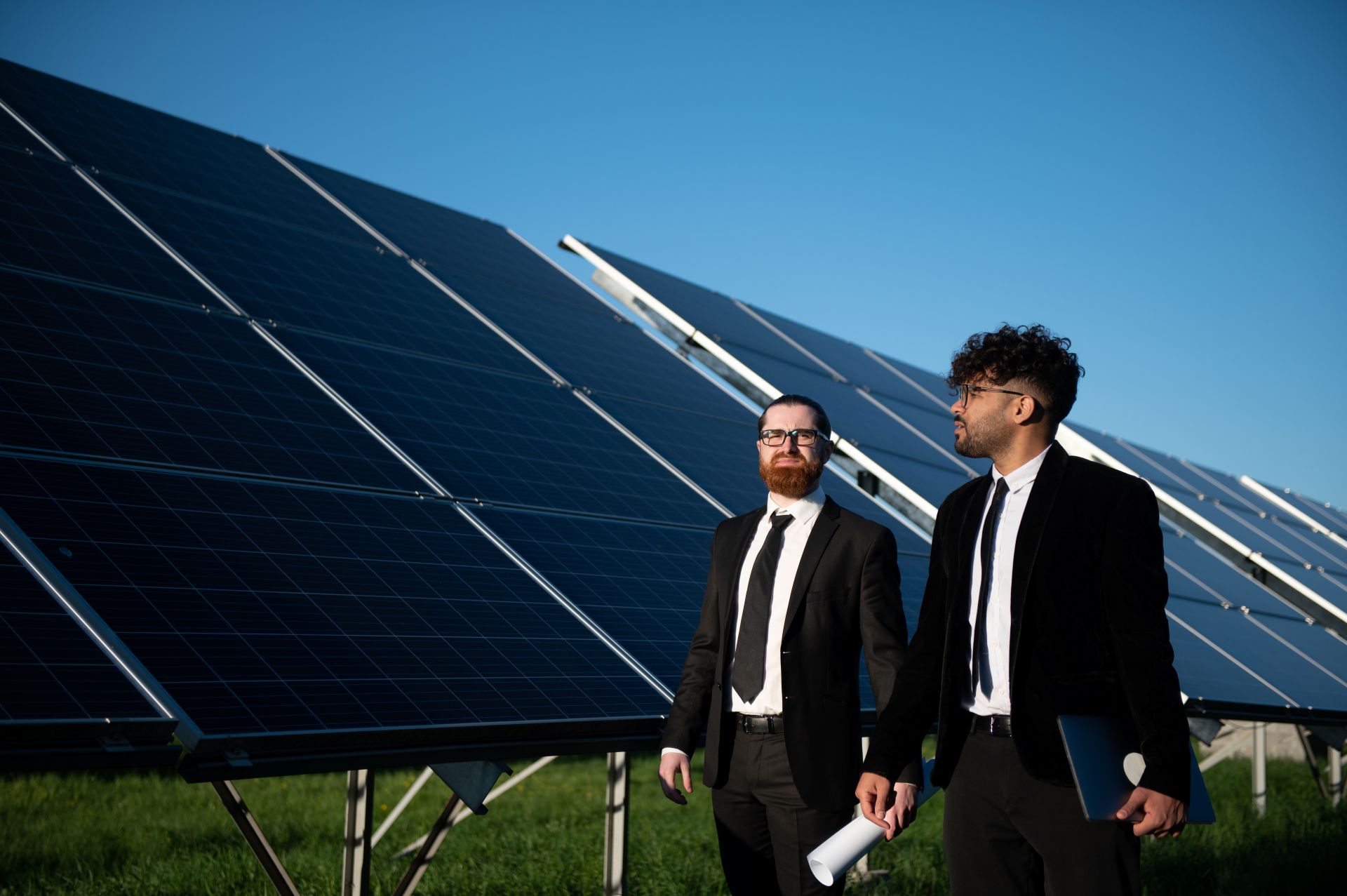
Modern energy security requires meeting demand without blackouts or supply interruptions. Incorporating large-scale solar projects, such as the 10 MW solar power facilities deployed by Solar Plus Garden, contributes directly to this goal by providing clean, decentralized renewable energy. Solar panels in these systems convert sunlight into electricity during daylight hours, offsetting fuel consumption in conventional generators and reducing the energy sector’s exposure to fossil fuel supply chain constraints.
- Integrating solar with conventional fuels involves strategic balancing to overcome intermittency, ensuring stable electricity supply 24/7.
- Distributed solar installations decrease vulnerability to centralized infrastructure failures by diversifying energy generation sources geographically.
- 10 MW solar plants typically reduce diesel and natural gas fuel use by a substantial margin during peak sunlight hours, depending on load profiles and regional insolation data.
These operational frameworks support national energy diversification targets, which enhance security by enabling a more resilient, low-carbon energy supply that is less reliant on imported fuels.
Solar Cybersecurity: Protecting Solar Energy Infrastructure from Modern Threats
Solar power systems rely on critical digital components, including inverters that convert DC to AC electricity, grid controllers managing energy flows, and communication networks linking site hardware with control centers. This connectivity increases vulnerability to cyberattacks that can disrupt energy production and compromise infrastructure integrity.
The U.S. Department of Energy (DOE) outlines cybersecurity best practices for solar energy facilities, recommending measures such as network segmentation, security endpoint management, multi-factor authentication, and continuous anomaly detection. Compliance with these practices is essential for protecting solar installations against threats such as malware, ransomware, unauthorized access, and data manipulation.
Solar Plus Garden incorporates these DOE guidelines through a multilayered approach:
- Network segmentation: Operational technology (OT) networks controlling the solar plant are isolated from corporate IT systems using firewalls and virtual LANs, limiting attack surface and preventing lateral movement by potential intruders.
- Automated threat detection: AI-driven cybersecurity platforms monitor network traffic and examine inverter and controller telemetry in real time, identifying deviations from normal behavior patterns within seconds.
- Integrated security cameras: Physical security measures supported by HD cameras ensure site access is monitored 24/7, deterring physical tampering and complementing digital protections.
Continuous, automated monitoring reduces reliance on manual inspection and enables rapid incident response, critical to maintaining uninterrupted electricity supply and protecting asset integrity at Solar Plus Garden’s solar facility.
Integrating Solar Power with Existing Energy Sources to Enhance System Reliability
Integrating solar power with natural gas and diesel generators requires sophisticated energy management to optimize fuel use and maintain grid stability. Solar Plus Garden’s 10 MW solar plants employ automated control systems programmed to balance electricity supply from renewable and fossil fuel sources according to real-time conditions.
These energy management systems use Programmable Logic Controllers (PLCs) and Supervisory Control and Data Acquisition (SCADA) technology to monitor solar panel output, electricity demand, and fuel generator status. When solar irradiance falls—due to cloud cover or nighttime—backup diesel or natural gas generators automatically activate, ensuring continuous supply. This hybrid approach reduces fuel consumption, emissions, and operational costs by maximizing solar energy utilization during daylight hours.
- Automated Controls: PLCs execute control logic to seamlessly switch between solar and fuel-based generation, adjusting generation levels in seconds without human intervention.
- Fuel Consumption Reduction: Operating diesel and natural gas units only during periods of low solar generation minimizes reliance on fossil fuels; typical operational profiles indicate up to 50-70% reduction in fuel use during sunny periods depending on demand cycles and location.
- System Resilience: Hybrid configurations allow rapid response to grid disturbances and variability in solar output, maintaining stable electricity delivery compliant with grid codes.
This integration supports national decarbonization efforts by leveraging renewable energy while maintaining system reliability through proven backup generation technologies.
Community-Based Solar Membership Models as a Strategy for Distributed Energy Security
Solar Plus Garden’s unique combination of a 10 MW centrale solare and a community-driven Abbonamento al giardino model establishes an inclusive approach to renewable energy investment and local resilience. The Garden community is accessible independently from direct solar investment, requiring payment of membership fees that fund both solar infrastructure and community programs.
The legal structure distinctly separates solar ownership and garden operations to maintain clarity and regulatory compliance:
- Estonian OÜ: Holds and operates the solar power plant, responsible for energy generation, regulatory compliance, and operational management.
- Serbian DOO: Manages the Garden community membership, produce distribution, and community engagement activities under a contractual license to use the Garden brand.
Membership payments consist of a €200 one-time fee for access and an optional €20 monthly fee for a scatola da giardino subscription — delivering fresh, locally grown produce. Payment flows are managed through a regulated escrow mechanism ensuring funds are allocated exclusively to solar investment and community expenditures. This transparent financial model prevents unauthorized fund use and aligns incentives across stakeholders.
With capacity for up to 3,000 garden plots, this distributed community model links solar investment returns with tangible local benefits, fostering distributed energy security by expanding stakeholder participation and supporting regional food resilience.
Monitoring and Maintaining Solar Energy Systems to Sustain Security and Performance
Long-term solar energy security requires rigorous maintenance schedules and advanced monitoring technologies. Standard operating procedures involve panel cleaning twice annually to remove dust and biological deposits that reduce solar panel efficiency by up to 5-10%, as established in industry performance studies. Inverter systems undergo comprehensive inspections and firmware updates annually to ensure operational integrity and compliance with grid interconnection standards.
Solar Plus Garden leverages Internet of Things (IoT) sensors integrated with SCADA systems to achieve continuous performance monitoring. These sensors track parameters such as solar irradiance, module temperature, inverter output, and string-level current. Automated alerts trigger if deviations exceed predefined thresholds, indicative of shading, soiling, inverter degradation, or wiring faults.
- Automated Monitoring: 24/7 telemetry collection enables remote diagnostics and predictive maintenance, reducing downtime and operational expenditures.
- Security Cameras: Strategically placed IP cameras provide real-time video feeds to security teams, deterring theft and vandalism, especially in off-grid or rural locations.
- Response Protocols: Detailed Standard Operating Procedures (SOPs) prescribe escalation workflows and corrective measures, with guaranteed response times typically within 24 hours for critical faults.
These integrated maintenance and surveillance measures are essential for sustaining consistent solar energy delivery, safeguarding asset value, and supporting broader energy security objectives.
Regulatory and Market Factors Affecting Solar Energy Security Investments in 2026-2027
Solar Plus Garden operates under a legal framework with its Estonian OÜ entity established on 20 February 2026, facilitating compliance with European Union renewable energy regulations and GDPR data protection rules. The project’s Serbian DOO manages the Garden community within Serbian jurisdiction, aligned with local commercial and agricultural regulations.
Current energy policies in Estonia and Serbia prioritize renewable energy integration with explicit targets for solar capacity expansion and emission reductions. These policies encourage investment in community-backed renewable energy models that offer transparency and robust governance. The project’s payment and escrow system conforms to financial regulations designed to protect investor funds and community dues.
- Conformità normativa: Cross-border legal structuring ensures adherence to multiple jurisdictions’ governance, minimizing risks related to non-compliance or contract enforcement.
- Market Readiness: Investor interest in regulated, transparent solar projects is growing, driven by sustainable finance mandates and ESG frameworks.
- Potential Risks: Include regulatory changes affecting feed-in tariffs, tax incentives, or grid interconnection standards, as well as geopolitical developments that could impact supply chains for solar components.
- Mitigation Measures: Employing clear contractual obligations, escrow accounts, and transparent governance reduces exposure to policy shifts and enables agile adjustment to market changes.
Staying abreast of regulatory trends and maintaining active engagement with policy makers will be necessary for ensuring ongoing investor confidence and operational viability through 2026-2027.
FAQ
How does solar energy enhance a country’s overall energy security?
By integrating solar power into the national grid, countries reduce dependency on imported natural gas and diesel fuels susceptible to supply interruptions and price volatility. The distributed nature of solar panels diminishes centralized infrastructure risks, enhancing grid resilience and diversifying the energy mix.
What cybersecurity threats should solar power installations prepare for?
Threats include malware attacks on inverter firmware, unauthorized access to grid controllers, and manipulation of communication protocols that could disrupt electricity production or damage equipment. Robust defenses incorporating AI-powered monitoring, network segmentation, and multi-factor authentication are critical to mitigating these risks.
Can I join Solar Plus Garden’s community without directly investing in solar power?
Yes. The Garden membership model allows access to community benefits, including fresh local produce and social engagement, through payment of a membership fee. This fee is transparently invested in the solar project, decoupling direct solar capital commitments from membership participation.
What role do maintenance and monitoring play in ensuring solar energy security?
Routine maintenance such as biannual panel cleaning and annual inverter inspections maintain optimal system efficiency. Continuous monitoring using IoT sensors and security cameras facilitates early detection of faults or security breaches, reducing downtime and maintaining reliable electricity generation.
Conclusione
For property owners, developers, and investors prioritizing solar energy security, projects like Solar Plus Garden offer a comprehensive approach. Their 10 MW solar power plants are integrated with natural gas and diesel backup systems controlled by automated energy management, ensuring stable electricity delivery. Stringent cybersecurity practices conforming to DOE guidelines protect operational technology, while a robust appartenenza alla comunità and escrow-based payment structure create transparent, sustainable funding.
Discipline in maintenance and 24/7 monitoring preserves system performance, a prerequisite for reliable renewable energy output. Navigating evolving regulatory frameworks in Estonia and Serbia requires continuous compliance and stakeholder engagement. By uniting technical reliability, legal clarity, and community inclusion, Solar Plus Garden advances solar energy security effectively, delivering resilient and low-carbon energy infrastructure for 2026-2027 and beyond.
Letture correlate
- Passive Income for Beginners: How to Build Reliable Income Streams with Solar Plus Garden
- Ottimizzazione dei sistemi di gestione delle microreti solari per un'integrazione affidabile delle energie rinnovabili.
- Ottimizzazione dell'integrazione dell'energia solare con sistemi di accumulo a batteria (BESS) e gruppi elettrogeni (GENSET) per sistemi di alimentazione ibridi affidabili.