





Optimizing Solar Vegetation Management for Efficient and Sustainable Energy Production
Key Challenges of Managing Vegetation at Solar Farm Sites
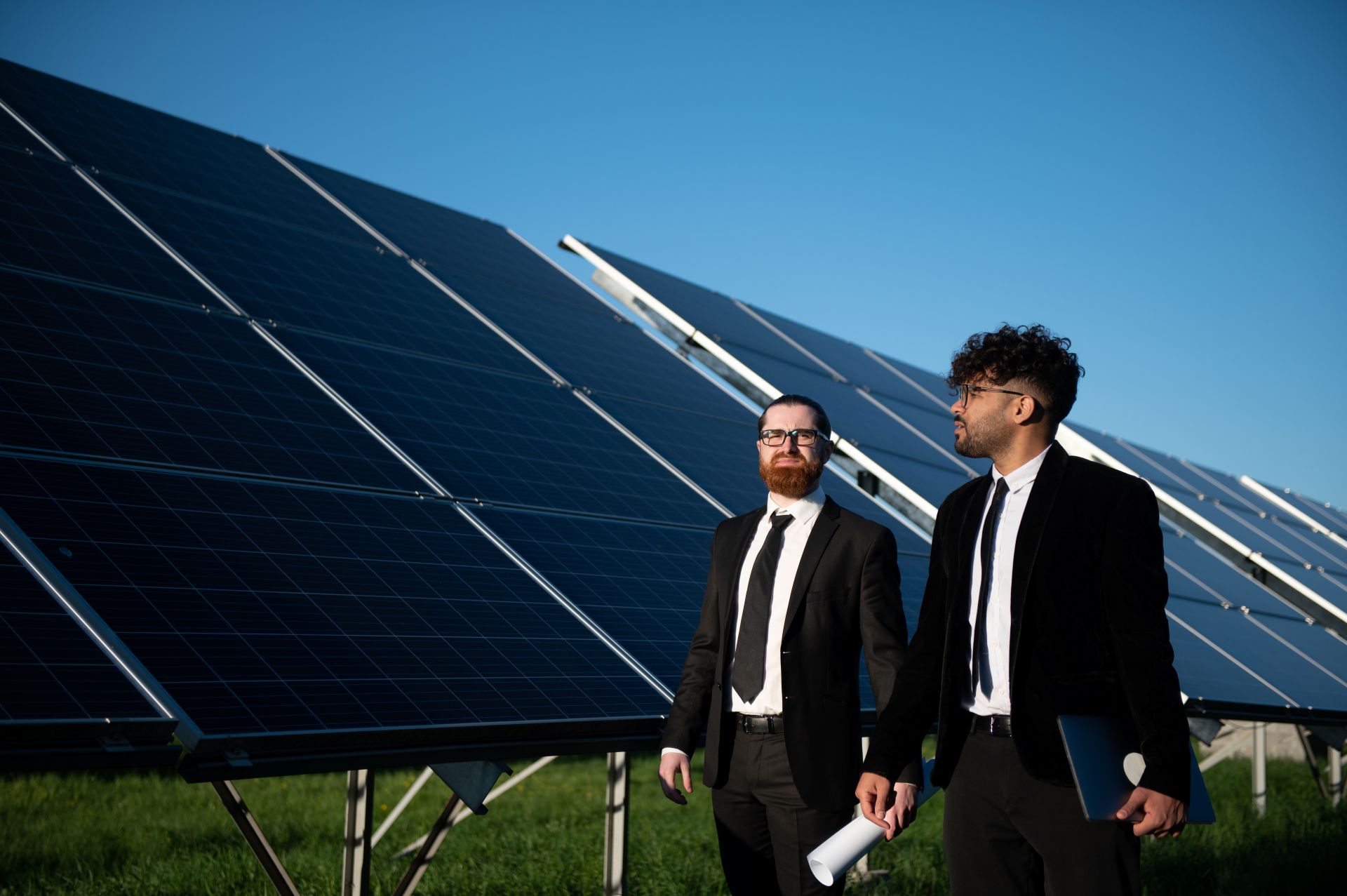
Vegetation management at solar farms directly affects solar energy production efficiency and asset integrity. Common types of vegetation encountered around solar installations include perennial and annual grasses, low-lying shrubs, and invasive species such as Ambrosia artemisiifolia (common ragweed) or Solidago canadensis (Canada goldenrod), whose growth characteristics influence maintenance requirements.
Shading from uncontrolled vegetation growth reduces irradiance on solar panels by obstructing direct sunlight. Empirical field studies have quantified that even partial shading by vegetation taller than 0.5 meters within one meter of the panel edge can reduce energy output by 10-15%, depending on panel tilt and orientation. Shading heterogeneity creates temperature differentials on panel surfaces leading to hotspots and accelerated degradation of photovoltaic cells.
Vegetation also presents fire hazards especially in Mediterranean, continental, or steppe climates where dry biomass accumulates. Regulatory standards such as the NFPA 70E and local fire codes often require vegetation clearance zones typically extending 1 meter or more beyond panel arrays to reduce ignition risks. Dense vegetation growth complicates access for routine inspection and can impact the integrity of wiring and inverters due to physical overgrowth, posing safety and operational hazards.
Additional site-specific challenges include erosion control around mounting structures. Vegetation removal or improper clearing can destabilize soil, increasing erosion risks particularly on slopes exceeding 5%, which compromises panel stability. Conversely, certain vegetation supports local fauna, necessitating wildlife habitat assessments to balance ecological sustainability with operational safety.
Efficace centrale solaire vegetation management ensures reduction in shading, fire risk mitigation, infrastructure accessibility, and compliance with environmental protection—all critical components of asset risk management frameworks.
Developing a Solar Site Specific Vegetation Management Plan
A solar farm vegetation management plan must be customized through a multi-step, data-driven process:
- Site Survey and Species Identification: Conduct botanical surveys using GIS mapping and in-field verification to catalog vegetation types, distinguishing between native, invasive, and protected species per IUCN red list criteria. Include assessments of root depth and lateral growth tendencies to anticipate interference risks.
- Growth Pattern Analysis: Utilize historical climate data and regional phenological calendars to model seasonal growth rates and peak biomass periods. Growth simulations guide scheduling of control efforts, with particular attention to rainy seasons promoting rapid vegetation growth.
- Clearance Distance Standards: Define minimum clearance distances based on fire safety and shading models. Common practice, aligned with standards like IEC 60364-7-712 (electrical installations in renewable energy systems), sets a 1-meter vegetation-free zone laterally and 0.5 meters vertically below panels.
- Maintenance Frequency Scheduling: Set frequencies aligned with targeted species growth rates, typically every 8 to 12 weeks in temperate zones and more frequently (every 4-6 weeks) in high-growth subtropical regions. Schedule resilient, weather-contingent maintenance windows with clear escalation triggers for unexpected vegetation surges.
- Conformité réglementaire : Integrate national and EU directives such as the EU Habitat Directive and local land management laws mandating conservation of protected flora and fauna. Incorporate environmental impact assessments (EIA) to align with sustainable land use principles.
- Monitoring Protocols: Employ periodic on-site inspections corroborated by quarterly drone multispectral imaging and weekly IoT sensor data feeds. Use this data to update the vegetation management plan adaptively, ensuring compliance and timely interventions.
This structured vegetation management plan serves as a dynamic operational blueprint, aligning risk management and environmental stewardship with energy production goals around solar installations.
Vegetation Control Strategies Tailored for Solar Installations
Controlling vegetation on solar farms requires integrated management strategies optimized by site-specific conditions:
- Mechanical Methods: Mowing and trimming every 8-12 weeks using low-ground-pressure equipment minimize soil compaction. For sloped terrain, brush cutters or string trimmers are employed with safety protocols to prevent damage to module frames and wiring. Vegetation debris removal prevents secondary shading and fire fuel accumulation.
- Chemical Control: Application of selective herbicides following EU Regulation 1107/2009 on plant protection products targets invasive species while minimizing impact on native flora. Herbicides are applied during pre-growth periods to maximize efficacy, with buffer zones of at least 2 meters from water bodies and solar panel surfaces.
- Biological Controls: Managed grazing using sheep is applied primarily in agrivoltaic projects with low-risk infrastructure layouts. Stocking densities of 12–15 sheep per hectare maintain vegetation within 0.3 to 0.5 meters clearance, reducing mowing frequency. Grazing schedules avoid lambing seasons and sensitive plant phenophases to minimize ecological disturbance.
- Integrated Vegetation Management (IVM): Combining mechanical, chemical, and biological controls creates a multi-tiered approach minimizing herbicide dependence and optimizing vegetation suppression. Annual review of strategy effectiveness incorporates biomass growth data and environmental impact indicators.
- Technology-Assisted Controls: Autonomous robotic mowers equipped with LiDAR and GPS maintain vegetation clearance efficiently, operating on preprogrammed routes with obstacle detection to avoid solar structures. These systems reduce labor costs by approximately 20-30% and enable consistent maintenance during variable weather conditions.
Selection of management strategies balances effectiveness, regulatory compliance, cost-efficiency, and ecological impact to maintain vegetation around solar installations within operational parameters.
Impact of Vegetation Management on Solar Energy Output and Asset Longevity
Data from solar farms implementing optimized vegetation management demonstrate measurable improvements in renewable energy performance and asset durability:
- Energy Yield Improvement: Studies indicate that maintaining a minimum 1-meter vegetation clearance around solar panels correlates with a 2-5% increase in annual energy production by preventing shading and reflective losses.
- Panel Performance Reliability: Proper vegetation control reduces soiling rates by minimizing dust traps and enables air circulation under panels, mitigating microclimate heat extremes. This stability reduces degradation rates documented as up to 1.5% per year lower compared to unmanaged sites.
- Degradation Reduction: Vegetation near panels retaining moisture can accelerate galvanic corrosion on aluminum frames and compromise electrical connections. Clear zones and timely trimming reduce relative humidity and moisture accumulation, diminishing corrosion pathways.
- Lifecycle Cost Savings: Proactive management decreases emergency repairs due to wildlife or vegetation damage, cutting downtime by an estimated 10-15% annually. Consistent maintenance also supports warranty compliance and financing conditions tied to asset condition.
Effective vegetation management plans thus underpin stable solar energy production and contribute significantly to the financial sustainability and operational reliability of solar farm assets.
Integrating Community and Agrivoltaic Approaches in Vegetation Management
The integration of agrivoltaic practices and community involvement offers innovative pathways to sustainable vegetation management on solar farms:
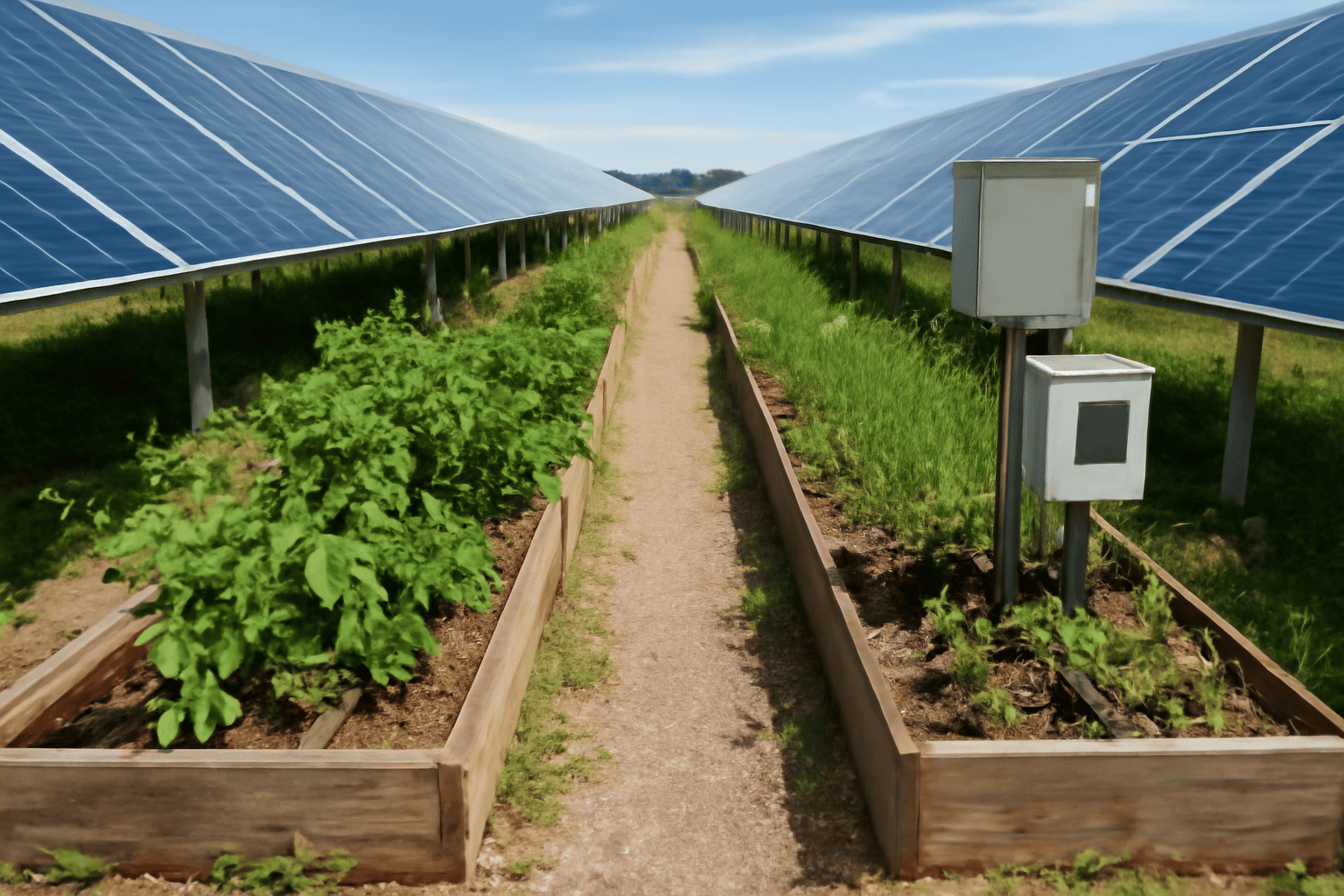
- Intégration agrivoltaïque : Cultivating low-growing crops or pollinator-friendly flowering plants beneath and around panels creates dual land use, which can moderate ground temperature and biodiversity impacts. Vegetation selections focus on species with less than 0.5 meters height at maturity and minimal shading effects.
- Modèles d'adhésion communautaire : Initiatives such as Solar Plus Garden use a transparent, regulated membership framework, requiring a €200 one-time fee and optional €20 monthly garden box subscription. Membership proceeds co-finance solar operations and community garden activities, enabling access separate from direct solar investment.
- Managed Grazing: Within these community-supported agrivoltaic models, sheep grazing is scheduled to align with vegetation growth cycles and community activity calendars, reducing reliance on mechanical mowing.
- Environmental Benefits: Implementing wildlife-friendly plantings support local pollinators and soil health, enhancing ecosystem services in compliance with local biodiversity action plans.
- Legal and Operational Frameworks: Solar Plus Garden maintains a clear legal separation between the Estonian OÜ holding solar assets and a distinct legal entity managing garden activities. This ensures defined operational responsibilities and risk mitigation strategies for both energy production and agricultural functions.
These integrated approaches create synergistic value from vegetation management, improving ecological outcomes and community engagement while supporting renewable energy infrastructure.
Regulatory and Risk Management Considerations for Vegetation Around Solar Farms
Vegetation control around solar sites must align with multiple regulatory domains and risk management mandates:
- Fire Prevention Regulations: Fire codes applicable in the EU and Serbia, supplemented by NFPA 70E standards, require a regularly maintained vegetation-free clearance of at least 1 meter around solar panels. Operators must implement documented inspection and maintenance schedules, including combustible material removal protocols.
- Environmental Compliance: Protected areas under the EU Natura 2000 network and national conservation laws restrict vegetation removal near endangered species habitats. Compliance requires environmental impact assessments and coordination with local environmental authorities prior to vegetation control actions.
- Insurance Implications: Insurance policies for solar farms often condition coverage on adherence to defined vegetation management plans demonstrating risk mitigation against fire and physical damage. Documentation includes maintenance logs, incident reporting, and corrective action plans.
- Erosion Control and Soil Stability: Vegetation management must avoid bare soil exposure exceeding 10% of the site area to prevent erosion and sediment runoff, in accordance with EU Soil Thematic Strategy guidelines. Maintaining ground cover with low-growing plants or mulch is standard practice.
- Transparency and Reporting: Solar investment platforms applying governance standards require comprehensive vegetation management reporting, including audit trails of inspections, treatment applications, and community involvement metrics, to assure investors of operational risk management.
Embedding these regulatory and risk management considerations into vegetation maintenance maintains solar farm resilience, regulatory conformity, and asset value protection.
Technology and Monitoring Innovations Enhancing Vegetation Management Efficiency
Advancements in technology have introduced precision tools to advance solar farm vegetation control:
- Remote Sensing Applications: Quarterly drone flights employing multispectral sensors (NDVI indices) quantify vegetation vigor and biomass, detecting early overgrowth in areas prone to shading or fire hazard.
- IoT Microclimate Sensors: Networks of temperature, humidity, and soil moisture sensors provide real-time microclimate data to predict vegetation growth spurts, enabling just-in-time maintenance interventions.
- Automated Mowing Robots: Robotic mowers with GPS-guided navigation and LiDAR obstacle sensing maintain vegetation clearance within predefined zones. Field trials have shown time savings of up to 30% compared to manual mowing and enhanced safety in rough or hazardous terrains.
- AI-Driven Scheduling Software: By integrating sensor and remote sensing data, AI platforms dynamically optimize maintenance schedules based on growth prediction models and weather forecasts, improving resource allocation.
- Solar Plus Garden Platform: This platform consolidates remote monitoring data, community engagement workflows, and management decision processes into a single interface, facilitating transparent reporting and adaptive management planning across stakeholders.
These technology-enabled innovations strengthen precision in controlling vegetation around solar installations, improving both cost-efficiency and environmental responsiveness.
FAQ
- How often should vegetation be trimmed to prevent shading on solar panels?
- The trimming frequency typically ranges from quarterly to biannual schedules, adjusted by local climate and species-specific growth rates. Maintaining at least 1 meter clearance from solar panel edges is standard to prevent shading that can reduce energy production by up to 15%.
- Can grazing animals be used as part of a solar vegetation management strategy?
- Yes. Grazing animals, primarily sheep, are integrated into agrivoltaic solar farm vegetation management to sustainably reduce biomass. Stocking densities and grazing periods are carefully managed to maintain clearances and support community agrivoltaic approaches.
- What regulations govern vegetation clearance around solar farms to mitigate fire risk?
- Fire safety regulations such as NFPA 70E and EU member state directives commonly require a minimum 1-meter vegetation-free clearance zone around solar arrays. These standards are backed by documented maintenance schedules and fire risk audits.
- How does proper vegetation management affect the long-term performance of solar panels?
- Maintaining clear vegetation around panels mitigates shading and overheating hotspots, contributing to a 2-5% annual improvement in energy output and reducing physical degradation mechanisms, thereby extending panel operational lifespan.
Conclusion
Effective solar vegetation management plans that integrate mechanical, chemical, biological, and technological strategies are essential to maximize energy production and asset longevity on solar farms. Site-specific management informed by detailed vegetation surveys, regulatory compliance, and adaptive monitoring supports operational risk management. Incorporating community participation through models like Solar Plus Garden enhances sustainability by combining renewable energy with agrivoltaic benefits. Adoption of remote sensing and AI-driven maintenance scheduling further optimizes vegetation control, balancing economic efficiency and environmental stewardship. Decision-makers must treat vegetation management as a strategic priority, updating plans dynamically to accommodate evolving regulatory and ecological conditions around solar installations.
Lectures complémentaires
- Optimisation des systèmes de gestion des micro-réseaux solaires pour une intégration fiable des énergies renouvelables
- Guide complet de la gestion de l'énergie solaire : des composants des modules à l'utilisation efficace de l'énergie
- Méthodes efficaces de lutte biologique contre les ravageurs pour une gestion durable des jardins