










Optimizing Solar Inventory Management to Streamline Operations and Support Sustainable Projects
Unique Inventory Challenges Faced by Solar Companies
Solar companies confront inventory management challenges distinct from conventional industries due to the technical nature and handling requirements of solar energy components. Key inventory items include Photovoltaik (PV) modules—primarily crystalline silicon with efficiency ranges typically between 18-22% or emerging thin-film technologies—power inverters converting DC to AC with ratings based on project scale (e.g., 50 kW to multi-MW units), mounting and racking systems engineered for terrain-specific deployment, specialized electrical cables meeting IEC 62930 standards for solar DC circuits, and battery storage systems (lithium-ion or lead-acid) requiring rigorous safety protocols under UN 38.3 transport regulations.
Component storage protocols are governed by manufacturer datasheets and applicable standards such as IEC TS 62941 for PV module durability and IEC 61215 for design qualification. Specific requirements include:
- Photovoltaic modules: Must be stored indoors or under shelter at controlled humidity levels below 65% relative humidity and temperature ranges between 5°C and 35°C to prevent delamination or moisture ingress over storage periods exceeding three months.
- Inverters and electronics: Require electrostatic discharge (ESD) safe packaging and environments with particulate contamination controlled to ISO 14644-1 cleanroom class 8 or better. Storage timeframe should be minimized to avoid component degradation.
- Structural components: Aluminum and galvanized steel mounting systems must be stored in dry, well-ventilated areas with relative humidity below 60% to inhibit corrosion; exposure exceeding six months without protective coatings can degrade structural integrity.
- Batteries: Must be housed in ventilated, temperature-controlled facilities compliant with local hazardous materials regulations (e.g., ADR for transport), maintaining ambient temperatures between 15°C and 25°C to optimize shelf life and performance consistency.
Inventory demand fluctuates with the solar project lifecycle: procurement surges occur during site mobilization and module installation phases, typically spanning 3-6 months in large projects, whereas maintenance and warranty periods generate minimal replenishment needs. Seasonality impacts installation windows due to weather constraints; for example, regions with extended rainy seasons may delay site work, requiring adaptive inventory scheduling based on weather forecasts and historical climate data.
Regulatory frameworks influencing solar inventory management include the Waste Electrical and Electronic Equipment (WEEE) Directive mandating traceability and environmentally responsible disposal of PV modules and inverters, and IEC 62446-1 standard that requires system documentation and certificate of compliance for installed systems, indirectly enforcing rigorous inventory tracking for quality assurance. Non-compliance risks regulatory penalties and project certification delays.
Key Components and Workflow of Solar Inventory Management
Effective inventory management for solar companies integrates procurement, storage, and issuance workflows aligned with project timelines. This extends beyond traditional inventory control to include specialized tracking protocols and environmental monitoring to preserve component quality. The workflow encompasses:
- Procurement: Utilizes robust forecasting tools incorporating project Gantt charts and supplier lead times (typically 6-8 weeks for module orders, 4-6 weeks for inverters) to schedule purchase orders. Contracts favor suppliers compliant with ISO 14001 environmental management.
- Receiving: Implements quality control checks using inspection protocols aligned with IEC 61215 and IEC 61730 for PV modules, including visual inspection, electroluminescence imaging for micro-cracks, and verification of serial and batch numbers for traceability.
- Storage: Segregates inventory by component sensitivity, maintains digital logs of environmental conditions recorded every 30 minutes, and applies FIFO (First In, First Out) methods to reduce ageing of components like batteries and cables that degrade over periods of 12 to 24 months.
- Issuance for installation: Operates just-in-time delivery to construction sites based on phase-specific requirements—foundations, module mounting, wiring—minimizing onsite stock to reduce theft risk and exposure damage.
- Returns and disposal: Follows documented procedures for handling defective equipment, ensuring batch-level traceability and compliance with WEEE and local hazardous waste disposal regulations. Returned components are logged within 24 hours to update inventory systems.
Inventory management software often integrates with project management platforms such as Primavera or Microsoft Project. Typical solar inventory software modules enable batch and serial number tracking, environmental parameter logging, and interface with barcode or RFID scanning systems to provide accurate real-time inventory updates. These technologies support cross-referencing between inventory status and project milestones, ensuring material availability without inventory excess.
Strategies to Improve Inventory Visibility and Control for Solar Operations
Inventory visibility is enhanced through centralized dashboards that aggregate data across multiple storage sites and active project locations. These platforms display key performance indicators (KPIs) such as inventory turnover ratios, reorder point adherence, and stock aging reports with granularity down to individual batch levels.
Automation relies on algorithms that calculate reorder points based on average daily consumption rates combined with supplier lead time buffers. For example, reorder triggers for crystalline silicon panels are typically set at 20-30% above expected consumption to accommodate shipping variability over 4-6 weeks. In contrast, inverters may have reorder safety stocks closer to 10-15% due to fewer SKU variants and longer lead times.
Cloud-based inventory software facilitates vendor collaboration by enabling electronic data interchange (EDI) for forecast sharing and purchase order confirmation, streamlining supply chain responsiveness. This supports dynamic adjustments in procurement volume reflecting real-time project readiness reports and weather-dependent installation pace.
Operational accuracy is maintained through periodic cycle counts—conducted biweekly during installation peaks and monthly during maintenance phases—supplemented with full physical audits quarterly. These reconcile system records with physical inventory and identify discrepancies attributable to damage, theft, or recording errors.
Optimizing Procurement and Supply Chain for Large-Scale Solar Projects
Managing procurement for a 10 MW solar project involves synchronized delivery plans segmented by project phases: civil works (site clearing, foundations), mechanical installation (racking systems, modules), and electrical balance of system components (inverters, wiring, combiners). Procurement schedules incorporate a contingency buffer of 10-15% inventory over baseline estimates to mitigate impacts from defective shipments or delays, calibrated using historical supplier performance data.
Supplier vetting includes review of ISO 9001 quality certification, compliance with local and international renewable energy standards, and sustainability reporting aligned with GRI (Global Reporting Initiative) criteria. Preference is given to suppliers with established logistics capabilities reducing lead time variability.
The Solar Plus Garden model integrates Mitgliedschaft in der Gemeinschaft fees into procurement financing. These funds are channeled through a European Estonian OÜ entity, ensuring legal clarity and transparency in capital allocation. By linking membership fees directly to procurement cycles, the model supports steady capital flow that accommodates market price fluctuations and reduces procurement risk for solar asset acquisition.
Inventory Management Software Solutions Tailored for Solar Companies
Solar inventory software must support high-fidelity batch tracking that records product origin, manufacturing date, and serial numbers to meet warranty and regulatory documentation requirements. Multi-site functionality is essential for dispersed solar farms and offsite warehouses supporting project staging.
Key software features include:
- Expiry tracking: Critical for batteries, which may retain optimal functionality for 12–18 months in storage, and specialty cable runs that degrade when exposed to UV or humidity beyond specified limits.
- Automated workflows: Tailored to solar project phases, triggering purchasing, inspection, and delivery tasks tied to project management software milestones.
- Mobility support: Field-ready applications running on Android or iOS devices enable technicians to scan barcodes onsite, record installation progress, and update inventory status within minutes, reducing data latency.
- Reporting and analytics: Dashboards generate KPIs such as inventory turnover ratio (desirable range between 4-6 cycles per year) and aging reports highlighting stock held beyond recommended durations.
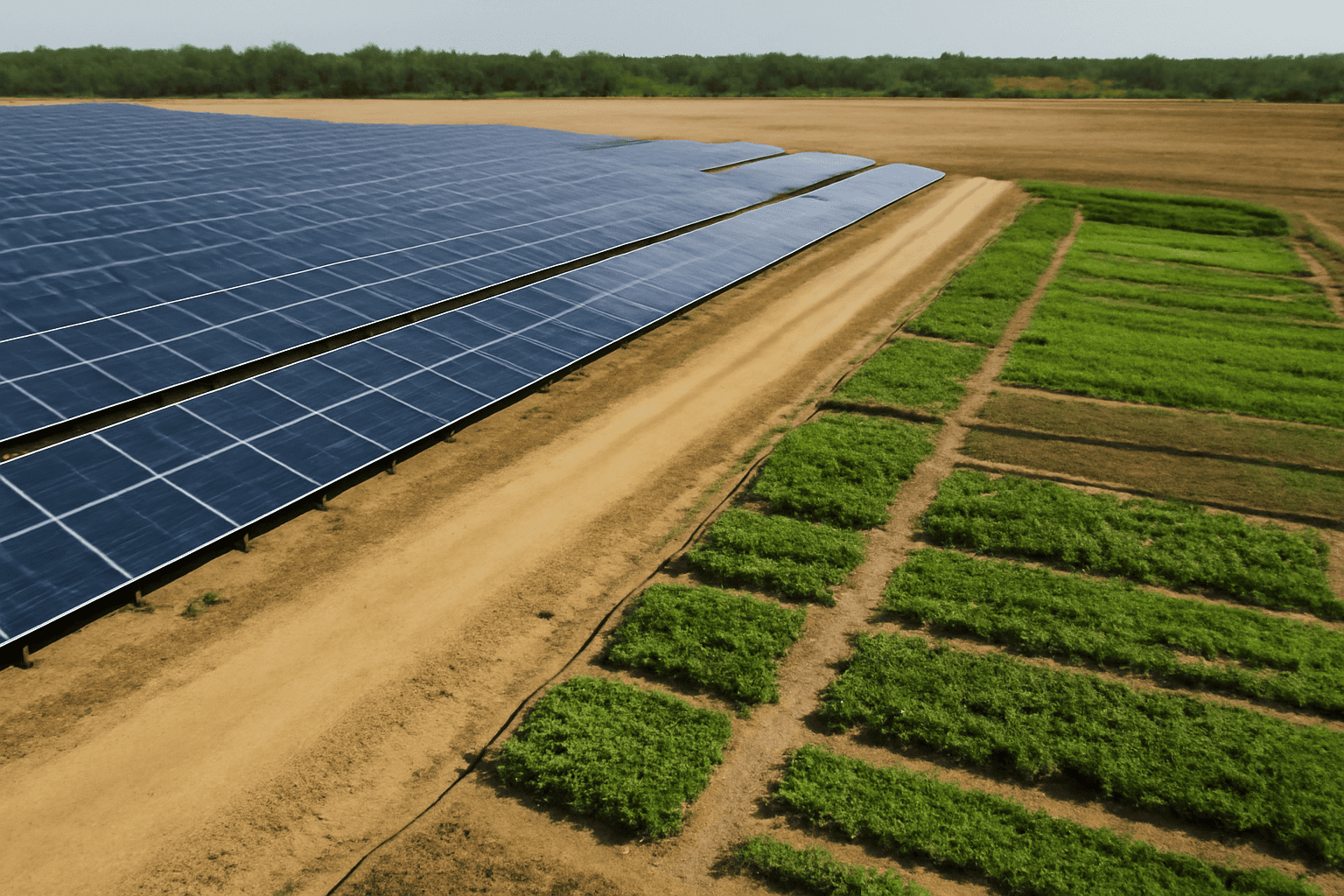
For platforms managing up to 3,000 garden parcels as in Solar Plus Garden’s framework, robust scalability and modular design enable syncing of community-driven solar assets with agrivoltaic operations, consolidating inventory for energy infrastructure and agricultural production assets within unified interfaces.
Mitigating Risks and Common Pitfalls in Solar Inventory Management
Inaccurate inventory records correlate with project cost overruns, with industry analyses demonstrating up to 25% higher budget impacts linked to reactive inventory corrections. Automated inventory tracking technologies—using integrated barcode and RFID systems—can reduce record-keeping errors by approximately 40%, improving schedule adherence.
Rapid solar technology evolution necessitates inventory turnover strategies that limit stockpiling of obsolete components. Close coordination with suppliers ensures timely stock refresh aligned with product upgrades, minimizing write-offs. Adoption of modular inverter systems facilitates component interchangeability, reducing risk exposure.
Manual, decentralized inventory control raises risks of part misplacement and duplicate orders. Standardized workflows combined with software-enforced authorizations and audit trails ensure regulatory compliance, traceability, and minimize human errors in inventory transactions.
Integrating Solar Inventory Management with Community and Agri-Voltaic Initiatives
Solar Plus Garden exemplifies integration of solar inventory management into community investment frameworks and agrivoltaic projects within a dual-entity legal structure. The Estonian OÜ manages solar infrastructure inventory following EU regulatory standards, while a separate Serbian DOO oversees management of up to 3,000 garden parcels under agrivoltaic cultivation.
This separation enables distinct inventory accounting and control practices: solar equipment inventory is subject to IEC and EU environmental compliance, whereas garden produce inventory operates under local agricultural logistics protocols. Payment and escrow mechanisms ensure funds flow transparently between entities, enforcing compliance with financial and operational governance.
Operational coordination balances inventory turnover rates between the longer lifecycle solar components (projected operational lifetime >25 years) and rapidly cycling agricultural produce (harvest and delivery frequency spanning weekly to monthly). This coordination reduces capital lockup and supports sustainable community engagement.
Häufig gestellte Fragen
What are the most critical inventory items solar companies need to manage effectively?
Photovoltaic panels, inverters, mounting and racking components, wiring compliant with solar-specific IEC standards, and battery storage systems are critical. Effective management requires controlling environmental storage conditions, tracking batch and serial numbers for warranty and compliance, and maintaining lifecycle documentation to avoid damage and installation delays.
How can solar inventory management software improve project timelines?
By providing real-time visibility into inventory levels, automating reorder points based on project phase needs, and integrating with procurement and project management systems, software reduces material shortages and overstocking. This synchronization enables materials to arrive just before installation phases, optimizing cash flow and reducing onsite clutter.
What inventory challenges are unique to solar projects compared to other industries?
Solar inventory involves high-value, fragile components with sensitivity to environment-controlled storage, stringent regulatory compliance (e.g., WEEE Directive), and fluctuating demand driven by project phase seasonality and weather conditions. These factors require specialized inventory tracking and control mechanisms tailored to renewable energy projects.
How does Solar Plus Garden incorporate inventory management within its community-driven model?
Solar Plus Garden separates management of solar infrastructure inventory under an Estonian OÜ entity and channels community membership fees into procurement financing, creating a transparent, regulated funding flow. This structure supports inventory control aligned with community investment while ensuring compliance with EU and Serbian regulations.
Abschluss
Inventory management for solar companies requires specialized software and workflows that reflect the specific characteristics of solar components, regulatory frameworks, and project timelines. Employing detailed tracking, environmental controls, and integrated automation optimizes inventory levels, reducing delays and carrying costs.
Aligning inventory management with community investment and agrivoltaic initiatives—as demonstrated by Solar Plus Garden—provides transparency and governance benefits, supporting sustainable renewable energy projects and community development.
Continuous evaluation of inventory challenges and technology advances is necessary to maintain operational efficiency, meet regulatory requirements, and support long-term renewable energy objectives amid evolving supply chain and technological landscapes.