









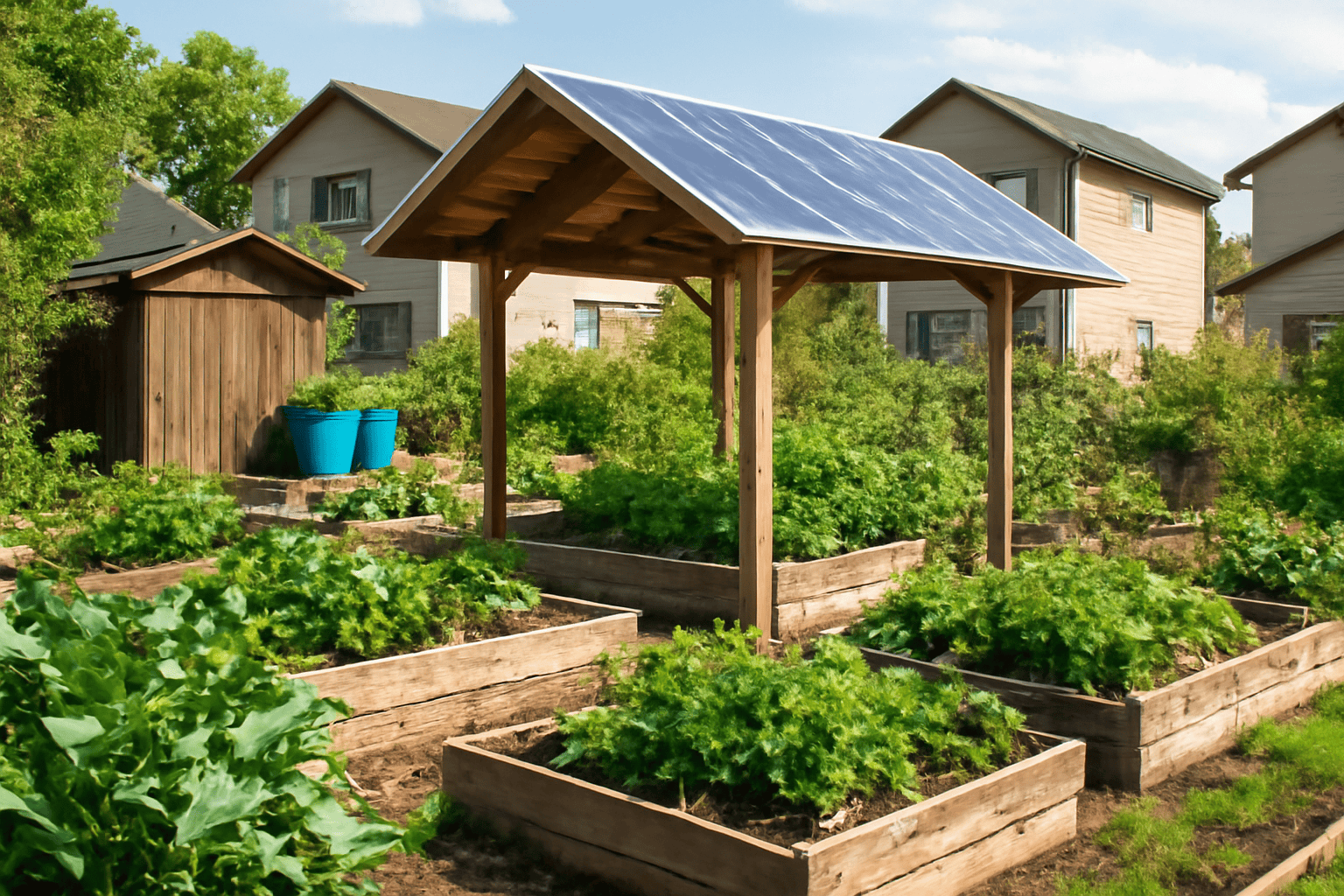
Passive Income for Beginners: How to Build Reliable Income Streams with Solar Plus Garden
Understanding Passive Income: Basics and Benefits for Beginners
Passive income is earnings received regularly with minimal ongoing effort after an initial investment of time, money, or resources. Unlike active income that depends on continuous work—such as salaried employment, freelance projects, or daily business operations—passive income streams generate revenue independently of daily input.
Common types of passive income include rental income from property, dividends from stocks, royalty payments, and investment income from business ventures. Each represents a passive income source with distinct characteristics regarding risk, liquidity, tax treatment, and required management.
Benefits of passive income for beginners encompass:
- Cash flow stability: Income streams supplement active earnings and can provide extra income to cover variable expenses or support long-term financial goals.
- Diversification of income sources: Engagement with multiple passive income ideas reduces dependency on single income sources and mitigates financial risks.
- Potential tax advantages: Depending on jurisdiction, investment income may benefit from preferential tax regimes or deductions, differing from taxation on active employment income.
Solar energy investment falls under a type of investment income that combines financial returns with environmental benefits. This passive income business model utilizes technology standards such as IEC 61215 for photovoltaic module quality and IEC 61730 for safety compliance, ensuring robust asset performance and predictable income streams. For beginners, integrating solar-based income streams diversifies income sources, contributing to a resilient portfolio with transparent, regulated structures.
How Solar Energy Investments Create Passive Income Streams
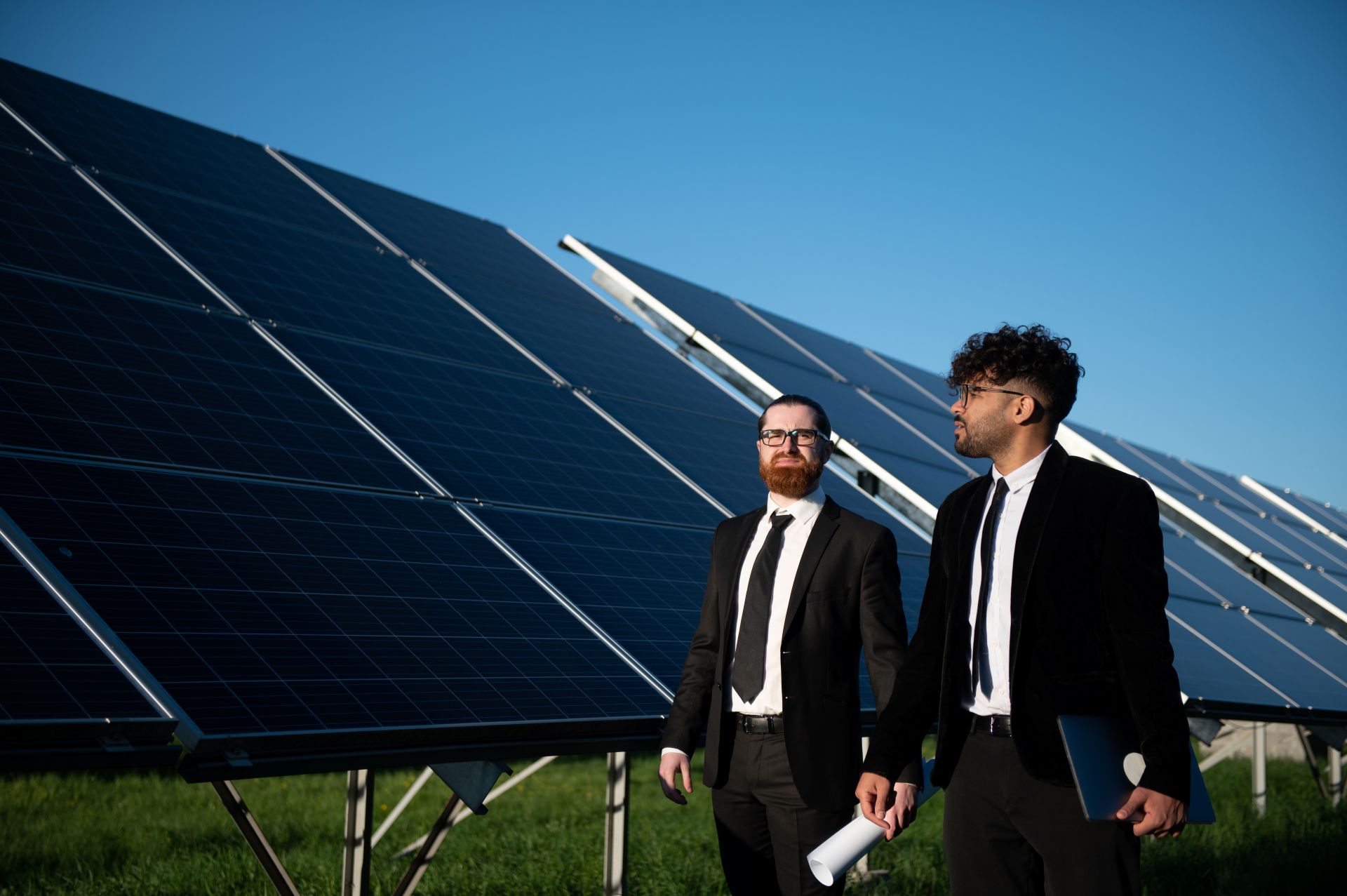
Solar Plus Garden structures its 10 MW solar plant investment to deliver passive income streams via electricity generation and community engagement. The plant’s electricity output is sold under regulated power purchase agreements (PPAs) or feed-in tariffs established by regional regulatory authorities, providing predictable cash flow over contract durations typically spanning 15-20 years.
There are two primary investor pathways within this model:
- Equity Share: Investors acquire ownership proportional to their capital contribution, receiving dividends based on net operating profits after expenses, taxes, and maintenance costs. This method aligns returns directly with plant performance.
- Guaranteed Payout: An alternative offering fixed periodic payments based on contractual commitments irrespective of operational variability, reducing exposure to market price fluctuations and providing scheduled income.
Garden membership fees supplement capital raised through equity and debt instruments. The €200 one-time membership fee, along with optional monthly payments, finances both solar infrastructure and community projects, merging passive income sources from energy sales with participation in agrivoltaics-driven regenerative agriculture.
Funds flow through a legally mandated escrow mechanism adhering to anti-fraud controls and investor protection standards aligned with EU financial directives, ensuring capital allocation and income distribution follow transparent, scheduled sequences. This structure mitigates fraud and financial mismanagement risks commonly associated with passive income business ventures lacking regulatory oversight.
Exploring the Garden Membership Model: Access Without Direct Solar Investment
The Garden membership model enables individuals to engage in passive income strategies related to solar without acquiring direct solar equity. By paying a €200 initial membership fee, plus an optional €20 monthly fee for the Garden box subscription, members contribute to solar funding and access community benefits without direct exposure to solar plant operational risks.
Membership fees are reinvested into solar projects, generating investment income that supports ongoing community activities such as organic farming, educational events, and maintenance of the agrivoltaic system.
Community benefits include:
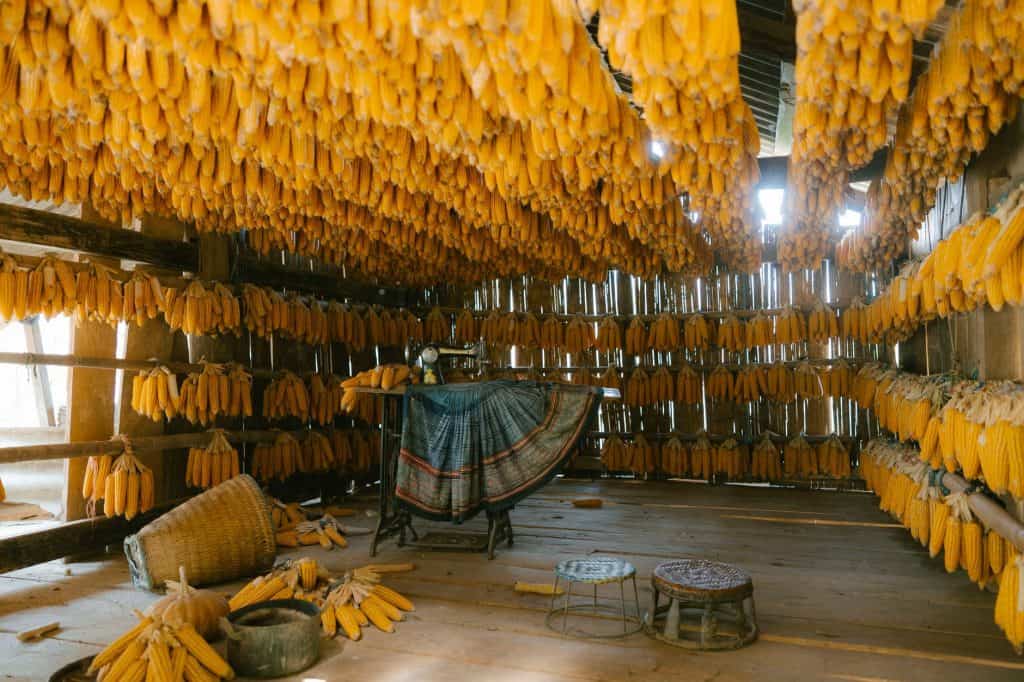
- Delivery of up to 18 annual shipments of fresh, local produce through the Garden box subscription, promoting food security and health.
- Participation in an agrivoltaic system compliant with agronomic standards balancing crop yield with solar panel positioning to optimize land-use efficiency.
- Engagement in governance and community activities funded indirectly through solar project revenues.
The Garden operates under a distinct legal entity separate from the Serbian DOO owning the solar plant. Governance frameworks comply with Estonian and Serbian corporate and financial regulations, supported by a defined payment and escrow model that enforces fund custody limitations. This legal separation limits liability exposure and clarifies financial flows across structures.
The Garden supports a scalable membership base of up to 3,000 parcels, maintaining tight administrative controls to prevent misuse of membership fees, enabling members to benefit from shared passive income streams generated by solar investments while enjoying tangible agricultural products.
Comparing Passive Income Sources: Solar Energy Versus Traditional Models
Solar energy investments represent an increasingly viable type of passive income compared to traditional models like rental income or stock dividends. Key considerations include:
- Risk profiles: Solar investments involve regulatory risk from energy policy changes, operational risks related to panel degradation (typically 0.5% to 1% annual efficiency loss), and market risks from fluctuations in renewable energy certificate prices. Rental income involves tenant default risk, property maintenance costs, and real estate market volatility.
- Cash flow timelines: Solar projects following standard PPAs yield returns according to multi-year revenue schedules bound by contract terms (usually 15-25 years). Rental properties deliver monthly income, dependent on occupancy and lease terms, with variable upfront capital investment.
- Tax treatments: Solar investment income classifications vary by jurisdiction but commonly are subject to investment income tax regimes distinct from rental income, which may be burdened by property tax, depreciation considerations, and more complex filing requirements.
Investors should evaluate these dimensions relative to their risk tolerance, liquidity needs, and financial goals when selecting passive income strategies. Solar investments, integrated with regulated frameworks and clear escrowed payment flows, provide a passive income source notable for stable long-term cash flows and environmental impact alignment.
Step-by-Step Guide: How Beginners Can Start Earning Passive Income with Solar Plus Garden
To engage with Solar Plus Garden and create passive income streams, beginners can follow these steps:
- Join the investor waiting list: Submit contact information via the Solar Plus Garden platform to receive personalized invitations and project updates aligned with phased rollouts.
- Complete KYC/KYB verifications: Fulfill anti-money laundering and know-your-customer/business checks complying with EU and Serbian financial regulations, enabling secure participant onboarding.
- Select an investment path: Opt for equity participation entitling ownership rights and profit-sharing or choose a guaranteed payout schedule to make passive income with defined payment intervals.
- Understand Garden membership rules: Review fee structures, payment schedules, governance participation opportunities, and community guidelines available through the platform’s documentation.
- Monitor investment performance: Utilize the online dashboard for real-time tracking of energy production metrics, income distributions, and community activity reports to maintain transparency and informed engagement.
The investment timeline initiates following official incorporation of Solar Plus Garden’s Estonian OÜ on 20.02.2026, followed by phased construction and commissioning. This schedule aids investors in setting realistic expectations for income stream realization.
Addressing Common Challenges: Risks and Misconceptions of Passive Income in Solar Investing
Solar investment as a passive income idea requires attention to specific risks and operational factors:
- Regulatory shifts: Changes in feed-in tariffs or renewable energy incentives can materially affect profitability. Investors should monitor policy environments in Estonia and Serbia, where the project’s regulatory compliance is anchored.
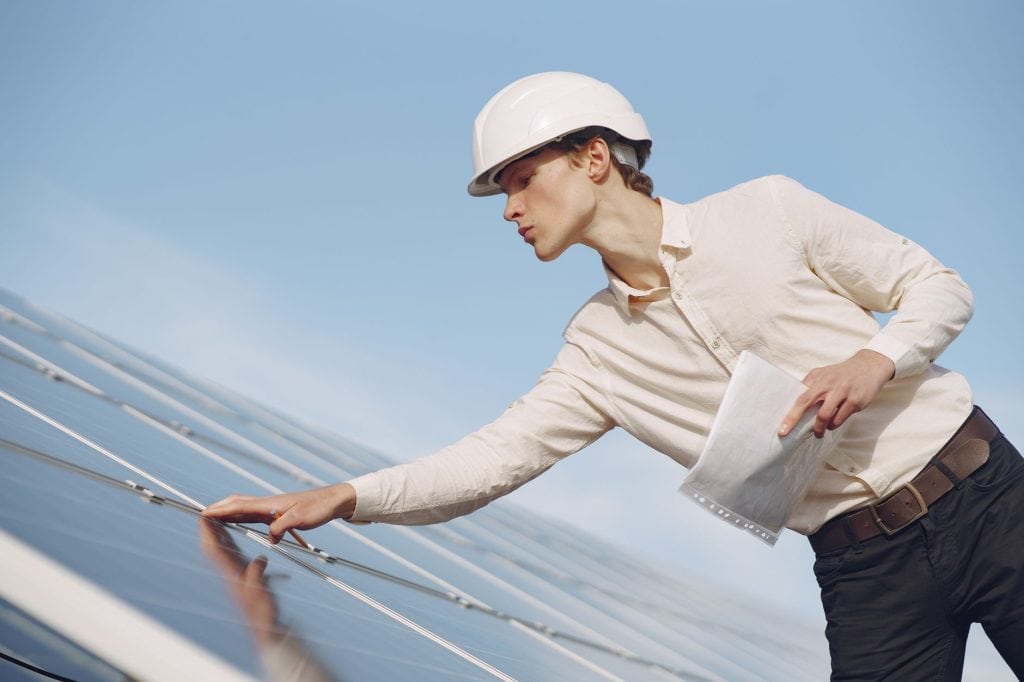
- Technical maintenance: Regular preventive maintenance of PV modules and inverters, typically annually or bi-annually, ensures system reliability. Failure to maintain can degrade energy yield, directly impacting income streams.
- Market volatility: Fluctuations in electricity spot prices and renewable energy certificate markets influence variable income components under certain revenue models.
Misunderstandings sometimes arise regarding immediate returns or guaranteed profits. Solar Plus Garden enforces strict red lines, including prohibiting investor onboarding before full legal clarity and requiring escrow control to prevent fund disbursement without appropriate authorization. These measures enforce a high standard of governance, aligning investor expectations with realistic passive income generation timelines and risk exposure.
Innovative Passive Income Strategies: Integrating Agrivoltaics and Community Engagement
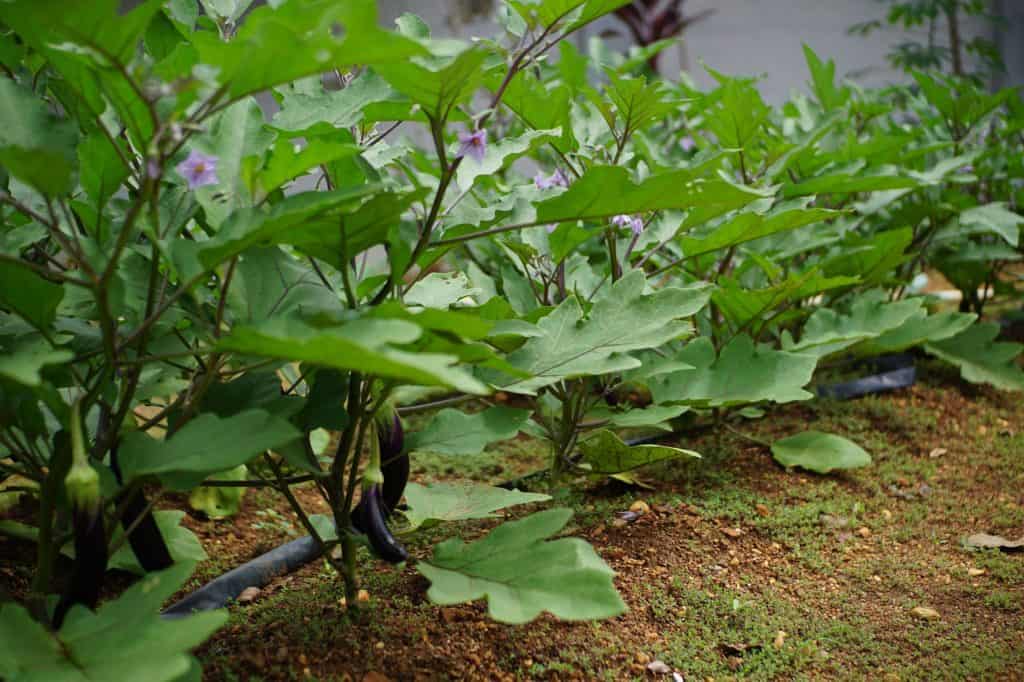
Solar Plus Garden’s integration of agrivoltaics optimizes land use by co-locating solar panels with organic farming, in compliance with agronomic planning standards to maintain crop productivity while harvesting solar energy.
The Garden box subscription offers 18 annual deliveries of fresh produce at €20 per month, blending traditional passive income streams with tangible consumption assets. This hybrid provides income diversification by combining financial returns from solar investment with real product benefits, expanding passive income ideas to help investors tap into both monetary and lifestyle advantages.
Community-driven sustainability efforts rely on solar investment income to fund regenerative agricultural practices, educational programming, and ecological improvement projects. This expands the passive income source beyond financial returns to include social and environmental impact participation.
Scalability plans target up to 3,000 garden plots, ensuring platform growth without compromising governance or quality, enabling a replicable passive income business model that ties technology, agriculture, and community engagement.
Frequently Asked Questions
Payback timelines depend on feed-in tariff regimes and power purchase agreements secured for the solar plant, typically unfolding over 15 to 25 years aligned with contract terms. Solar Plus Garden provides structured investment phases with detailed projections communicated post-incorporation, allowing investors to plan income realization accordingly.
The €200 one-time membership fee and optional monthly Garden box subscriptions fund solar investment activities, generating investment income streams that finance community initiatives, agricultural production, and operational costs. While not direct solar equity, these fees enable members to benefit from the passive income framework indirectly through community engagement.
Taxation of passive income varies by jurisdiction. Investment income from solar projects is generally classified separately from rental income and may benefit from distinct tax treatment under local law. Investors should seek tailored advice from tax professionals to understand implications for their specific tax circumstances.
Yes, the Garden membership grants access to community benefits, agricultural produce, and participation rights independently of direct solar equity investment, supported by membership fees channeled into solar funding. This model allows broader community inclusion aligned with passive income ideas emphasizing accessibility.
Conclusion
Solar Plus Garden offers beginners a regulated, transparent, and scalable path to earn passive income by combining solar energy investment income with agrivoltaics-based community engagement. The model balances investment income generation with tangible environmental and social benefits.
Prospective investors should join the waiting list, fulfill compliance requirements, and select investment pathways matching their risk tolerance and income objectives. Monitoring evolving regulatory frameworks and maintaining diversified passive income strategies will be essential for long-term financial resilience.