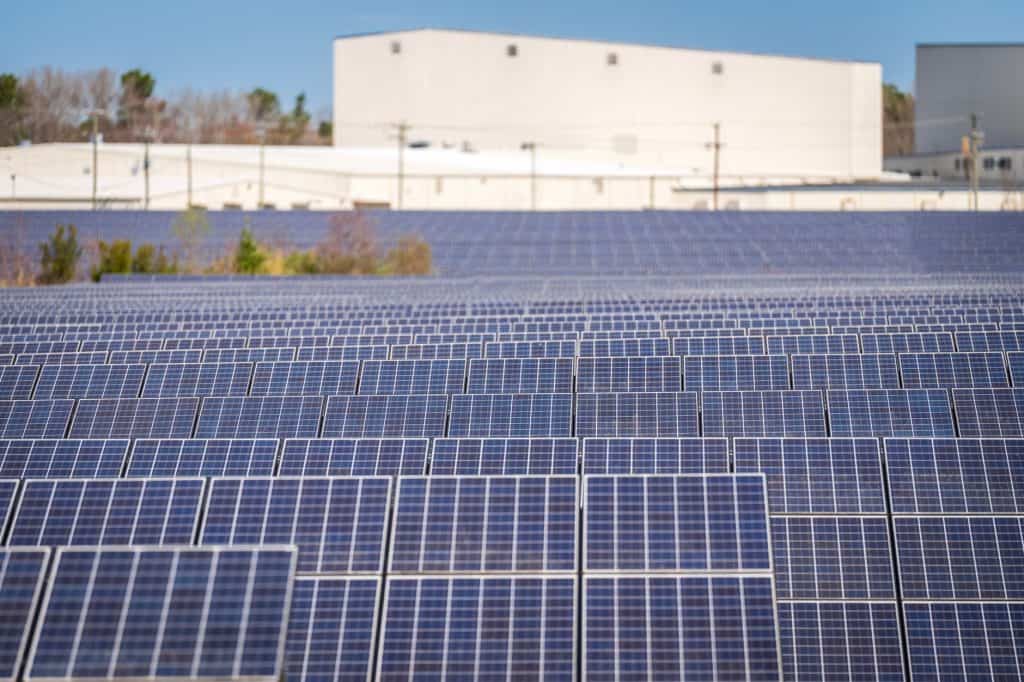











Understanding the Solar Investment Tax Credit: What Investors Need to Know in 2026
Overview of the Solar Investment Tax Credit (ITC) in 2026
The Solar Investment Tax Credit (ITC) is a federal solar energy tax credit that provides a dollar-for-dollar reduction in income tax liability for qualified solar energy investments. Designed to accelerate clean energy deployment, the ITC applies to both residential and commercial projects, offsetting up to 30% of eligible system costs for systems placed in service after January 1, 2023, per the Inflation Reduction Act (IRA) provisions. Under current IRS rules codified in Section 48 of the Internal Revenue Code, the base federal solar tax credit for 2026 remains at 30%, with potential adders increasing the credit to as much as 40%.
Additional tax credit adders include a 10% bonus for projects meeting domestic content thresholds—defined as at least 40% U.S.-made solar components—and a 10% credit for projects located in designated energy communities, such as former coal or fossil fuel employment areas, as specified by the Energy Communities designation under the IRA. These adders aim to incentivize regional economic development and domestic manufacturing within the solar industry supply chain.
The solar investment tax credit covers qualified photovoltaic (PV) solar panels, solar water heating systems, and now energy storage systems that are exclusively charged by solar electricity. This expansion reflects the 2023 amendments allowing standalone storage paired with solar to claim the ITC, with qualification requiring a metered system isolating solar charging. The ITC applies differently to residential and commercial solar projects, with commercial solar installations generally requiring compliance with additional IRS guidance regarding eligible costs and recapture requirements.
The ITC differs from the Production Tax Credit (PTC), an output-based incentive primarily applicable to wind and certain solar projects qualified under Section 45 of the IRS code. Unlike the ITC’s investment-focused structure, the PTC provides tax credits based on kilowatt-hour generation, which rarely covers energy storage. Manufacturing tax credits, such as those under Section 48C, target the production of solar components and are distinct from the energy investment tax focus of the solar ITC. Investors evaluating clean energy tax options should differentiate between these credits as they address different stages of the solar value chain.
Qualifying Requirements and ‘Placed in Service’ Rules for Claiming the ITC
To claim the solar investment tax credit, the solar system must be “placed in service” during the relevant tax year. The placed-in-service date corresponds to when the solar equipment is fully installed, operational, and ready to perform in accordance with its intended function. The IRS requires that the system is capable of generating electricity or heat at that date, not simply under partial testing or construction.
Qualifying costs eligible for the ITC include solar panels, inverters, mounting equipment, wiring, and labor costs directly associated with system installation. Energy storage components also qualify provided they meet the IRS requirement of being charged exclusively by a solar energy system, with no grid power or other sources involved. Project owners should maintain detailed invoices and installation certifications specifying these components separately to ensure accurate cost basis calculation.
The typical documentation process requires submission of IRS Form 5695 for residential taxpayers or the equivalent tax forms for commercial entities when claiming the credit. Supporting documentation includes final commissioning reports, supplier invoices, and receipts that confirm the installed date and component cost breakdown. Tax experts recommend retaining these documents for a minimum of three years post-filing to address potential IRS audits.
The ITC must be coordinated with other incentives such as state-level rebates or federal grants. When an investor receives third-party assistance, the federal solar tax credit must be calculated on the net cost after all rebates, according to IRS Notice 2018-59. Failure to adjust the basis downward results in credit recapture risks. Therefore, careful tax planning is essential to maximize tax savings while complying with stacking rules and avoiding double-dipping disallowed under clean energy tax incentive policies.
Calculating Tax Savings and Impact on Commercial Solar Installations
Commercial solar installations typically involve significant upfront capital expenditures, and the solar investment tax credit materially improves project financial viability by offsetting these costs. The ITC applies to the total qualified investment basis, which includes solar modules, inverters, racking systems, electrical infrastructure, and eligible energy storage components charged solely by the solar array.
The base federal solar tax credit for commercial installations in 2026 is 30%. Projects can qualify for an additional 10% add-on if located within IRS-designated energy communities, such as brownfield sites or economically distressed regions affected by fossil fuel industry downsizing. A domestic content adder contributes an additional 10% if solar components meet the 40% U.S. content threshold as outlined in the Inflation Reduction Act. For low-income community projects, further tailored incentives may apply, subject to specific IRS provisions and local program participation.
The IRS enforces a five-year recapture rule on commercial tax credits. If the system ownership changes or the system ceases operation before five full years elapse, the claimants must repay a pro rata fraction of the tax credit. This fraction decreases by 20% each year: 80% must be retained in year one, 60% in year two, and so forth, until full retention after five years. This rule ensures that the investment tax credit serves its intended purpose of promoting long-term renewable energy deployment.
Solar Plus Garden’s 10 MW centralized solar plant qualifies as a commercial solar installation, enabling investors participating via the Estonian OÜ legal entity to claim the commercial tax credit. This structure aligns with regulatory compliance, separating ownership and ensuring clear tracking of qualifying project costs and adherence to recapture rules. Investors benefit from predictable tax savings framing while supporting a scalable clean energy asset spanning community engagement and sustainable development.
Integrating the Solar Investment Tax Credit with Community-Based Solar Plus Garden Memberships
Solar Plus Garden’s investment model operates two legally distinct entities: the Serbian DOO which owns and manages the solar power plant, and the separate Garden community entity managing agrivoltaic gardens and member interactions. This separation ensures that only direct investors in the solar generating assets are eligible to claim the solar investment tax credit.
The Garden community membership requires a one-time fee of €200, with an optional €20 monthly subscription for garden produce boxes. These payments fund community activities and support solar project financing indirectly but do not represent an equity investment or enable tax credit claims. Members wishing to claim the federal solar tax credit must separately invest directly into the solar project’s equity or debt instruments under the Estonian OÜ.
The payment and escrow arrangement is fully transparent, incorporating regulated escrow accounts to ensure that investors’ funds are applied exclusively to qualifying solar investments and community management without commingling. This legal and financial clarity prevents unintentional ineligibility or misuse of investment tax credits and supports long-term scalability of integrated solar plus garden community models.
Impact of Energy Storage and Emerging Technologies on the 2026 Solar Investment Tax Credit
The Inflation Reduction Act expanded the definition of qualified solar energy property to include energy storage systems that are charged exclusively by solar energy. Under IRS Section 48 guidance, battery storage systems integrated with solar installations qualify if the system’s charge sources are isolated from the grid or other generation. This eligibility applies to standalone storage paired with solar and hybrid agrivoltaic projects combining agriculture and solar PV on shared land.
Qualification of energy storage requires metering or monitoring demonstrating that the storage device receives no more than 0% grid power, ensuring compliance with energy tax law. Capacity limits and commissioning timelines must coincide with the paired solar system’s placed-in-service year. As regulatory guidelines mature, technical standards for hybrid and agrivoltaic systems are expected to clarify further, potentially broadening qualification criteria for clean energy tax incentives.
Solar Plus Garden’s model incorporates agrivoltaics, where solar arrays coexist with productive gardens on the same parcels, positioning its energy investment tax credits to capture benefits from these evolving clean energy technology frameworks. As the sector advances, investors may increasingly leverage multi-technology solar-plus-storage projects within the federal solar tax credit program to maximize tax savings and energy resilience.
Guidance on Claiming the Solar Investment Tax Credit: Steps and Best Practices
Claiming the solar investment tax credit involves several definitive steps to ensure full compliance and maximize tax savings. Investors should sequence the process as follows:
- Confirm the installation and commissioning date of the solar or hybrid system to establish the ‘placed in service’ date within the tax year.
- Collect and retain all installation documentation, including final inspection reports, equipment invoices, and certification of compliance with IRS definitions of qualified renewable energy components.
- File the appropriate IRS tax forms: IRS Form 5695 for residential investments or corresponding schedules for commercial tax filings reflecting the ITC claim.
- Coordinate with tax experts specialized in renewable energy tax incentives to verify eligibility for base credit and any applicable bonus adders such as domestic content or energy community location.
- Maintain transparent and accessible records for at least three years in anticipation of IRS audits or inquiries.
- Monitor interactions between the ITC and other state or federal incentives to ensure accurate calculation of the net credit without violating IRS cost basis adjustments.
Adhering to these steps minimizes risk of credit denial or recapture and optimizes tax savings over the investment horizon. Commercial solar installations benefit from comprehensive tax advisory services to manage the complexities of additional tax adders and recapture regulations.
Additional Tax Incentives and Credits Complementing the Solar Investment Tax Credit
Investors can access manufacturing tax credits that complement the solar investment tax credit by reducing taxes on domestic production of solar panels, inverters, and related components. These credits, established under Section 48C and expanded in the IRA, promote growth in the U.S. solar supply chain by incentivizing eligible clean energy manufacturers.
State-level clean energy incentives, ranging from direct cash rebates to performance-based adders and net metering enhancements, further reduce the effective cost of solar energy projects. Tax experts recommend comprehensive evaluation of these layered incentives to optimize overall tax savings and project economics.
The combined effect of the federal solar tax credit, manufacturing tax credits, and state incentives can significantly improve project payback periods and returns on investment. However, investors must remain vigilant to legislative sunset provisions and eligibility rule changes, as some tax credits phase down after calendar year 2026 per current law.
Risks and Limitations Associated with Claiming the Solar Investment Tax Credit
The primary risk in claiming the solar investment tax credit is IRS recapture if the solar system is sold, disposed of, or ceases operation within five years after its placed-in-service date. The recapture schedule reduces liability by 20% annually, with complete retention of the credit after year five. Investors must incorporate this risk into financial models and ownership agreements.
The ITC is also limited by the taxpayer’s ability to offset income tax liability — the credit is non-refundable and non-transferable, meaning unused credits cannot be carried back or sold. Investors with insufficient taxable income in the claim year may lose potential tax savings unless structured with mechanisms like tax equity partnerships.
Documentary compliance is critical. Incomplete or inaccurate records of costs, installation dates, or energy source attribution can result in IRS disallowance of the credit. Regulatory uncertainties, including delays in IRS guidance clarifications or changes in the Inflation Reduction Act implementation, may affect eligibility timing and credit calculation.
Solar Plus Garden addresses these challenges through its transparent legal structure, using Estonian OÜ and Serbian DOO entities for clear delineation of ownership, escrow-backed payment processes, and adherence to comprehensive documentation standards. These measures reduce investor exposure to credit denial and recapture, supporting sustainable clean energy investment.
Frequently Asked Questions
Who is eligible to claim the Solar Investment Tax Credit in 2026?
Individuals and businesses that install qualified solar energy systems placed in service after January 1, 2023, including energy storage systems charged solely by solar energy, are eligible under 2026 IRS guidelines derived from the Inflation Reduction Act. The system must meet federal definitions of qualified renewable energy property as interpreted in Section 48 of the Internal Revenue Code.
How does the ‘placed in service’ date affect my ability to claim the ITC?
The ‘placed in service’ date determines the tax year for which the solar investment tax credit can be claimed. It is defined as the date on which the solar energy system is operational and capable of producing electricity or heat. Systems commissioned within the 2026 calendar year generally qualify for the 30% base credit plus any applicable additional tax adders.
Can Garden community members at Solar Plus Garden claim the solar tax credit without direct solar investment?
No. While Garden community membership supports project funding and provides access to delivered produce and community activities, only individuals or entities making direct equity or financing investments in the solar generating assets are eligible to claim the solar investment tax credit.
What are the risks if I sell my solar system within five years of installation regarding the ITC?
IRS recapture provisions require repayment of a portion of the previously claimed solar investment tax credit if the system is sold or ceases operation before completing five full years of service. The amount to be repaid decreases by 20% for each full year the system remains in service, culminating in full credit retention after five years.
Conclusion
Understanding the solar investment tax credit and its specific requirements for 2026 is essential for investors engaging in solar energy and renewable energy projects. Solar Plus Garden’s 10 MW commercial-scale installation aligns with federal commercial tax credit rules, offering investors a structured pathway to claim the ITC through direct solar investments. The integration of energy storage and emerging agrivoltaic applications widens eligibility under current regulations, while maintaining compliance with placed-in-service rules and recapture policies ensures tax savings durability.
Investors should engage tax experts early, maintain thorough documentation, and coordinate solar investments with associated clean energy tax incentives to optimize returns. Ongoing monitoring of legislative changes and compliance requirements is advised, as the federal solar tax credit framework evolves beyond 2026. Solar Plus Garden’s transparent legal structures and dual community participation model offer a replicable approach for sustainable solar energy investment with complementary community benefits.