









Integrating Solar into Virtual Power Plants: What Property Owners and Investors Need to Know
What Defines the Solar Part of a Virtual Power Plant (VPP)?
A virtual power plant (VPP) aggregates multiple decentralized energy resources into a single controllable entity. The solar part of VPPs consists of interconnected photovoltaic (PV) systems whose combined output is centrally managed for grid services and optimized energy generation. Unlike standalone solar arrays that operate independently, solar assets within a VPP communicate with a control platform to coordinate production, ensure grid compliance, and participate in demand response.
Solar Plus Garden’s pilot project employs a 10 MW solar plant integrated within its VPP framework. This plant acts as a core generation asset, complemented by distributed solar arrays and home batteries owned by community members. The aggregation smooths out variability by shifting solar production in response to forecasts and grid signals, supporting peak load reduction and renewable energy certification consolidation.
Solar capacity in a VPP is measured both physically and virtually, with output controlled through smart inverters that comply with grid codes such as EN 50438 and local interconnection standards. The central control optimizes the solar fleet for dispatchability rather than maximum instantaneous output, enhancing system reliability and investor value. This operational mode distinguishes the solar part of a VPP as an integrated asset class suited for participation in electricity markets and flexibility services.
Battery Storage’s Essential Role in Solar-Driven VPPs
Due to fluctuations in solar radiation during day and weather changes, pairing solar PV with energy storage is fundamental for providing firm, dispatchable power within VPPs. Battery energy storage systems (BESS) store excess solar generation during midday peaks for use in later periods, enabling load shifting and grid support.
Key grid services enabled by batteries in solar-driven VPPs include:
- Demand response: Batteries discharge stored energy during grid peak hours to reduce demand, helping grid operators maintain stability.
- Outage support: During a power outage, batteries can isolate a home or microgrid segment and supply essential loads for durations dependent on battery capacity.
- Energy arbitrage: Batteries charge when electricity prices are low (often midday solar peaks) and discharge when prices or demand are high, improving revenue streams.
Industry practice typically sizes battery capacity between 0.5 kWh and 1.0 kWh per kW of solar installed to balance cost and performance in VPP participation. For example, a 10 kW solar system paired with a 7.5 kWh lithium-ion battery offers sufficient storage for typical residential load shifting and grid service provision. Lithium-ion chemistry is preferred for its efficiency above 90%, cycle lives exceeding 3,000 full cycles, and modular scalability.
Integrated inverter controllers compatible with communication protocols like IEC 61850 mediate charging and discharging according to real-time data on solar generation, load consumption, energy prices, and grid directives. These advanced control systems are required for reliable aggregation and dispatch within VPPs.
Joining a VPP: What Solar Investors and Community Members Should Consider
To participate in a VPP, solar investors and community members must ensure that solar arrays and related assets are equipped with compatible smart inverters and communication interfaces supporting standardized protocols (e.g., OpenADR or IEC 61850). Additionally, assets must pass interconnection studies and comply with regional grid codes.
Solar Plus Garden’s community model allows non-investor participants to join the VPP ecosystem by paying a one-time €200 membership fee plus an optional monthly €20 subscription for fresh produce through the garden box service. These funds are pooled to finance the solar infrastructure and cover community operating costs, enabling access to renewable energy benefits without direct solar capital investment.
The procedural steps to join a VPP typically include:
- Technical assessment: Verify asset interoperability, install required metering, and ensure communication capability with the VPP control center.
- Registration and contractual agreement: Sign agreements outlining rights, obligations, and revenue sharing or membership terms.
- Grid connection authorization: Obtain approval from distribution system operators according to regional rules (e.g., EN 50438 compliance in the EU).
- Operational integration: Connect to the VPP platform, participate in dispatch schedules, and monitor asset performance via web or app interfaces.
The Solar Plus Garden project employs an Estonian OÜ legal entity to own and operate the solar plant and a separate Serbian DOO managing the garden community, ensuring clear regulatory separation and investor-ready transparency.
How the Solar Part of a VPP Enhances Grid Resilience During Power Outages
When solar PV systems are connected to home batteries within a VPP, they can transition to islanded operation during outages, maintaining critical load supply. Islanding requires fast-acting protective relays, inverter anti-islanding functionality compliant with standards such as UL 1741 or VDE-AR-N 4105, and coordinated controls across the distributed resources.
A 10 MW solar array with battery storage capacity sized at approximately 0.75 kWh per kW installed can sustain essential community loads for 2 to 6 hours depending on usage profiles and battery state-of-charge. This capacity supports medical equipment, communication infrastructure, and refrigerated food storage during grid interruptions.
Regulatory approvals for islanded operation vary by jurisdiction and necessitate coordination with grid operators to ensure safety and compliance. Integration complexity increases with asset heterogeneity, requiring sophisticated control systems capable of seamless mode switching and load prioritization. Ongoing research in standards development aims to address these interoperability and certification challenges.
Regulatory Landscape Impacting Solar Integration into VPPs in the EU and Western Balkans
The EU’s Clean Energy Package, including directives such as 2019/944 and 2019/943, fosters the participation of distributed energy resources like solar and batteries in electricity markets and flexibility services. Regulations emphasize consumer rights, transparent aggregators’ roles, and interoperability.
Interconnection requirements are governed by standards like EN 50438, which defines testing, protection, and communication protocols for distributed generation units in member states. Local standards such as Germany’s VDE-AR-N 4120 and Serbia’s grid codes specify connection conditions and control requirements for solar and battery systems.
Solar Plus Garden navigates these regulatory frameworks through its Estonian OÜ ownership, benefiting from Estonia’s advanced digital infrastructure and streamlined license procedures. The Serbian DOO manages garden-related activities under Serbian law, separating the agrivoltaic community operations from the solar asset ownership to ensure legal clarity and investor protection.
This regulatory compliance is fundamental to securing grid operator approvals, enabling participants to join a VPP with confidence in long-term operational stability and regulatory adherence.
Technical Components and Control Architecture Specific to Solar within VPPs
Effective solar integration in VPPs requires coordinated hardware and software components. Core elements include:
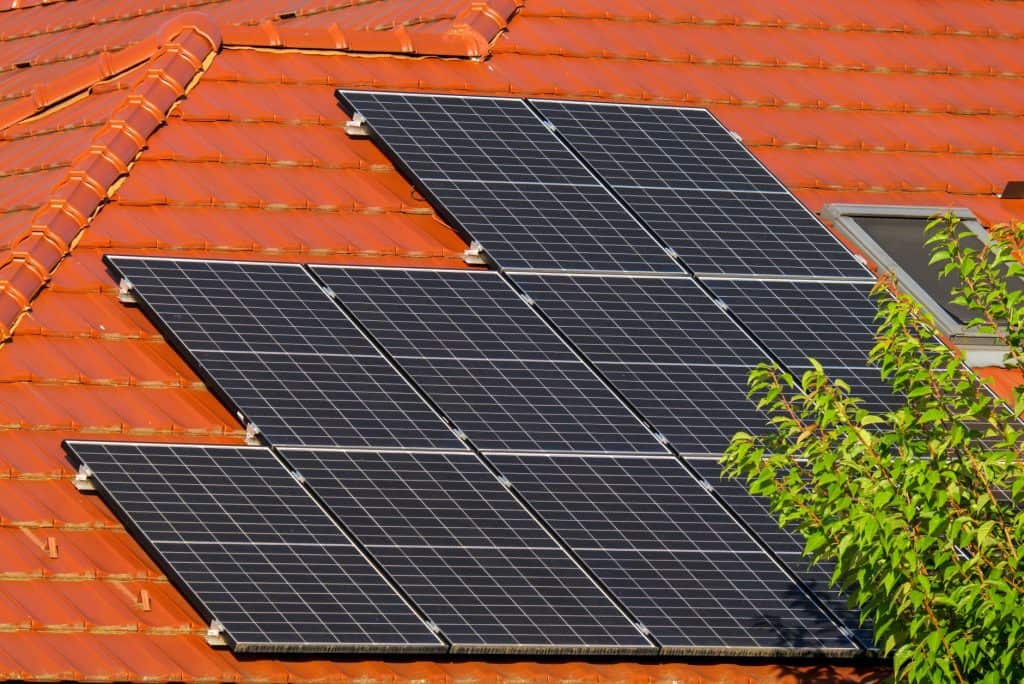
- PV modules: High-efficiency monocrystalline or bifacial panels with power outputs between 400 W and 600 W per unit, optimized for local irradiance profiles.
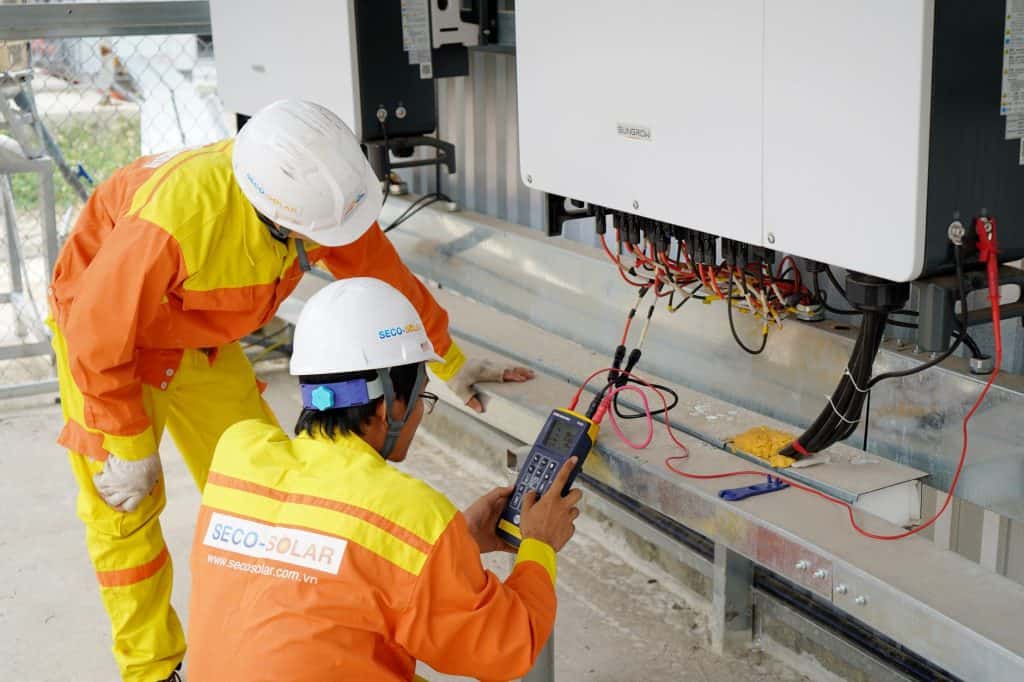
- Smart inverters: Devices capable of bidirectional communication and control, supporting voltage regulation, reactive power dispatch, and frequency response per grid code requirements.
- Battery storage: Lithium-ion battery systems sized relative to solar capacity, employing battery management systems (BMS) to ensure safety and longevity.
- Communication infrastructure: Gateways and routers implementing protocols such as IEC 61850 and MQTT, enabling real-time telemetry and supervisory control.
Control software within the VPP employs algorithms for solar forecast integration based on meteorological data, smoothing intermittent output by modulating inverter activity or coordinating with storage discharging strategies. Supervisory Control and Data Acquisition (SCADA) systems provide centralized monitoring for asset health, fault detection, and dispatch optimization.
The growing adoption of IEC 61850 supports interoperability across equipment vendors, ensuring seamless data exchange and control among heterogeneous resources. This standard also facilitates compliance with grid operator requirements and simplifies system expansion.
Financial Models for Investing in the Solar Segment of a VPP
Solar VPP investment models typically follow two pathways:
- Equity participation: Investors acquire ownership shares in the solar assets and receive dividends based on revenues from energy sales and grid flexibility services. Returns fluctuate with generation variability and market conditions but offer capital appreciation potential.
- Fixed-return schemes: Investors receive predefined payouts agreed upfront, reducing exposure to operational variability in exchange for capped returns.
Revenue streams include bulk electricity sales at wholesale market prices or feed-in tariffs, payments for ancillary services such as frequency regulation, and community membership fees that finance operational costs. Solar Plus Garden blends these by offering long-term equity investment options along with guaranteed payout phases in later stages to attract investors with different risk tolerances.
Factors affecting financial performance encompass weather-dependent solar irradiation levels, regulatory changes impacting tariff structures or market participation rules, and degradation rates of PV and battery components (typically 0.5% per year for panels, 2–3% per annum for battery capacity).
Investment minimums at Solar Plus Garden start from €500, opening access to small and medium investors. Transparent dividend policies and governance through the Estonian OÜ platform underpin investor confidence and compliance with both EU and local financial regulations.
FAQ
How does solar power contribute to a virtual power plant’s overall capacity?
Solar PV systems supply renewable energy aggregated with other resources within a VPP, increasing dispatched capacity for grid balancing and reducing reliance on fossil-fueled generation during peak demand periods.
Can I join a VPP without directly investing in solar panels?
Yes. Models such as Solar Plus Garden allow community members to join by paying membership fees. This allows participation in renewable energy benefits without owning physical solar assets or home batteries directly.
What happens to my solar power during a grid outage in a VPP setup?
If your solar installation is connected with a home battery and the VPP supports islanding, stored energy can provide backup power during grid outages. The duration depends on battery capacity, load demand, and system configuration.
What regulatory approvals are necessary to connect solar installations to a VPP?
Assets must comply with regional interconnection standards such as EN 50438 in the EU, plus local grid codes and technical requirements defined by distribution system operators. Approval processes include safety testing, communication protocol verification, and contractual agreements with grid operators.
Conclusion: For property owners, developers, and investors, understanding the solar part of a virtual power plant is critical when deciding to invest or join a VPP. The integration of solar with home batteries under regulatory frameworks, supported by control technologies and clear financial models, shapes the viability of participation. Prospective participants should assess technical readiness, legal compliance, and membership structures like Solar Plus Garden’s before committing. Regulatory shifts, battery technology advancements, and evolving community models will continue to impact the feasibility and benefits of joining a VPP.